Genres
Movie Overview & Analysis
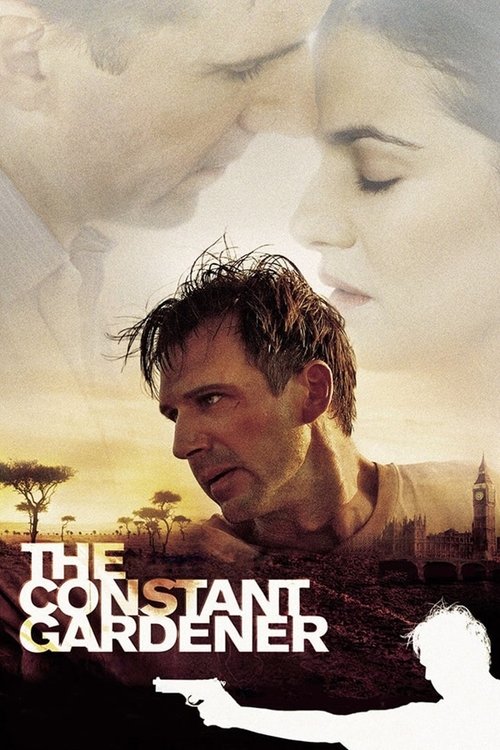
The Constant Gardener offers a gripping portrayal of love and betrayal amidst political intrigue. With a compelling storyline and strong performances, it draws you into a world of conspiracy that's hard to ignore.
An Engaging Exploration of Love and Truth
The Constant Gardener is a resonant film that tackles significant issues through a personal lens. While it has moments that could benefit from deeper exploration and pacing adjustments, it remains a strong piece that captivates with its heartfelt performances and striking visuals.
Film DNA
The scores indicate a film with a strong narrative depth and emotional weight, though its rewatchability and originality could be improved. The visual impact is solid, contributing to an overall engaging experience.
Pros
- Engaging performances, especially from Fiennes and Weisz
- Thoughtful exploration of serious themes
Cons
- Pacing issues disrupt emotional engagement
- Some characters feel underdeveloped
Ideal for Socially Conscious Viewers
This film will appeal to viewers who appreciate politically charged dramas and complex character studies. Those interested in stories that touch on social justice and humanitarian issues will find much to engage with. However, viewers looking for light-hearted entertainment or a fast-paced thriller might want to skip it, as the film demands patience and engagement with its slower, more introspective moments. Fans of strong performances and a blend of mystery and drama will likely enjoy this film.
A Diplomat's Dark Journey
The film follows Justin Quayle, played by Ralph Fiennes, a low-level British diplomat whose life is forever altered by the murder of his wife, Tessa (Rachel Weisz). Tessa was an outspoken activist, and her death propels Justin into a dangerous investigation that exposes a web of corruption surrounding the pharmaceutical industry in Africa. As he uncovers the truth behind her death, Justin faces moral dilemmas and personal transformations that challenge his previously quiet existence. The narrative unfolds against the backdrop of real historical events, particularly touching on the Rwandan genocide and the exploitation of vulnerable communities.
Strong Performances Shine
Ralph Fiennes delivers a solid performance as Justin Quayle, portraying a man caught between grief and the harsh realities of his wife's activism. Rachel Weisz, though her screen time is limited due to her character's fate, leaves a strong impact as Tessa, bringing passion and depth to her role. Danny Huston and Bill Nighy provide competent supporting performances, with Huston standing out as Tessa's colleague. While the cast is generally strong, some characters, like Sir Bernard Pellegrin played by Nighy, feel somewhat underdeveloped and could have added more to the narrative with deeper exploration.
A Visual and Thematic Blend
Directed by Fernando Meirelles, The Constant Gardener features a style that is both visually arresting and thematically appropriate. The cinematography captures the vibrancy and harshness of the African landscape, balancing sweeping shots with intimate moments that emphasize the emotional weight of the story. The editing complements the narrative's pacing, effectively weaving between past and present to build suspense. However, at times, the rapid cuts can detract from the emotional resonance, making some moments feel rushed rather than impactful.
Heartfelt and Thought-Provoking
Watching The Constant Gardener is an emotional experience, as it evokes a mix of sorrow, anger, and determination. The film's themes of love, betrayal, and systemic corruption resonate deeply, leaving a lingering sense of unease. The relationship between Justin and Tessa is both tender and tragic, highlighting the personal stakes behind political machinations. There are moments of tension and reflection that invite viewers to consider the broader implications of the story, yet some pacing issues occasionally disrupt the emotional flow, preventing it from reaching its full potential.
Watch if you liked: The Last King of Scotland, Blood Diamond



[…] if you liked: The Constant Gardener, Michael […]
[…] if you liked: The Constant Gardener, The Parallax […]
[…] if you liked: The Constant Gardener, The Imitation […]