Genres
Movie Overview & Analysis
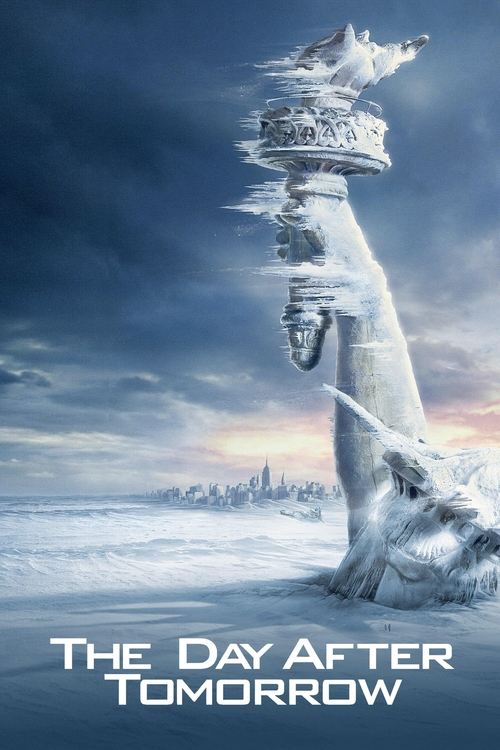
Roland Emmerich's 'The Day After Tomorrow' serves up a hefty serving of disaster with a side of climate commentary. While it boasts thrilling visuals and a star-studded cast, the film stumbles under its own weight and predictable clichés.
Not Quite the Impact It Aims For
While 'The Day After Tomorrow' has its share of entertaining disaster moments, it ultimately succumbs to predictable tropes and lacks a compelling narrative depth. Despite noteworthy visuals and a decent cast, the film doesn’t quite manage to balance its spectacle with character engagement.
Film DNA
The radar scores reflect a film that's visually engaging but lacks depth in storytelling and emotional resonance, making it enjoyable yet ultimately forgettable.
Pros
- Impressive visual effects
- Solid lead performance by Dennis Quaid
Cons
- Underdeveloped characters
- Heavy-handed climate messaging
Disaster Fans Rejoice
This film is likely to appeal to those who enjoy disaster flicks with a sprinkle of social commentary. If you're all about watching cities crumble and nature's fury unleashed, you'll find enjoyment here. However, if you prefer character-driven narratives or nuanced storytelling, this might not be your cup of tea. Audiences who are sensitive to climate change discussions might feel a mix of resonance and fatigue from its overt messaging, leading to a split in reception based on personal tastes. It's a film that might entertain, but also frustrate a discerning viewer.
A Stormy Climate Warning
The film follows paleoclimatologist Jack Hall, played by Dennis Quaid, who faces the negligence of UN officials as he tries to warn them about imminent climate disasters. Ignored, his fears become reality when a superstorm triggers catastrophic weather events worldwide. As chaos unfolds, Jack embarks on a desperate journey to New York City, hoping to reach his son Sam (Jake Gyllenhaal) and his friend Laura (Emmy Rossum) who are stuck amidst the turmoil. The movie is packed with action sequences and thrilling moments, but its heavy-handed message about climate change tends to overshadow the narrative's depth, leaving it feeling somewhat superficial.
Mixed Performances Amidst Chaos
The performances are a mixed bag. Quaid delivers a solid performance as the beleaguered father, but Gyllenhaal's character feels underdeveloped, often relegated to typical hero tropes without much nuance. Emmy Rossum holds her ground as Laura, but the supporting characters lack depth, making it hard to care about their fates. The overemphasis on spectacle often leads to a reduction in character development, leaving viewers wanting more from a potentially strong ensemble cast. In a film that aims to be about familial bonds and survival, the emotional connections often fall short.
Spectacle Over Substance
Emmerich's directing style is unmistakable, as he leans heavily into the spectacle of disaster. The visuals of the superstorm and the ensuing chaos are impressive, creating moments of genuine tension. However, the pacing suffers from extended sequences that drag, particularly in the second act, where political discussions and scientific explanations stall the adrenaline rush. The CGI effects are both a highlight and a distraction, serving to awe but also pulling viewers out of the film’s reality at times. A stronger focus on character-driven moments could have elevated the overall impact.
Thrills with a Side of Frustration
Watching 'The Day After Tomorrow' feels like a mix of excitement and frustration. The film delivers several thrilling sequences, but they often feel disconnected from the overarching narrative. The heavy-handed approach to its climate message can be off-putting, with dialogue that borders on preachy rather than engaging. Moments of boredom arise during the slower scenes, particularly when plot exposition takes over and moments of genuine emotional connection are sidelined. Instead of feeling a sense of urgency, viewers might find themselves checking the runtime, longing for the next big disaster to unfold.
Watch if you liked: The Day After Tomorrow, 2012
No comments yet. Be the first to share your thoughts!