Genres
Movie Overview & Analysis
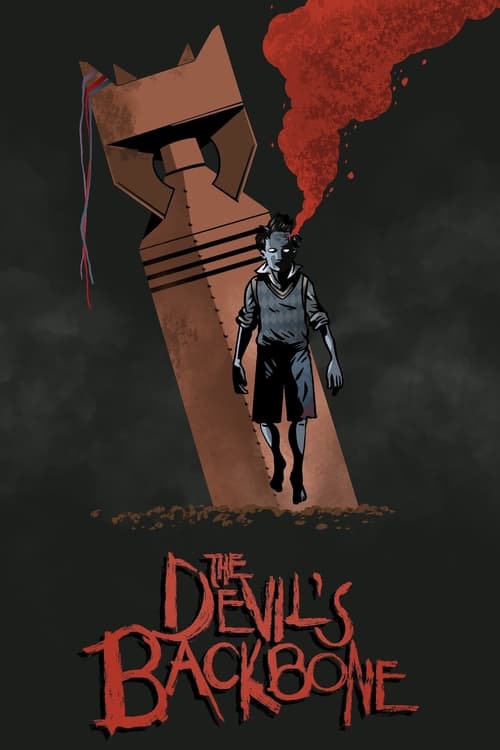
Guillermo del Toro's 'The Devil's Backbone' is an atmospheric blend of history and horror that effectively captures the gloom of a war-torn Spain. However, its slow pacing and occasional narrative missteps might not sit well with everyone.
Worth Your Time, With Reservations
'The Devil's Backbone' offers a visually rich exploration of grief and trauma set in a haunting historical context, though its pacing may alienate some viewers. Del Toro's craftsmanship shines through, but the film's uneven flow keeps it from being a complete triumph.
Film DNA
The scores reflect a strong thematic depth and original visual style but highlight issues with pacing and entertainment value, making it a film for specific tastes.
Pros
- Rich atmospheric visuals
- Strong thematic exploration of loss
Cons
- Slow pacing can test viewer patience
- Some characters feel underdeveloped
For Those Who Like It Slow
This film is ideal for those who appreciate atmospheric horror with a historical backdrop and are familiar with del Toro's unique storytelling style. Fans of gothic narratives will likely enjoy the film's eerie charm and themes of loss and revenge. However, viewers who crave fast-paced horror or character-driven narratives might find it tedious and frustrating. The film's slower tempo and moments of ambiguity may deter those who prefer their horror more straightforward and action-driven. If you enjoy films that prioritize mood over acceleration, this might just be for you.
A Haunted Spanish Orphanage
Set against the backdrop of the Spanish Civil War in 1939, 'The Devil's Backbone' introduces young Carlos, who arrives at the Santa Lucía orphanage seeking refuge. The orphanage is rife with secrets and a haunting presence that intertwines with the harsh realities of war. As Carlos navigates friendships and rivalries amongst the other boys, he uncovers the tragic history tied to the ghost of a child seeking revenge. The film masterfully combines personal, supernatural, and historical elements, creating a narrative that feels both intimate and expansive while exploring themes of loss, loyalty, and betrayal.
Performances That Capture Pain
The cast is led by Federico Luppi as Dr. Casares, who delivers a grounded yet poignant performance that anchors the film. Marisa Paredes as Carmen adds depth as the matron of the orphanage, though her character could have been fleshed out further. Eduardo Noriega portrays Jacinto with a palpable intensity, but his character often feels like a cartoonish villain rather than a real threat. The younger cast, including Fernando Tielve as Carlos, holds the emotional weight of the story, but some characters feel underdeveloped, leading to missed opportunities for more compelling interactions.
Atmospheric Yet Uneven
Guillermo del Toro's direction is inherently visual and atmospheric, as he deftly creates a haunting ambiance through the orphanage's decaying architecture and the eerie presence of the ghost. The muted color palette effectively conveys the somber mood, but the pacing sometimes drags, making the experience feel uneven. The cinematography juxtaposes light and shadow, complementing the film's themes, but some sequences feel overly long and could have benefited from tighter editing. Overall, while the visuals are striking, they occasionally come at the expense of pacing and narrative momentum.
A Slow Build to Emotion
Watching 'The Devil's Backbone' is a mixed bag; the slow build and haunting atmosphere create moments of genuine tension, but the pacing can lead to moments of boredom. The film's emotional impact hinges on its ability to connect with the audience, and while some scenes resonate deeply, others feel bloated or drawn out. The melancholy tone carries weight, yet there are times when the film seems more interested in atmosphere than story progression, which can frustrate viewers hoping for a more gripping narrative. Ultimately, while it offers poignant moments, the film's slower sections may test the patience of some viewers.
Watch if you liked: Pan's Labyrinth, The Others








No comments yet. Be the first to share your thoughts!