Genres
Movie Overview & Analysis
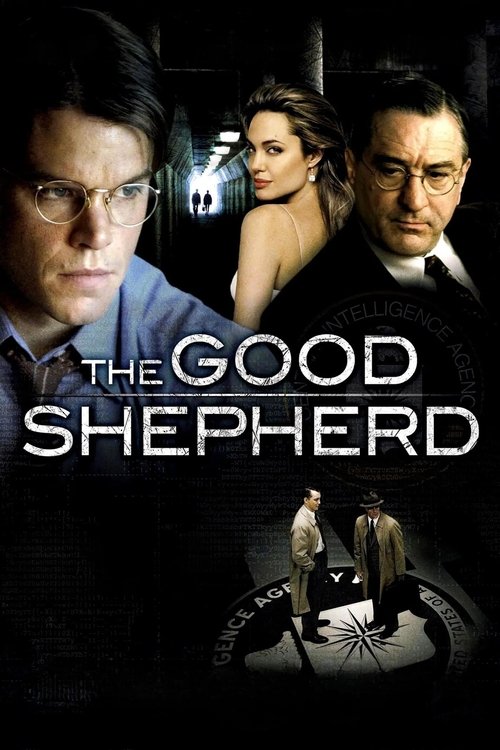
The Good Shepherd is a slow burn that attempts to unravel the complexities of espionage and loyalty but ultimately falls short of its ambitious goals. With a runtime of 167 minutes, it often feels like a slog through high-minded ideas without the payoff you'd hope for.
Not Quite What It Could Be
The Good Shepherd showcases moments of intrigue and potential but ultimately loses its way in a convoluted narrative and a slower-than-expected pace. While there are engaging performances and a well-crafted historical backdrop, the film ultimately feels like an overextended exercise in style over substance.
Film DNA
The scores suggest that while The Good Shepherd has some depth and visual appeal, its emotional weight and entertainment value are lacking, making it a tough film for many to revisit.
Pros
- Strong period setting and visuals
- Solid performances from the cast
Cons
- Overly long and slow pacing
- Character development feels lacking
For the Patient Viewer
This film may appeal to history buffs and those interested in the intricacies of espionage, but for the average viewer, it could be a tough sit. If you enjoy slow-paced dramas steeped in atmospheric tension, you might find value here. However, those seeking action or more straightforward storytelling might be left scratching their heads or changing the channel halfway through. Casual moviegoers looking for entertainment could easily be put off by its drawn-out narrative.
Espionage Through the Ages
The film centers around Edward Wilson, played by Matt Damon, who is drawn into the world of espionage through his connections with the OSS during World War II. As he climbs the ranks, the film chronicles his moral dilemmas and the sacrifices he makes, including the strain on his family life, particularly his relationship with his wife, played by Angelina Jolie. The narrative moves through various historical events, such as the Cold War and the Bay of Pigs invasion, as Wilson navigates treachery and loyalty in his pursuit of duty. Yet, the film often gets tangled in its own complexity, leaving viewers occasionally lost in the details.
Performances That Missed
Matt Damon delivers a competent performance as Edward Wilson, but his character often feels emotionally distant, making it hard for the audience to fully engage with his struggles. Angelina Jolie, despite her star power, is underutilized and has limited screen time, leaving us wanting more depth in her character. The supporting cast, including Robert De Niro and Alec Baldwin, provide solid performances but don’t have enough material to elevate the overall impact. If the characters had been better developed, perhaps the emotional stakes would have landed more effectively.
Slow Pacing, Rich Atmosphere
Robert De Niro's direction is meticulous, faithfully recreating the era's atmosphere with a muted color palette that reflects the somber themes. However, the pacing suffers greatly; the film moves at a snail's pace, leading to moments where the story feels unnecessarily drawn out. The editing could have been tighter, as some scenes linger for too long without adding value. While the cinematography captures the historical settings well, it sometimes feels like the visuals are trying too hard to convey significance, overshadowing the basic storytelling.
More Patience Than Payoff
Watching The Good Shepherd can often feel like an exercise in patience rather than an engaging cinematic experience. The film's deliberate pacing and complex narrative may leave viewers frustrated or bored, especially as it stretches just over two and a half hours. There are moments of potential emotional resonance, particularly in Wilson's family life, but these are overshadowed by lengthy dialogue and exposition. It frequently feels like the film is more interested in showcasing historical events than connecting with its audience on a human level.
Watch if you liked: Tinker Tailor Soldier Spy, Bridge of Spies






[…] if you liked: The Good Shepherd, The Talented Mr. […]
[…] if you liked: The Good Shepherd, The […]