Genres
Movie Overview & Analysis
Wes Anderson's 'The Grand Budapest Hotel' serves up a visually stunning experience that is as whimsical as it is disjointed. While the film brims with charm and eccentricity, it occasionally stumbles under the weight of its own quirks.
Charming But Chaotic
'The Grand Budapest Hotel' is a whimsical escape filled with visually stunning moments and a charismatic performance by Ralph Fiennes. While it dazzles with style and humor, the film's tendency to prioritize quirkiness over narrative cohesion can leave viewers feeling a bit lost in its elaborate world.
Film DNA
The film scores high on visual impact and originality, but its story depth and emotional weight hold it back from being truly engaging. Overall, it's an entertaining watch with some notable shortcomings.
Pros
- Stunning visual aesthetics
- Strong lead performance by Ralph Fiennes
Cons
- Pacing issues disrupt engagement
- Underutilized supporting characters
Eccentrics Welcome
This film will resonate with fans of quirky, offbeat comedies and those who appreciate a visually striking aesthetic. If you enjoy Anderson's previous works or films with an eccentric flair, this is right up your alley. However, viewers seeking a straightforward narrative or relatable characters may find it frustratingly whimsical and detached. Audiences who prefer substantial emotional arcs might leave feeling unsatisfied and confused by the film's odd tonal shifts.
A Hotel of Intrigue
Set in a fictional European country during the interwar period, 'The Grand Budapest Hotel' follows the exploits of M. Gustave, an eccentric concierge played by Ralph Fiennes, who forms a close bond with his young protégé, Zero. The plot thickens with the theft of a priceless painting and a battle for an enormous family fortune. As the twists unfold, the film reflects both the absurdity and tragedy of a continent on the brink of upheaval. It intertwines comedy and drama while introducing a colorful cast of characters, each contributing to the hotel’s storied legacy.
Charismatic Yet Underused
Ralph Fiennes shines as M. Gustave, delivering a performance that balances elegance and mischief. His comedic timing elevates many scenes, while newly introduced characters add depth to the story. However, some notable talents like Willem Dafoe and Jeff Goldblum seem underutilized, with their roles feeling more like quirky side notes rather than integral parts of the narrative. The ensemble cast, while largely effective, occasionally slips into caricature territory, which undermines character development in crucial moments.
A Feast for the Eyes
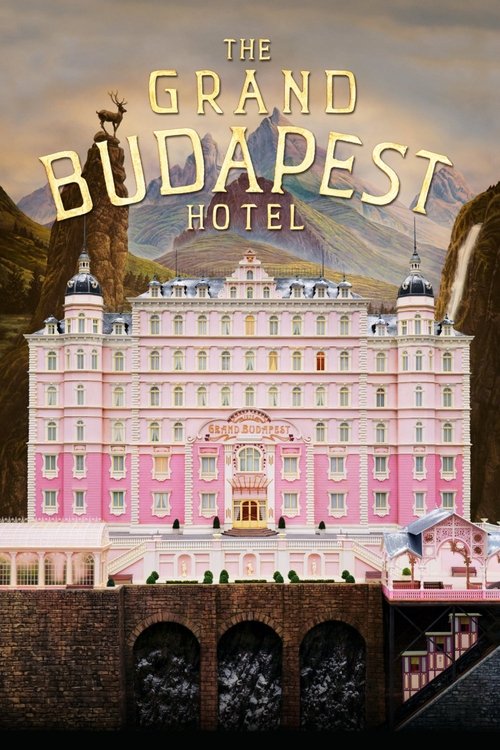
Wes Anderson's signature style is on full display here, with meticulously crafted sets and a vibrant color palette that offers a feast for the eyes. The symmetrical framing and whimsical production design create a storybook atmosphere that perfectly suits the narrative. However, the film occasionally prioritizes aesthetic over substance, leading to pacing issues that detract from emotional engagement. At times, the rapid transitions between scenes feel jarring, and the reliance on visual gags can overshadow the plot’s more serious themes.
Quirk Over Substance
Watching 'The Grand Budapest Hotel' is a bit like eating a beautifully decorated cake that’s light on the frosting—initially delightful, but ultimately lacking depth. There are moments of genuine warmth and humor, but they often give way to stretches of narrative meandering and overly stylized dialogue. The emotional stakes are notably high, but as the film progresses, the quirky absurdity sometimes prevents it from fully landing. You might find yourself admiring the craftsmanship while feeling disconnected from the characters’ journeys.
Watch if you liked: Moonrise Kingdom, The Royal Tenenbaums
No comments yet. Be the first to share your thoughts!