Genres
Movie Overview & Analysis
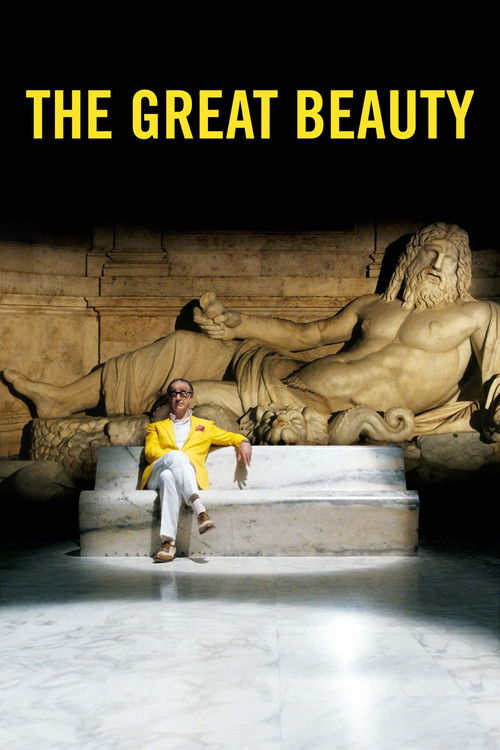
The Great Beauty offers a sprawling and contemplative look at life in Rome, but it’s hardly a quick-paced thrill. For a film that boasts about beauty, it often leaves you feeling like you’re stuck in a pretentious art gallery.
Beautiful, But Needs Focus
The Great Beauty offers an intriguing exploration of life's decadence and beauty but is marred by its uneven pacing and occasional lack of depth in character portrayals. While it has its moments of brilliance, it requires a certain mindset to truly appreciate—definitely worth a watch for the right audience, but not without its flaws.
Film DNA
The scores reflect a visually impressive film with depth, but it struggles with pacing and emotional engagement, making it a challenging watch for some.
Pros
- Stunning cinematography and visuals
- Strong lead performance by Toni Servillo
Cons
- Slow pacing leads to moments of boredom
- Supporting characters lack depth
For the Patient Art Lover
This film is best suited for viewers who appreciate slow cinema and are willing to engage with its philosophical musings. If you enjoy films that prioritize aesthetics and introspection over action and plot urgency, you may find value in The Great Beauty. However, those who prefer fast-paced narratives or character-driven stories will likely feel alienated by its leisurely pacing and self-indulgent style. It’s a film that invites deep thought, so if you’re looking for a lighthearted escape, look elsewhere.
A Journalist's Search for Meaning
At the heart of Paolo Sorrentino's The Great Beauty is Jep Gambardella, a journalist who has reveled in the decadent nightlife of Rome for decades. After turning 65, he begins to confront his past and the emptiness that accompanies his lavish lifestyle. This introspection pushes Jep to seek deeper meaning beyond the superficiality that defines his world, as he reflects on art, love, and beauty amidst the vibrant chaos of Roman high society. The film flows like a series of vignettes, showcasing the bizarre and extravagant characters populating Jep's life, which both enrich and complicate his search for significance.
Performances With Mixed Impact
Toni Servillo shines as Jep, delivering a performance that navigates a complex emotional landscape with poise and subtlety. However, many of the supporting characters, like Romano (Carlo Verdone) and Ramona (Sabrina Ferilli), feel more like caricatures than fully fleshed-out individuals. They provide comic relief and moments of connection but often lack depth, reducing their potential impact on the story. As a result, the film can sometimes feel like a string of shallow interactions rather than a cohesive exploration of relationships and their meanings.
Visuals That Dazzle and Drag
Sorrentino’s direction is visually striking, with each frame carefully composed to reflect the opulence of Rome and the beauty Jep seeks. The cinematography is lush and evocative, capturing the city's grandeur and its underbelly alike. However, the pacing can drag, especially in certain segments where visual flair overshadows narrative momentum. Some scenes linger on art and architecture a bit too long, risking viewer disconnection. The slow-burn style works for deep emotional moments but is often disrupted by meandering distractions that dilute the overall storyline.
A Mixed Bag of Emotions
Watching The Great Beauty can feel like an emotional rollercoaster, oscillating between profound reflections and moments of utter boredom. The exploration of existential themes does resonate at times, yet the meandering narrative can leave you feeling lost. Jep’s journey is highlighted by bursts of humor and poignant realizations, but the pacing can test your patience, especially in the film's quieter moments. While certain sequences are visually stunning, others seem indulgent, leading to frustration when you're yearning for a tighter narrative.
Watch if you liked: The Dreamers, Call Me by Your Name


No comments yet. Be the first to share your thoughts!