Genres
Movie Overview & Analysis
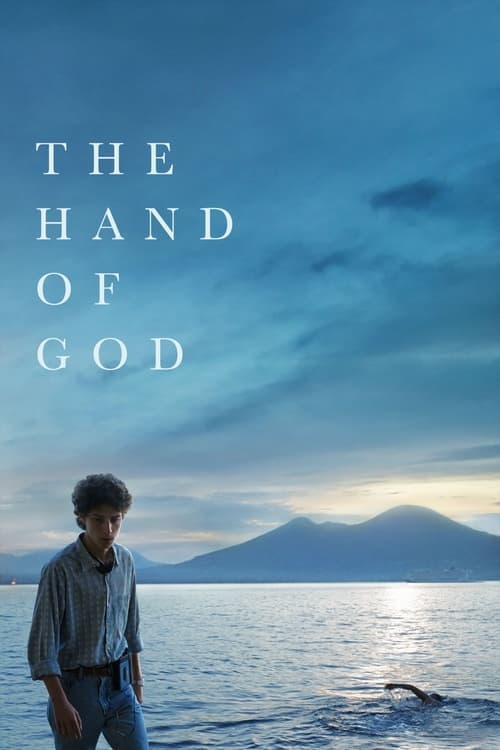
The Hand of God offers a glimpse into the bittersweet awkwardness of adolescence, all set against the backdrop of 1980s Naples. With Paolo Sorrentino at the helm, this semi-autobiographical film has its moments of brilliance, yet stumbles in pacing and emotional depth.
Engaging but Flawed Journey
The Hand of God presents an engaging if flawed exploration of youth and the complexities of growing up. While it showcases strong performances and beautiful visuals, the pacing and character development issues keep it from reaching its full potential.
Film DNA
The scores reflect a film with solid visuals and an interesting premise but hindered by pacing and emotional depth issues. Overall, it offers a decent viewing experience without being a standout.
Pros
- Rich visual storytelling
- Strong lead performances
Cons
- Pacing issues disrupt flow
- Underdeveloped supporting characters
For the Patient Viewer
This film will likely resonate with viewers who appreciate coming-of-age stories and are fans of Sorrentino's previous work. If you enjoy slow-paced dramas that focus on character development and personal growth, you might find something to appreciate here. However, those looking for a tightly woven narrative or fast-paced action may find this film frustratingly slow and meandering. It’s not for everyone, especially for audiences who prefer more conventional storytelling.
A Teen's Life in Naples
The film centers around Fabietto Schisa, a young man navigating the complexities of adolescence in Naples during the 1980s. After narrowly escaping a freak accident, he becomes infatuated with the world of football, particularly the legendary Diego Maradona. As Fabietto deals with family dynamics, personal loss, and the sometimes messy nature of love, he learns about heartache and liberation. The backdrop of Naples serves both as a vibrant setting and a character in its own right, reflecting the joys and struggles of the era. Despite its potential, the narrative sometimes feels disjointed and fails to fully explore the richness of its themes.
Strong Leads, Weak Supporting Cast
Filippo Scotti delivers a commendable performance as Fabietto, capturing the character's awkwardness and vulnerability. Toni Servillo shines as Saverio, Fabietto's uncle, adding depth to the family dynamics. However, some supporting characters, like Maria Schisa (Teresa Saponangelo), feel underdeveloped, leaving the viewer wanting more insight into their roles. The film dips into melodrama, yet the emotional arcs of several characters lack sufficient exploration, which detracts from their potential impact. This uneven character development makes it difficult for viewers to fully invest in their journeys.
Visually Striking, Pacing Issues
Sorrentino's direction is visually rich, with Naples beautifully captured through vibrant colors and striking compositions. The cinematography enhances the nostalgic tone, immersing the audience in the cultural nuances of the time. However, the film's pacing feels erratic; moments of poignant reflection are often interrupted by abrupt transitions that leave the narrative feeling uneven. While the visuals are consistently engaging, a tighter editing approach could have helped maintain a more coherent flow, allowing the audience to savor the emotional moments rather than feel rushed through them.
Bittersweet Yet Uneven
Watching The Hand of God feels like a mixed bag of emotional highs and lows. The film does have its touching moments, particularly when addressing themes of family and loss. However, the pacing issues often lead to stretches of boredom, with scenes that seem to linger longer than necessary. The juxtaposition of lightheartedness against deeper themes also creates an emotional whiplash that can be jarring. Ultimately, while there are moments that tug at the heartstrings, the film struggles to maintain a consistent emotional rhythm.
Watch if you liked: I Feel Fine., Happiness Costs Nothing
No comments yet. Be the first to share your thoughts!