Genres
Movie Overview & Analysis
Lars von Trier's latest outing is a stark reflection of a mind gone awry, wrapped in artistic pretension that is both fascinating and nauseating. It's a provocative exploration of a psychopath's mind, but don't expect a light-hearted watch.
Striking But Flawed
The House That Jack Built is a challenging film that offers a glimpse into a disturbed mind, though it often falls victim to its own pretensions. While there are moments of brilliance, the excessive length and uneven pacing might deter many viewers. Ultimately, it’s a film that’s as much about endurance as it is about artistry.
Film DNA
The scores reflect a film rich in originality and visual impact, but its emotional weight and entertainment value suffer due to pacing issues and excessive length.
Pros
- Matt Dillon's chilling performance
- Striking visual style
Cons
- Slow pacing leads to tedium
- Underutilized supporting characters
A Divisive Viewing Experience
This film is certainly not for everyone. It caters to those who appreciate dark, cerebral cinema and can handle the graphic depiction of violence and moral ambiguity. Fans of avant-garde filmmaking might find value in its artistic ambitions, but mainstream audiences or those seeking traditional thrillers will likely find it off-putting. If you’re not averse to prolonged philosophical discussions interspersed with violence, you might enjoy it. Conversely, those who dislike slow pacing or excessive cruelty will likely detest the experience. It’s a film that demands patience and a strong stomach.
A Murderous Artistic Journey
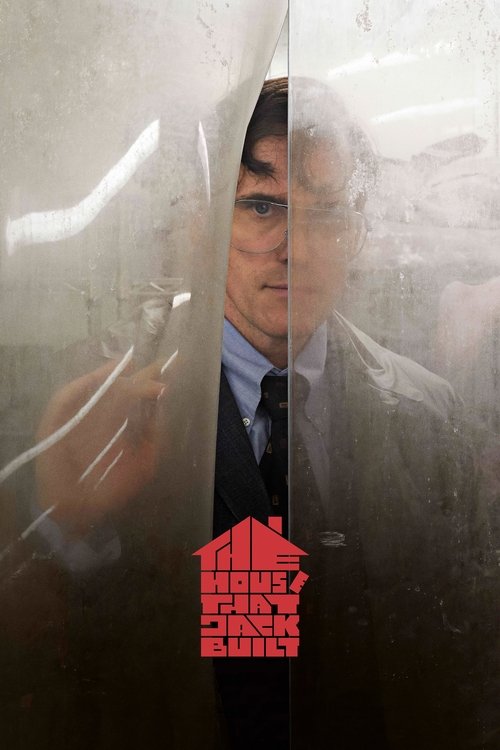
The House That Jack Built dives into the twisted psyche of Jack (Matt Dillon), a failed architect who channels his frustration into a series of gruesome murders, which he attempts to frame as artistic masterpieces. Over the course of twelve years, Jack recounts his most heinous acts to Verge (Bruno Ganz), a mysterious figure who seems to guide him through this dark journey. Each crime is presented with a mix of arrogance and delusion, illustrating Jack’s belief that he is creating beauty through chaos. While the film is long, clocking in at 152 minutes, it tries to mirror the intricacies of Jack's mind—complex yet deeply unsettling.
Performances That Struggle
Matt Dillon delivers a chilling performance as Jack, embodying the character's sociopathic tendencies with unsettling charm. However, the supporting cast, including the talented Bruno Ganz and Uma Thurman, feels underutilized and often overshadowed by Dillon’s dominating presence. Verge, portrayed by Ganz, serves as a philosophical foil but does not quite elicit the depth the role demands. There's little chemistry among the characters, which detracts from the film's potential emotional weight. The reliance on Dillon's performance leaves the others feeling like mere props in Jack's artistic narrative rather than fully-realized characters.
Provocative and Jarring Style
Lars von Trier's direction is unmistakably provocative, employing stark imagery and disjointed editing that captures the chaotic essence of Jack's mind. The visual style flits between chilling and surreal, with moments of grotesque beauty that can leave viewers both fascinated and repulsed. However, the pacing drags significantly at times, making it feel more like an endurance test than an engaging narrative. Some sequences, particularly those that delve into philosophical musings, could benefit from tighter editing to maintain momentum. The film's dark color palette and shocking visuals are memorable but might alienate those not accustomed to von Trier's controversial style.
An Endurance Test
Watching The House That Jack Built is undeniably a taxing experience. It oscillates between moments of intense discomfort and stretches of tedium, often making it hard to connect with the story or feel anything for Jack beyond sheer disgust. While the film aims for a critical reflection on morality and art, it can be frustratingly slow, leaving viewers waiting for a payoff that sometimes never arrives. The blend of graphic violence with philosophical dialogue creates a jarring tonal mismatch, leading to a viewing experience that is simultaneously thought-provoking and dull. Prepare for a mix of boredom and outrage as you sit through its lengthy runtime.
Watch if you liked: No Country for Old Men, The Baader Meinhof Complex
No comments yet. Be the first to share your thoughts!