Genres
Movie Overview & Analysis
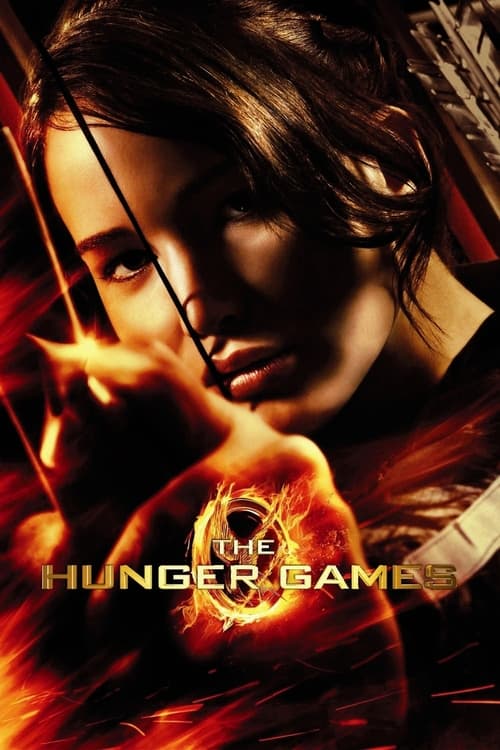
The Hunger Games offers a gritty glimpse into a dystopian world where survival hinges on brutal competition. While it has its strong moments, the film sometimes stumbles in pacing and character development.
Solid Adaptation with Flaws
The Hunger Games is a solid adaptation that manages to shine through its flaws, particularly with a strong lead performance by Jennifer Lawrence. While it stumbles in pacing and character depth at times, its exploration of survival and rebellion makes it worth watching. It’s a film that cleverly critiques societal structures while still delivering entertainment.
Film DNA
The radar scores reflect a decent story depth and strong visuals, though the emotional weight and rewatchability could use improvement. It balances originality and entertainment fairly well.
Pros
- Strong performance by Jennifer Lawrence
- Visually striking representation of the world
Cons
- Pacing issues, especially in the first act
- Some characters feel underdeveloped
Target Audience Breakdown
This film will resonate with fans of dystopian narratives, particularly those who appreciate strong female leads and social commentary. Viewers who enjoy young adult adaptations will likely find it engaging. However, those who prefer fast-paced action over character-driven plots may find The Hunger Games slow and tedious in parts. Additionally, audiences looking for a straightforward action flick might be disappointed by the film's heavier themes and slower moments.
A Deadly Competition for Survival
Set in a future where the Capitol governs with an iron fist, The Hunger Games follows Katniss Everdeen, who volunteers to take her sister's place in a deadly competition. Each year, the Capitol forces districts to send two tributes to fight in a televised contest where only one can emerge alive. As Katniss navigates the treacherous landscape of alliances and betrayals, she grapples with her feelings for fellow tribute Peeta Mellark and the moral implications of the Games. The narrative interweaves themes of survival, sacrifice, and rebellion, ultimately leading to a larger commentary on power and oppression.
Performances with Mixed Impact
Jennifer Lawrence’s portrayal of Katniss is undoubtedly the film's highlight, capturing her fierce determination and vulnerability. However, some supporting characters like Peeta, played by Josh Hutcherson, feel underdeveloped, serving more as a plot device than a fully realized partner. Woody Harrelson as Haymitch brings a necessary dose of humor and wisdom, but other characters, such as Donald Sutherland’s President Snow, lack the depth needed to feel like true antagonists. This unevenness in character development detracts from the film's emotional stakes.
Visuals That Set the Stage
Gary Ross's direction blends an authentic aesthetic with a touch of stylization, enhancing the film's tension. However, the pacing can drag, especially in the first act, where the setup feels overly long. The cinematography effectively captures the stark contrasts between the affluent Capitol and the impoverished districts. The visual choices, such as the elaborate costumes and futuristic settings, are striking. Yet, the shaky cam during action sequences can be disorienting, detracting from the innate excitement of the story.
An Engaging Yet Uneven Journey
Watching The Hunger Games is often a mixed bag of thrills and lulls. While the intense moments of danger and strategy keep viewers on edge, there are stretches where the film feels bogged down by exposition. The emotional stakes hit harder towards the end, but some earlier scenes lack the urgency needed to keep the audience fully engaged. There are definitely moments that tug at the heartstrings, yet an awkward pacing can lead to feelings of frustration as the film balances character development with action.
Watch if you liked: Divergent, The Maze Runner
No comments yet. Be the first to share your thoughts!