Genres
Movie Overview & Analysis
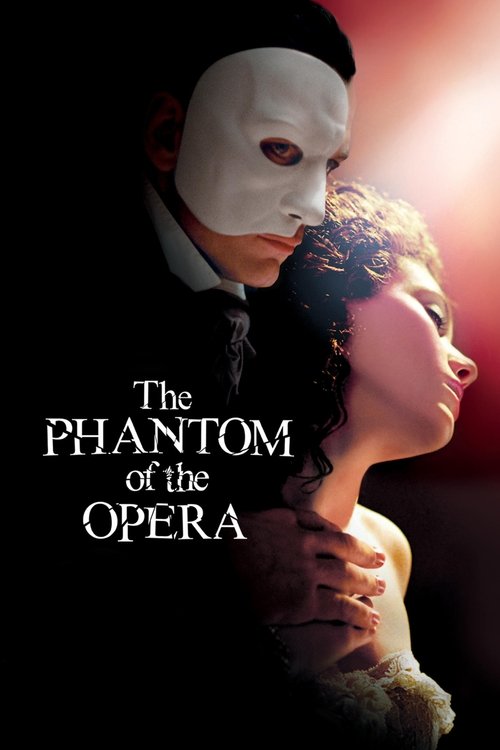
The 2004 adaptation of 'The Phantom of the Opera' offers a vivid blend of romance and tragedy set against the backdrop of a haunting musical. With a mix of powerful performances and melodramatic storytelling, it brings the classic tale to life, albeit not without its flaws.
Visually Splendid Yet Flawed
Overall, 'The Phantom of the Opera' is a visually splendid adaptation that captures the essence of the beloved musical. While it boasts strong performances and a rich score, its dramatic intensity and pacing issues hold it back from being a fully polished experience.
Film DNA
The film scores well on visual impact and story depth, though its emotional weight and rewatchability are more moderate. It balances entertainment with artistic ambition.
Pros
- Strong vocal performances
- Stunning visuals and set designs
Cons
- Pacing issues in storytelling
- Some characters feel underdeveloped
Musical Lovers Unite
This film will likely appeal to fans of musicals and romantic dramas, particularly those who enjoy Andrew Lloyd Webber's score. Viewers who appreciate grand visuals and strong vocal performances will find much to enjoy here. However, those less inclined towards theatrical storytelling or who prefer subtle narratives may want to skip it. Its lengthy runtime and occasional melodrama could be off-putting for casual viewers, making it a better fit for dedicated fans of the genre.
A Tale of Love and Obsession
At the heart of 'The Phantom of the Opera' is Christine Daaé, a young and talented soprano who captures the attention of a mysterious and disfigured musical genius known as the Phantom. Living in the shadows beneath the Paris Opera House, the Phantom becomes obsessed with Christine, hoping to turn her into a star while battling his own demons. This love triangle intensifies with the introduction of Raoul, Christine’s childhood friend and love interest, leading to dramatic confrontations filled with jealousy and passion. As Christine struggles between her feelings for the Phantom and her longing for a normal life, the story unravels themes of obsession, sacrifice, and the pursuit of art.
Performances That Shine
Gerard Butler's portrayal of the Phantom brings a mix of vulnerability and menace, creating a complex character that viewers can simultaneously pity and fear. Emmy Rossum shines as Christine, showcasing her vocal talents and emotional depth, which anchors the film. Patrick Wilson delivers a solid performance as Raoul, though his character can feel somewhat overshadowed by the Phantom's intensity. The supporting cast, including Miranda Richardson as Madame Giry, adds layers to the story, but some characters, like Carlotta played by Minnie Driver, tend to be underutilized and don’t receive enough development to make a lasting impact.
Opulent Visuals, Uneven Pacing
Joel Schumacher's direction presents a visually striking world, with lavish set designs and costumes that reflect the opulence of the Paris Opera House. The cinematography captures both the grandeur and the haunting aspects of the story, using lighting effectively to convey the emotional tone of each scene. However, at times, the pacing feels uneven, especially during musical numbers that can interrupt the narrative flow. The visual effects and choreography are well-executed, but they occasionally overshadow character moments, making it feel like the spectacle is prioritized over deeper connections.
A Melodramatic Experience
Watching 'The Phantom of the Opera' evokes a mix of emotions, from the heart-wrenching moments of the Phantom's loneliness to the exhilaration of Christine's soaring arias. The film's atmosphere is heavily laden with drama, and while it effectively communicates the tragic elements of love and obsession, it can feel overwhelming at times. There are moments of genuine beauty and sadness, particularly in the musical performances, but the emotional weight can sometimes be diluted by the melodrama, leaving the audience to navigate between engaging and excessive emotions.
Watch if you liked: Les Misérables, Moulin Rouge!

No comments yet. Be the first to share your thoughts!