Genres
Movie Overview & Analysis
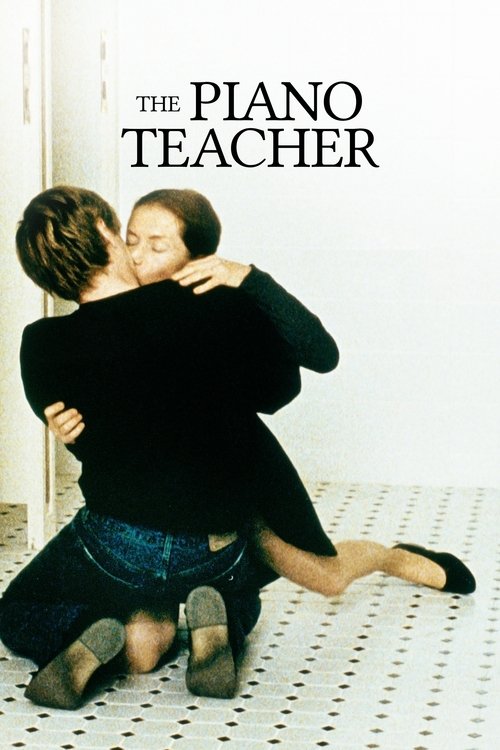
The Piano Teacher serves as a complex exploration of sexual repression and the darker corners of desire, thrusting viewers into a challenging narrative. Directed by Michael Haneke, it doesn't shy away from discomfort, making it a polarizing watch.
Thought-Provoking Yet Flawed
The Piano Teacher is a challenging yet thought-provoking film that holds up a mirror to the darker sides of desire. While it stumbles with pacing and some character development, the film's strengths lie in its performances and the unsettling atmosphere, making it a worthwhile watch for those who seek depth in storytelling.
Film DNA
The scores reflect a film rich in story depth and emotional weight, though its visual impact and entertainment value may not resonate with all viewers. While it offers a unique perspective, rewatchability is limited due to its heavy themes and pacing issues.
Pros
- Isabelle Huppert's powerful performance
- Intriguing exploration of complex themes
Cons
- Pacing issues may frustrate viewers
- Some characters feel underdeveloped
A Niche Audience
This film is tailored for audiences comfortable with slow-burn narratives and complex psychological themes. Those who appreciate character studies and aren't deterred by explicit content and uncomfortable situations will likely find value here. Conversely, viewers looking for a conventional romantic drama or light-hearted fare will likely be disappointed. The Piano Teacher’s dark exploration of sexuality and repression makes it a challenging watch that may alienate casual filmgoers, particularly those averse to ambiguity or disquieting subject matter.
A Struggle for Control
Set in Vienna, The Piano Teacher follows Erika Kohut, a strict piano teacher living under the oppressive watch of her controlling mother. As she navigates her repressed sexuality, Erika becomes entangled with a young student, Walter Klemmer, whose romantic pursuits spark an intense and tumultuous relationship. The film delves into themes of dominance, submission, and self-destruction, as Erika's hidden desires clash with her need for control and her fear of intimacy. The narrative unfolds in a manner that accentuates the tension between her personal struggles and her professional life, leading to moments of both vulnerability and confrontation.
Performances with Depth
Isabelle Huppert delivers a chilling performance as Erika, perfectly embodying the character's complexities and contradictions. Her portrayal captures the nuances of a woman trapped in her own psyche. Benoît Magimel as Walter is somewhat underutilized; his character's motivations could have been fleshed out more, leaving him feeling one-dimensional against Erika’s depth. Annie Girardot as Erika's mother offers a solid, if not overshadowing, presence, enhancing the film's exploration of control and dependency. Some secondary characters, while impactful, often fade into the background, missing the opportunity to add further layers to the story.
Cold Aesthetics, Slow Pacing
Haneke's direction is meticulous, employing long takes and a restrained style that matches the oppressive atmosphere surrounding Erika. The cinematography is stark, often utilizing cold colors that reflect her emotional detachment. However, this approach may frustrate some viewers seeking a more dynamic visual experience. The pacing, while deliberate, occasionally drags, with scenes that linger a bit too long, causing the tension to dissipate at crucial moments. The minimalistic settings serve the narrative well, yet could leave audiences craving more visual variety to underscore the film's themes.
Discomfort That Lingers
Watching The Piano Teacher can be an emotionally taxing experience, invoking a mix of discomfort and curiosity. There are moments that feel overly drawn out, leading to frustration rather than heightened tension. While the film attempts to engage viewers in Erika's inner turmoil, the deliberate pacing occasionally sacrifices the urgency of her emotional landscape. The stark realities portrayed may leave some feeling isolated or drained, especially as the film delves into themes of masochism and emotional abuse. Yet, for those willing to confront the darker elements, there are significant rewards in its exploration of the human psyche.
Watch if you liked: Secretary, The Piano
No comments yet. Be the first to share your thoughts!