Genres
Movie Overview & Analysis
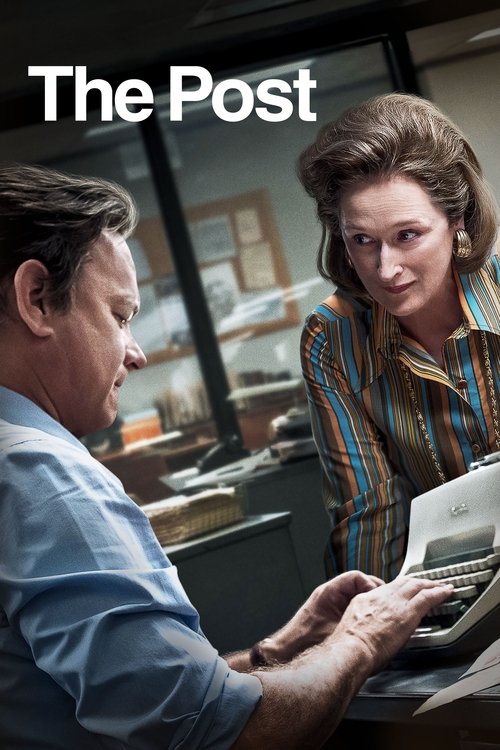
The Post is a film that grapples with the weight of journalism against government secrecy. Directed by Steven Spielberg, it offers a compelling look at a pivotal moment in American history, but does it always hit the mark?
Solid but Not Groundbreaking
The Post offers a solid, if unremarkable, portrayal of a key moment in American history, buoyed by strong performances from Streep and Hanks. While it stumbles with pacing and some character development, it remains an important piece of cinema for those interested in the interplay between journalism and government.
Film DNA
The scores reflect a film that offers a decent depth in storytelling and emotional resonance but lacks visual flair and rewatchability. It’s more of a historical lesson than a cinematic innovation.
Pros
- Strong performances from Meryl Streep and Tom Hanks
- Important theme regarding press freedom
Cons
- Some pacing issues that drag the narrative
- Underutilized supporting characters
History Buffs Unite
The Post will likely appeal to fans of historical dramas and those interested in journalism's role in democracy. However, it might leave action-oriented viewers feeling bored, as the film leans heavily on dialogue and character development rather than fast-paced action. Those looking for a lighthearted or straightforward narrative will be disappointed; the film’s cerebral nature requires audiences to engage with complex themes and moral questions. It's ideal for anyone wanting a thoughtful exploration of a critical historical moment, but definitely not for casual moviegoers seeking entertainment.
A Press Under Fire
Set in the early 1970s, The Post chronicles the struggle of Kay Graham (Meryl Streep), the first female publisher of The Washington Post, and her editor Ben Bradlee (Tom Hanks) as they fight to publish the Pentagon Papers. These classified documents reveal the government’s missteps in the Vietnam War, igniting a fierce battle between the press and the Nixon administration. As the stakes rise, Kay grapples with her responsibilities and the potential fallout of revealing the truth. The film is a historical drama that dives into themes of press freedom, accountability, and the moral dilemmas faced by those in power.
Star Performances, Uneven Support
Meryl Streep delivers a strong performance as Kay Graham, convincingly portraying her internal struggle and growth in a male-dominated world. Tom Hanks is equally solid as Ben Bradlee, though his character often plays second fiddle to Streep's, which might leave some wishing for more depth in his role. The supporting cast, including Sarah Paulson and Bob Odenkirk, provides decent contributions but feel somewhat underused, lacking the nuanced arcs that would elevate their characters. Overall, while the leads shine, the film feels unbalanced, with the supporting characters often relegated to the background.
Traditional Spielberg Style
Steven Spielberg's direction in The Post is competent but fails to innovate. The film employs a familiar visual style, blending muted tones with traditional cinematography that doesn’t stray far from the typical historical drama playbook. Spielberg captures the tension of the newsroom effectively, but there are moments where the pacing drags, especially in the buildup to the publication announcement. The editing could have been tighter to enhance the urgency of the unfolding events, but instead it often feels like it meanders. The visual presentation serves its purpose but doesn't elevate the experience beyond standard fare.
Inspiration with Lulls
Watching The Post is a mixed bag of inspiration and frustration. The passion behind the story is palpable, and there are certainly moments that evoke a sense of pride in journalistic integrity. However, the film's slower sections may test the patience of viewers expecting a more dynamic narrative. Some scenes feel overly drawn out, sapping the momentum just as tension builds. Ultimately, while there are emotional highs, there are also lulls that detract from the overall impact, leading to an experience that can feel uneven.
Watch if you liked: Spotlight, All the President's Men
No comments yet. Be the first to share your thoughts!