Genres
Movie Overview & Analysis
The Theory of Everything is an inspiring yet flawed biopic about Stephen Hawking. While it delivers a heartfelt story, it sometimes feels overly polished and lacks depth.
Impressive but Not Unforgettable
The Theory of Everything is worth a watch, especially for those interested in biographical dramas that focus on the human spirit. While it has its fair share of emotional moments and strong performances, it ultimately falls short of being a deeper exploration of Hawking's life and work.
Film DNA
The scores reflect a film that is engaging visually and emotionally but lacks significant depth and originality. It's enjoyable but not particularly memorable.
Pros
- Strong performances from Redmayne and Jones
- Visually appealing cinematography
Cons
- Lack of depth in supporting characters
- Pacing inconsistencies affect engagement
Biopic Lovers Rejoice
This film is likely to resonate with those interested in biopics or stories about personal triumph over adversity. Fans of romantic dramas may also find value in the love story between Stephen and Jane. However, viewers looking for a more factual or cerebral exploration of Hawking's scientific contributions might be disappointed, as the film prioritizes emotional drama over in-depth scientific discussions. Those who prefer fast-paced narratives or action may find The Theory of Everything a tedious watch, given its slower, reflective tone.
A Love Amidst Struggles
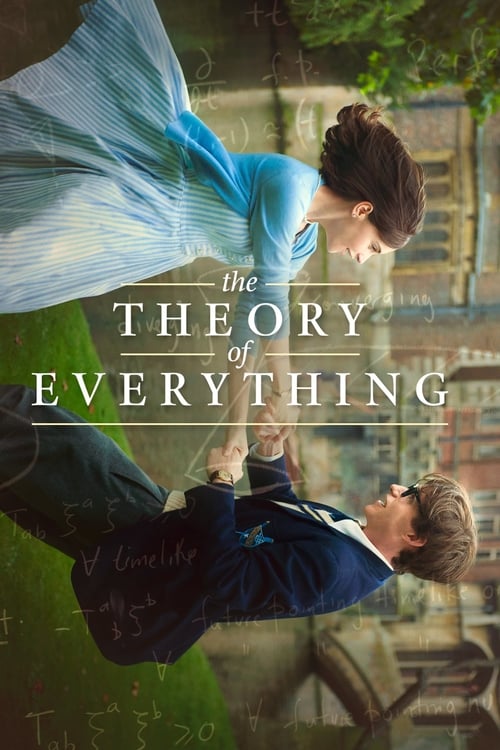
This film chronicles the life of renowned physicist Stephen Hawking, played by Eddie Redmayne, as he navigates the challenges of his motor neuron disease while simultaneously building a life with his wife, Jane Wilde, portrayed by Felicity Jones. Their relationship, marked by love and eventual strain, unfolds against the backdrop of Hawking's groundbreaking work in astrophysics. As he rises to fame, the film grapples with the impact of his condition on both his career and personal life. While the narrative aims to be both a love story and an academic triumph, it often feels like it skims the surface rather than delving into complexities.
Strong Leads, Weak Supporting Roles
Eddie Redmayne delivers a commendable performance as Stephen Hawking, embodying his physical decline with a nuanced approach. Felicity Jones shines as Jane, capturing the emotional turmoil of her character, though at times she feels underutilized amid the film’s focus on Hawking. Characters like Jonathan Hellyer Jones, played by Charlie Cox, lack depth and appear more as side notes than fully realized figures. The supporting cast, including Emily Watson and David Thewlis, offer solid performances but could have been written with greater intricacy to enhance their impact on the central story.
Visually Pleasing Yet Safe
James Marsh's direction is visually appealing, employing a blend of intimate close-ups and sweeping Cambridge landscapes that effectively set the tone. However, the film sometimes relies too heavily on cliched imagery and a formulaic biopic structure. The cinematography, while polished, occasionally sacrifices realism for aesthetic appeal, which detracts from the raw emotional weight the story could have carried. The pacing also suffers at times, with certain scenes dragging on while others rush through significant developments, leaving viewers with a sense of inconsistency.
Highs and Lows of Emotion
Watching The Theory of Everything evokes a mix of admiration and frustration. The emotional highs are genuine, particularly in moments of tenderness between Hawking and Jane, but these moments can be overshadowed by the film's more melodramatic tendencies. Some scenes feel drawn out, leading to moments where the audience might lose interest in the predictability of the unfolding drama. The film’s attempts at emotional resonance sometimes come off as formulaic, relying on the audience's prior knowledge of Hawking's genius and struggles rather than allowing the story to unfold authentically.
Watch if you liked: The Imitation Game, A Beautiful Mind
[…] if you liked: The Theory of Everything, A Beautiful […]