Genres
Movie Overview & Analysis
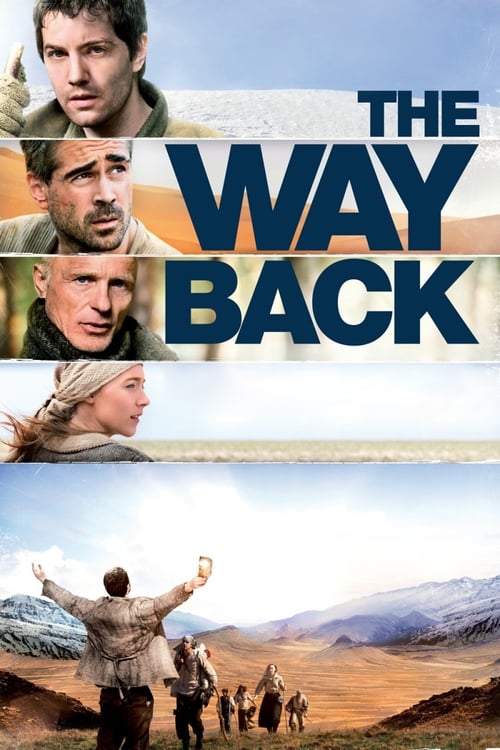
The Way Back offers a somber reflection on resilience and survival against overwhelming odds. While it dives deep into the harrowing journey of escapees from a Siberian gulag, it sometimes falters in pacing.
A Somber Reflection on Freedom
The Way Back delivers a poignant look at human endurance against a backdrop of historical turmoil. While it has its pacing issues and some character development feels lacking, the overall performances and visual storytelling offer a worthwhile viewing experience.
Film DNA
The radar scores reflect a solid narrative foundation and strong visuals, though emotional weight and entertainment value are slightly lower, suggesting a niche appeal.
Pros
- Strong performances from key cast members
- Beautiful cinematography that enhances the story
Cons
- Pacing issues that can lead to disengagement
- Some characters feel underdeveloped
Ideal for Drama Lovers
The Way Back will resonate with audiences who appreciate character-driven narratives and historical dramas. It’s particularly suited for viewers interested in stories of courage, survival, and resilience in the face of adversity. Those who enjoy a slower pace with a focus on emotional depth might find it rewarding. However, viewers looking for action-oriented films or lighter fare might want to skip this one, as its somber themes and pacing can be challenging for those seeking entertainment over introspection.
A Grueling Escape Journey
Set during World War II, The Way Back follows a diverse group of prisoners who escape a brutal Siberian gulag. Led by Janusz, portrayed by Jim Sturgess, they embark on a perilous journey across harsh terrains including the vast Siberian wilderness, the Himalayas, and into India. Along the way, they face not only the challenges of survival—extreme weather and scarce resources—but also their own internal struggles and evolving relationships. The film is loosely based on the memoir by Slavomir Rawicz and highlights the themes of friendship, hope, and the fight for freedom in the face of oppression.
Strong Cast, Mixed Moments
The performances in The Way Back are largely commendable, with Ed Harris as Mr. Smith standing out for his intense and grounded portrayal of authority within the desperate group. Jim Sturgess captures the emotional turmoil of Janusz effectively, while Saoirse Ronan adds a touching quality as Irena. Colin Farrell's Valka, although compelling, feels somewhat underutilized, lacking the depth of characters like Andrei Khabarov, played by Mark Strong, whose stoicism adds layers to the ensemble. The chemistry between the cast enhances the camaraderie and tension throughout their arduous journey.
Visuals of Desolation
Peter Weir's direction imbues The Way Back with an immersive quality, using natural landscapes to reflect the emotional states of the characters. The cinematography captures both the beauty and brutality of their journey, with sweeping shots of desolate landscapes that evoke a sense of isolation. The pacing, however, sometimes drags, particularly in the middle sections where the film shifts focus between character backstories and the ongoing struggle for survival. While the visuals are striking, the editing could have benefited from tightening to maintain momentum.
Heavy Themes, Slow Pace
Watching The Way Back is an emotionally taxing experience—not only due to the characters' struggles but also the moral dilemmas they face. The film's somber tone effectively conveys a sense of despair, which contrasts with moments of hope and solidarity among the escapees. This emotional weight can feel heavy at times, pulling viewers into a reflective state about the nature of freedom and the human spirit. While the film prompts consideration of these themes, its slower moments may leave some viewers feeling detached rather than fully engaged.
Watch if you liked: The Pianist, The Motorcycle Diaries




No comments yet. Be the first to share your thoughts!