Genres
Movie Overview & Analysis
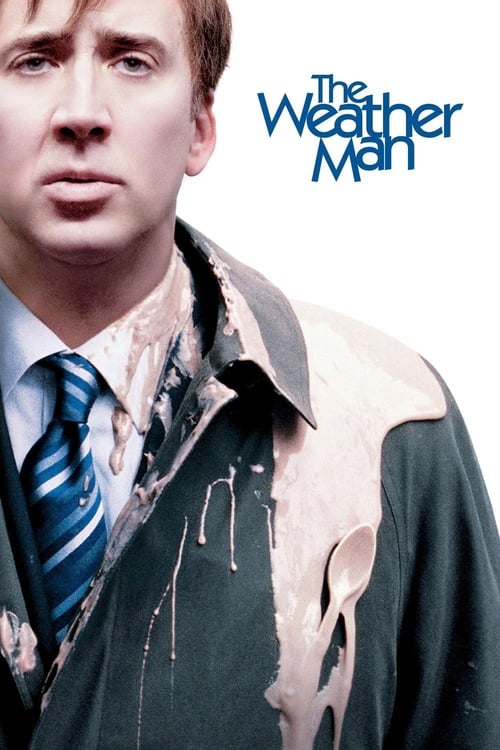
The Weather Man presents an intriguing look at life's unpredictable nature through the eyes of a struggling weather forecaster. Nicolas Cage delivers a performance that captures both the humor and sadness of his character's journey.
A Thoughtful Cinematic Experience
The Weather Man offers a thoughtful take on the complexities of life, anchored by Nicolas Cage's solid performance. While it has its uneven moments, the film provides valuable insights into personal success and failure.
Film DNA
The scores reflect a film that is emotionally impactful and has a solid story depth, though it may not be highly rewatchable or original. Its visual style supports the narrative well, even if it doesn't stand out significantly.
Pros
- Strong performance by Nicolas Cage
- Balanced mix of humor and drama
Cons
- Some characters feel underdeveloped
- Pacing can be inconsistent
Not for Action Lovers
The Weather Man is likely to appeal to viewers who enjoy character-driven stories that blend comedy with drama. Those who appreciate Nicolas Cage's unique acting style may find his performance engaging. However, audiences looking for a fast-paced or action-filled experience might want to skip it, as the film leans more toward introspection rather than high-energy entertainment. Fans of films that tackle midlife crises and familial dynamics will likely find its themes relevant.
A Weather Man's Struggles
David Spritz, played by Nicolas Cage, is a Chicago weather man facing a midlife crisis. His professional life is marked by public scrutiny and personal failures, including a strained relationship with his wife Noreen (Hope Davis) and their children. As David navigates the challenges of his job and his family dynamics, he grapples with the realization that success in one area may come at the cost of another. The film balances moments of humor with deeper reflections on life choices and the search for meaning.
Cage's Strong Performance
Nicolas Cage brings depth to David, effectively portraying the character's weariness and vulnerability. Michael Caine as Robert, David’s father, adds a layer of wisdom, but his role feels somewhat underdeveloped. Hope Davis delivers a strong performance as Noreen, showcasing her character's frustration and love for David. The supporting cast, including Nicholas Hoult and Gemmenne de la Peña, contribute effectively, though some characters lack sufficient screen time for full development.
A Unique Visual Approach
Gore Verbinski’s direction strikes a balance between comedic and dramatic tones, allowing for moments of levity amidst the film's heavier themes. The visual choices reflect Chicago's atmosphere, with a mix of urban landscapes and personal spaces that highlight David's internal struggles. The pacing of the film may feel uneven at times, especially during slower scenes, but it ultimately serves to enhance the reflective nature of David's journey. Verbinski’s approach keeps the narrative engaging, even if it doesn’t break new ground.
Reflective and Relatable
Watching The Weather Man evokes a blend of emotions, from laughter to a sense of melancholy. The film’s exploration of David's failures and realizations resonates on a personal level, prompting viewers to reflect on their own life choices. The comedic elements often provide relief, though the underlying sadness of David's situation lingers. The atmosphere feels both relatable and introspective, creating a narrative that might resonate more deeply with those who have faced similar struggles in their lives.
Watch if you liked: Lost in Translation, As Good as It Gets









No comments yet. Be the first to share your thoughts!