Genres
Movie Overview & Analysis
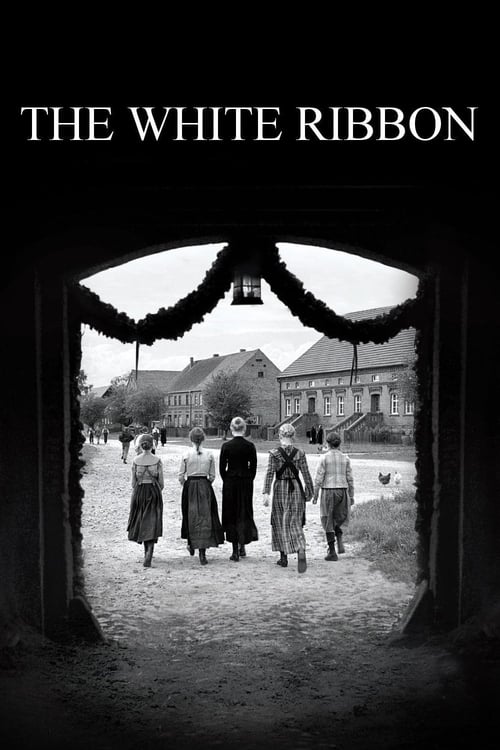
The White Ribbon offers a chilling glimpse into a pre-war village, exposing the oppressive atmosphere of fear and shame that permeates daily life. Haneke's approach is both methodical and melancholic, resulting in a film that lingers long after the credits roll.
A Strong Exploration of Fear
While The White Ribbon masterfully crafts a dark, uneasy atmosphere, it sometimes sacrifices narrative momentum for style. It resonates with themes that feel relevant even today, yet its deliberate pace and lack of character development can leave a bittersweet taste. Worth a watch for its artistry and insight, it may not be everyone’s cup of tea.
Film DNA
The radar scores reflect a film with significant thematic depth and visual impact, though its pacing and emotional engagement might limit its appeal to a broader audience. It's original and thought-provoking but not particularly entertaining for all viewers.
Pros
- Strong thematic exploration
- Stunning visual composition
Cons
- Pacing may deter some viewers
- Underdeveloped supporting characters
For the Patient Viewer
This film is tailored for those who appreciate slow-burning dramas that require patience and reflection. Fans of Haneke’s previous work will likely find much to admire here, given its thematic complexity and visual style. However, viewers who prefer fast-paced narratives or clear resolutions will likely be left dissatisfied. The intense focus on moral ambiguity and societal critique may alienate those looking for a straightforward storyline or emotional catharsis. In essence, if you enjoy films that linger in the mind and provoke discussion, The White Ribbon is for you; if not, it might feel like a chore.
A Village's Dark Secrets
Set in a small village in Northern Germany just before World War I, The White Ribbon revolves around a series of unsettling events that disrupt the lives of its residents. The story is narrated by the village schoolteacher, who observes the authoritarian dynamics among villagers, especially as children experience harsh punishments and strange occurrences that hint at deeper societal issues. As the community's dark secrets unfold, a sense of dread builds, reflecting the broader anxieties of a nation on the brink of war. The film is rich in symbolism, often critiquing the roots of violence and conformity, making viewers question the morality of the community.
Haunting Performances
The ensemble cast delivers a haunting portrayal of life in a repressive environment. Christian Friedel shines as the schoolteacher, capturing the character's internal conflict and moral dilemmas, while the children, especially Leonie Benesch as Eva, deliver performances that resonate deeply. However, some characters feel underwritten, such as Ulrich Tukur's Baron, whose motivations remain murky. This lack of development can detract from the emotional stakes—leaving viewers curious yet frustrated about their roles in the unfolding drama. Overall, the cast succeeds in embodying the film’s unsettling atmosphere, but a few performances feel like missed opportunities.
Stark Yet Beautiful
Michael Haneke’s direction in The White Ribbon is both meticulous and stark, employing a monochromatic palette that amplifies the film’s themes of repression and moral decay. The choice of deep focus cinematography allows viewers to absorb the background details, hinting at the pervasive unease that fills the village. While the pacing is slow, it effectively builds tension, yet some may find it dragging, especially in the extended scenes that focus on the villagers' rituals. The framing and composition are deliberate, creating a haunting aesthetic that stays with you, but occasional static shots can test the viewer's patience. This balance between restraint and visual storytelling is striking yet divisive.
Tension and Boredom
Watching The White Ribbon evokes a mix of discomfort and intrigue, as the film’s dark undertones unfold layer by layer. Moments of tension are punctuated by an almost oppressive stillness that can make the experience feel drawn-out. The use of children to mirror the village’s adult fears adds an unsettling layer, but it can also lead to moments of frustration when the narrative feels repetitive. The slow burn of dread is effective for some, but others may find the emotional weight lacking in resolution. It’s a film that demands attention and contemplation, but it's not always engaging—leaving some viewers bored despite the powerful themes at play.
Watch if you liked: Funny Games, Hidden



No comments yet. Be the first to share your thoughts!