
Genres
Movie Overview & Analysis
Thelma tries to balance a coming-of-age story with supernatural elements, but it often feels like it stumbles on both accounts. While intriguing, the film struggles under the weight of its own ambition.
Intriguing but Flawed
Thelma manages to serve up an intriguing premise with moments of brilliance, but its pacing issues and uneven character development hold it back from greatness. While it's visually compelling and thematically rich, it may not satisfy all viewers seeking a cohesive story.
Film DNA
The radar scores suggest a strong visual experience but a story that struggles to maintain emotional engagement. While original, its entertainment value may not appeal to everyone.
Pros
- Strong visual storytelling
- Compelling themes of repression
Cons
- Inconsistent pacing
- Underdeveloped supporting characters
Not for Action Lovers
Thelma is likely to resonate with fans of slow-burn thrillers and those who appreciate character-driven narratives infused with psychological elements. It offers a thoughtful examination of sexuality and repression wrapped in a supernatural context. However, viewers looking for high-octane action or straightforward horror will likely find it tedious. The film's deliberate pacing and cerebral themes may alienate those who prefer more traditional storytelling. If you enjoy films that provoke reflection rather than adrenaline, this might be a fit; otherwise, prepare for a potentially dull experience.
A Struggle with Powers
The film follows Thelma, a Norwegian college student who begins experiencing severe seizures that coincide with her emerging psychic powers. As she navigates her repressed feelings towards Anja, a fellow student, she finds herself grappling with her religious upbringing and the dark revelations about her family's past. The complex interplay between her natural abilities and emotional turmoil creates a rich backdrop, but the film sometimes gets lost in its own layers, leaving the viewer with more questions than answers. The narrative intertwines elements of horror and drama, leading to a climax that attempts to tie these threads together but may leave some audience members confused.
Uneven Performances
Eili Harboe delivers a commendable performance as Thelma, effectively portraying her internal struggles and transformation. However, Kaya Wilkins as Anja feels underdeveloped, lacking the depth necessary to fully engage with viewers. Their chemistry, which is central to the storyline, lacks the spark needed to elevate the emotional stakes. Supporting characters, like Trond and Unni, add texture to Thelma's life but often come off as one-dimensional. While the performances are generally solid, a deeper exploration of these relationships would have provided a stronger emotional anchor for the narrative.
Atmosphere Over Clarity
Joachim Trier's direction lends a moody atmosphere to Thelma, utilizing naturalistic lighting and haunting cinematography to reflect the protagonist's inner turmoil. The visual storytelling is striking, with well-chosen imagery that evokes an unsettling sense of dread. However, the pacing occasionally drags, especially in the second act, as some scenes feel unnecessarily prolonged. The film's reliance on symbolism—like the recurring motifs of birds and mirrors—adds layers to the storytelling but risks alienating viewers who prefer a more straightforward approach. While the visuals are often stunning, they sometimes overshadow the narrative clarity.
Pacing Lulls the Impact
Watching Thelma is a mixed bag; it oscillates between moments of genuine tension and stretches of confusion. The emotional weight is there, particularly in Thelma's relationship with her parents and her awakening sexuality, yet the film occasionally loses momentum, leaving viewers feeling restless. The psychic abilities and horror elements contribute to an atmosphere of unpredictability, but the film's slow pacing can lead to moments of frustration. The emotional highs are punctuated by lulls that might test the patience of some audiences, making it feel like a drawn-out exploration of themes that could have been better served with tighter editing.
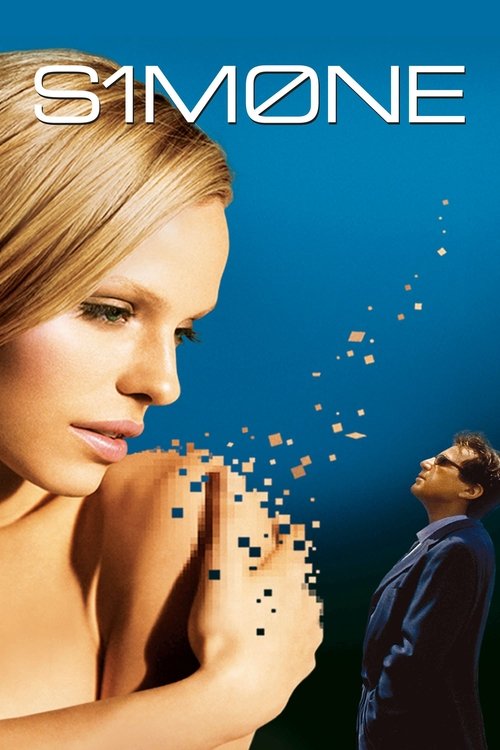
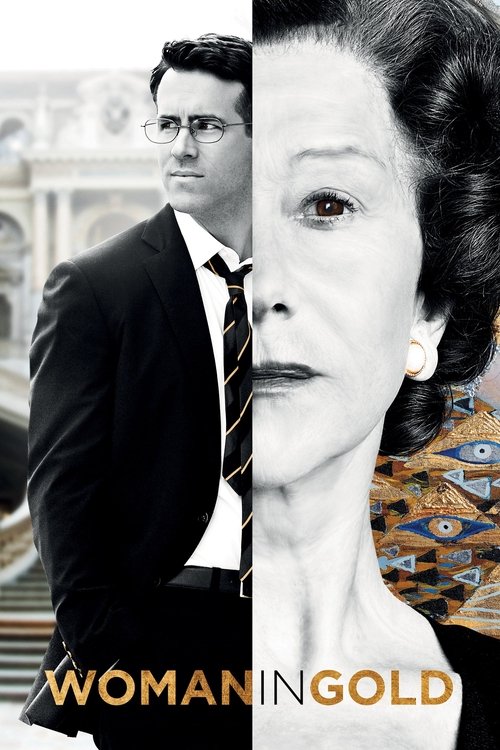
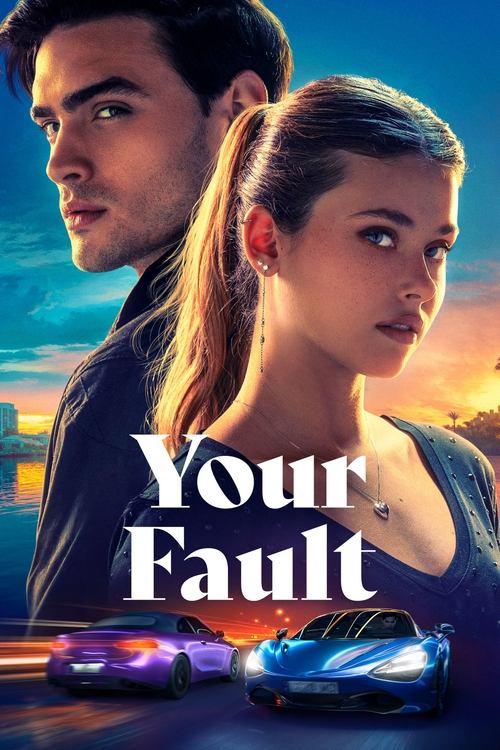
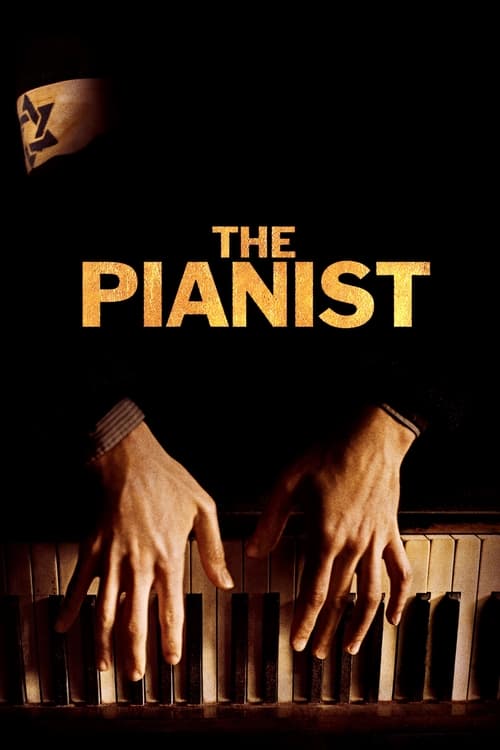
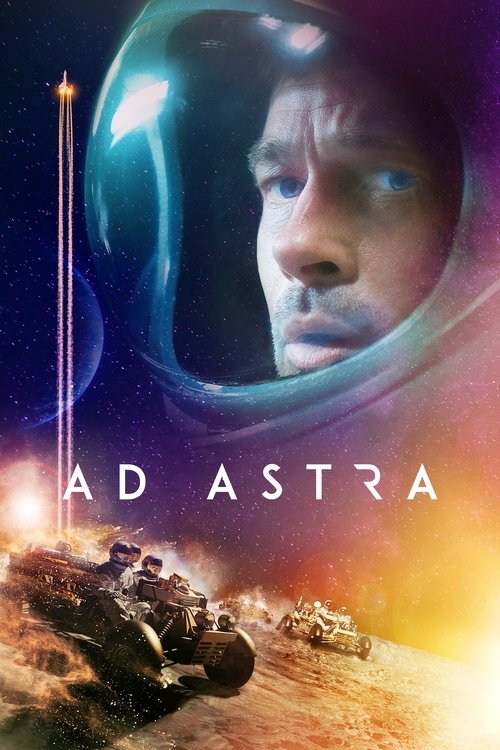
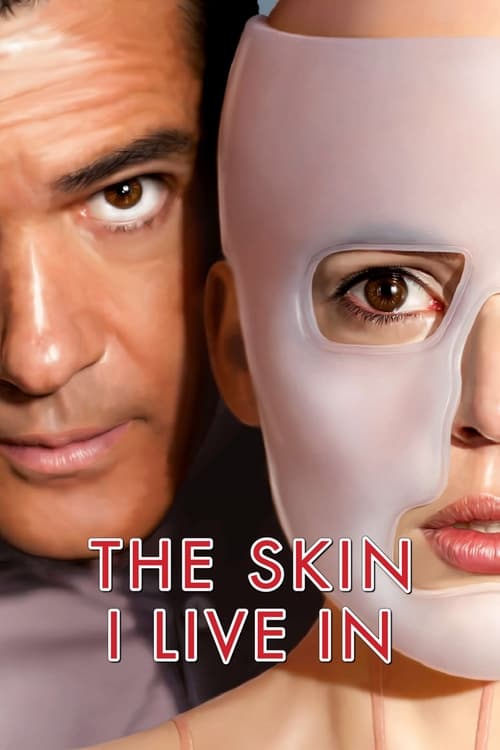
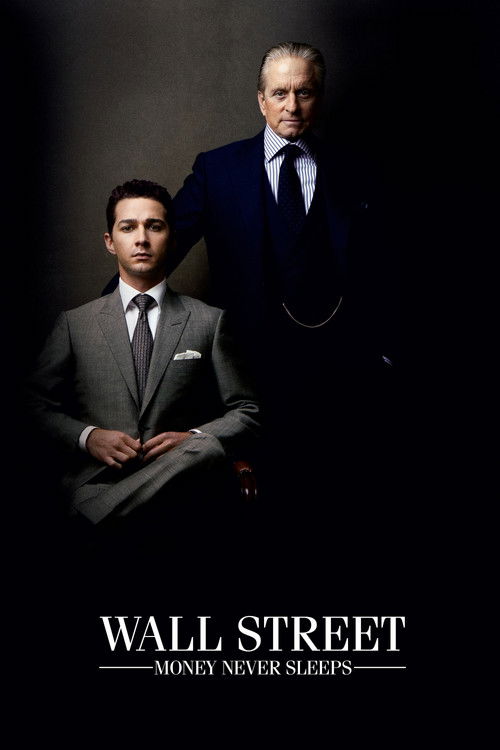
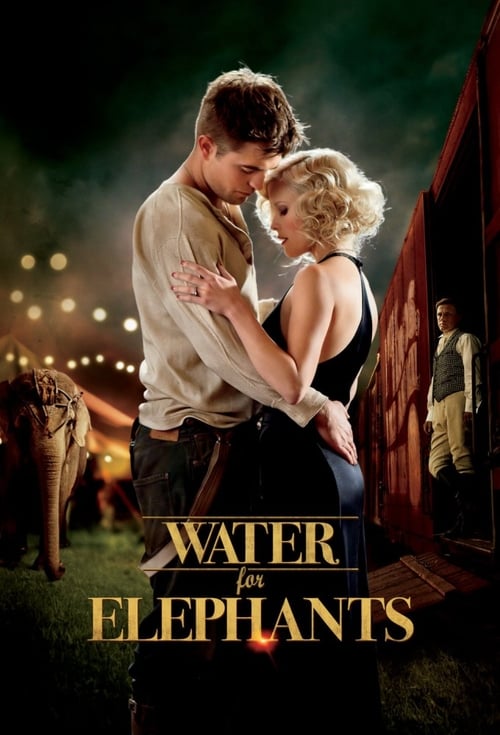
Watch if you liked: Lust, Caution, Stanley


No comments yet. Be the first to share your thoughts!