Genres
Movie Overview & Analysis
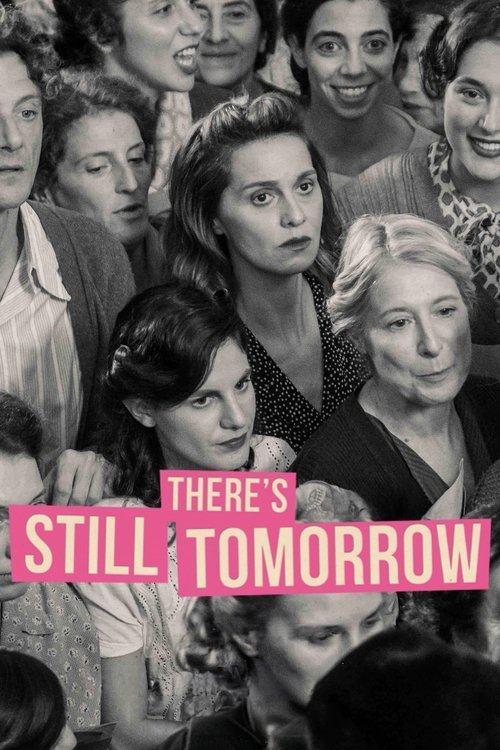
In the landscape of postwar Italy, 'There's Still Tomorrow' aims to blend humor with the harsh realities of domestic life. The film brings a fresh perspective on resilience, but does it lean too heavily on dramatic tropes?
Worth a Watch, With Caveats
Overall, 'There's Still Tomorrow' is an engaging yet flawed film that balances moments of humor with deeper societal commentary. While it struggles with pacing and character depth at times, it ultimately offers a rewarding narrative that's worth exploring.
Film DNA
The radar scores reveal a balanced film that excels visually and has a meaningful story, though its pacing and emotional engagement could be improved.
Pros
- Strong performance by Paola Cortellesi
- Beautiful visual representation of postwar Rome
Cons
- Pacing issues that lead to boredom
- Underdeveloped supporting characters
A Selective Audience Fit
This film will resonate with audiences who appreciate character-driven stories centered around social issues and empowerment. If you enjoy historical dramas that intertwine humor with hardship, this will likely be a satisfactory watch. However, those who prefer fast-paced narratives or light-hearted comedies will likely find 'There's Still Tomorrow' to be a slow burn that tests their patience. The film’s blend of drama and comedy may not appeal to everyone, as its weighty themes could overshadow its comedic intentions.
A Journey to Liberation
Set in the aftermath of World War II, the film follows Delia, a working-class woman trapped in a stifling marriage with her abusive husband, Ivano. As Delia juggles her dreams of a better life for her daughter Marcella, a mysterious letter arrives, igniting her determination to break free from her oppressive circumstances. The film navigates through her struggles as she seeks empowerment amidst societal expectations, blending moments of humor and despair. Ultimately, it's a narrative about the journey toward self-liberation, framed against the backdrop of a historically rich yet challenging era.
Strong Leads, Weak Supporting Roles
Paola Cortellesi shines as Delia, bringing both vulnerability and strength to a character that feels deeply relatable despite her extraordinary circumstances. Valerio Mastandrea, however, underwhelms as Ivano, failing to fully embody the menace of an abusive spouse; his performance feels more caricature than character. The supporting cast, including Romana Maggiora Vergano as Marcella, provides solid performances, yet some characters, like Emanuela Fanelli's Marisa, feel underutilized and lack development. The ensemble has potential but doesn’t always come together to create a cohesive emotional impact.
A Beautiful but Stalling Aesthetic
Director Paola Cortellesi employs a vibrant yet nostalgic aesthetic that captures postwar Rome beautifully. The cinematography balances sweeping cityscapes with intimate close-ups, providing a visually pleasing experience. However, the pacing suffers at times, leading to long stretches where the narrative stalls. Certain comedic sequences feel forced, detracting from the genuine emotions the film aims to convey. While the visual elements are mostly strong, the editing could have been tighter to maintain engagement throughout.
Inspiration Mixed with Frustration
Watching 'There's Still Tomorrow' evokes a mix of inspiration and frustration. The film effectively illustrates Delia's struggles, but there are moments that drag on longer than necessary, leading to boredom rather than tension. While it often delivers emotional highs, particularly during pivotal moments of self-realization, the pacing issues can disrupt the connection with the audience. Viewers may find themselves wishing for a more concise storytelling approach to amplify the impact of Delia's journey.
Watch if you liked: Nacht vor Augen, The Counterfeiters








No comments yet. Be the first to share your thoughts!