Genres
Movie Overview & Analysis
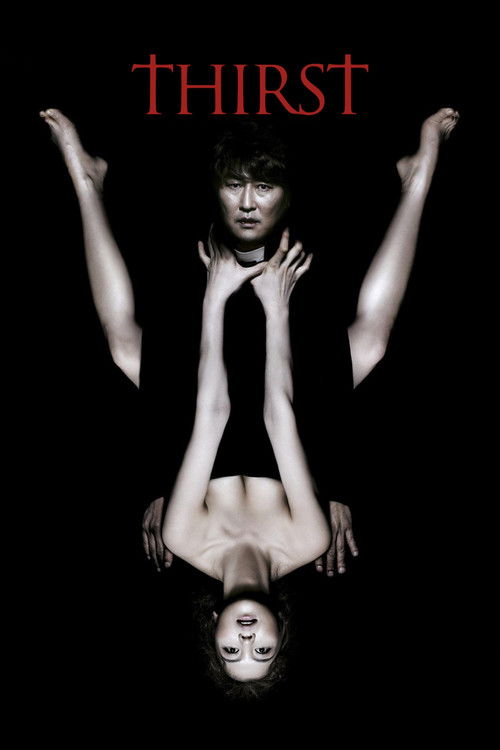
Park Chan-wook’s 'Thirst' offers a unique twist on the vampire genre, blending horror with philosophical musings on faith and desire. While it presents a rich tapestry of themes, it occasionally stumbles under the weight of its own ambition.
A Bold Exploration, Yet Flawed
'Thirst' is a bold exploration of the intersection of faith, desire, and the monstrous within us all. While it falters in pacing and character development, its unique premise and visual flair make it worth a watch for those who can appreciate its complexities.
Film DNA
The scores reflect a film with deep thematic exploration and strong visuals but hindered by pacing and uneven entertainment value. It's inventive but not without its flaws.
Pros
- Unique take on the vampire genre
- Strong visual style and atmosphere
Cons
- Uneven pacing in the narrative
- Underdeveloped supporting characters
Not for Everyone's Taste
'Thirst' will appeal to those who appreciate unconventional horror films that invite deeper reflections on morality and desire. Fans of Park Chan-wook’s previous works will likely find much to enjoy in the director’s signature style. However, those looking for straightforward horror or rapid pacing may find it tedious. Additionally, viewers with a low tolerance for philosophical musings and slow-burning narratives are likely to be disappointed by the film’s structure and pacing.
A Priest's Dark Transformation
'Thirst' follows Priest Sang-hyeon, portrayed by Song Kang-ho, who volunteers for an experimental procedure to combat a deadly virus. After a failed attempt leaves him dead, an enigmatic blood transfusion revives him, but it also instills an insatiable thirst for blood. Caught between his newfound vampiric hunger and his Catholic principles, Sang-hyeon becomes entangled in a forbidden desire for Tae-ju, the wife of his childhood friend. The film intricately explores themes of guilt, temptation, and the struggle for redemption, but its pacing can feel uneven, especially in the latter half.
Strengths and Weaknesses in Acting
The performances in 'Thirst' are a mixed bag, with Song Kang-ho delivering a strong portrayal of the conflicted priest. His ability to convey internal struggle adds depth to the character, yet Kim Ok-bin as Tae-ju feels underutilized. Her transformation from a passive character to a more assertive one lacks sufficient development, leaving viewers wanting more. Supporting characters like Shin Ha-kyun’s Kang-woo add some flavor, but many come off as one-dimensional. The depth of Sang-hyeon’s character overshadows the others, making the ensemble feel slightly unbalanced.
Visuals That Make You Think
Park Chan-wook’s direction is both bold and visually striking; he employs a mix of gothic aesthetics and modern cinematography to create a haunting atmosphere. The color palette, often drenched in reds and dark hues, effectively conveys the film's themes of bloodlust and moral decay. However, the pacing can drag at times, particularly in the middle sections where the philosophical dialogues can feel excessive. The editing feels uneven, making some moments feel protracted. A tighter focus on the narrative would have enhanced the overall impact.
Complex but Occasionally Tedious
Watching 'Thirst' is an emotionally complex experience that oscillates between intrigue and frustration. The film’s attempt to tackle profound themes like faith, guilt, and desire results in a heavy atmosphere that can feel oppressive. While some moments captivate, others stretch on too long, leading to moments of boredom. The gradual buildup of tension is both rewarding and tedious, often testing the audience's patience. The film’s darker tones can evoke a sense of melancholy, but the uneven pacing might leave some viewers disenchanted.
Watch if you liked: Let the Right One In, Oldboy






No comments yet. Be the first to share your thoughts!