Genres
Movie Overview & Analysis
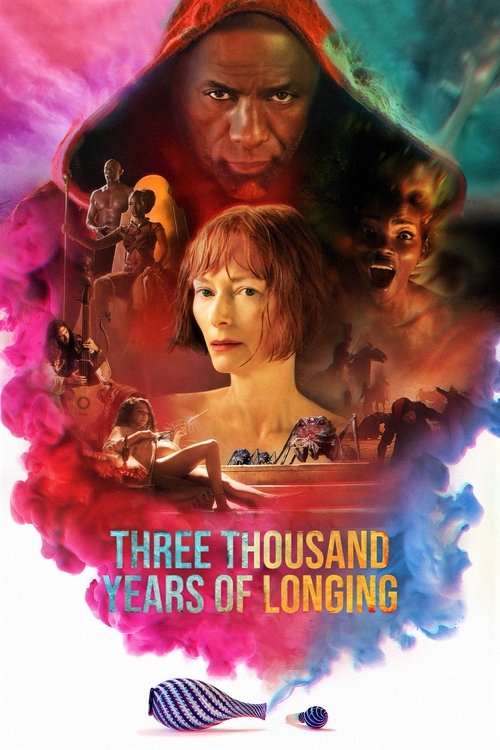
Three Thousand Years of Longing is a film that tries to blend myth with modernity, but often stumbles in execution. While Tilda Swinton and Idris Elba give it their all, the film's pacing presents a significant hurdle that keeps it from soaring.
A Mixed Bag of Wonders
Three Thousand Years of Longing has its moments of beauty and insight, particularly through its lead performances. Yet, its uneven pacing and sometimes meandering storytelling undermine its potential. While it's thoughtful in ambition, it ultimately feels like it could have benefited from a tighter script and a sharper focus.
Film DNA
The radar scores reflect a film that has strong visuals and intriguing themes but struggles with emotional engagement and pacing. It's original but lacks the entertainment factor needed to make it a repeat watch.
Pros
- Strong performances by Swinton and Elba
- Beautiful cinematography and visuals
Cons
- Pacing issues lead to moments of boredom
- Underdeveloped supporting characters
For the Pensive Viewer
This film may appeal to those who appreciate a slower, more philosophical approach to fantasy, focusing on introspective storytelling rather than action or spectacle. Fans of Tilda Swinton and Idris Elba might find it worth their time, but casual viewers looking for a straightforward narrative will likely be disappointed. The film veers into cerebral territory, making it better suited for an audience willing to engage with its themes of mythology and longing. Conversely, those who prefer a fast-paced plot or clear-cut resolutions will find it an exercise in patience.
A Scholar Meets a Djinn
The film follows Alithea, played by Tilda Swinton, a solitary scholar who encounters a djinn, portrayed by Idris Elba, while in Istanbul. He offers her three wishes, but Alithea hesitates, struggling to articulate her desires. As the djinn shares stories from his long existence, their conversations wander through time and myth, exploring themes of longing and fulfillment. However, the narrative often becomes bogged down in these tales, making it feel disjointed and less effective in developing the central relationship. Its exploration of the human experience is compelling, but the execution leaves quite a bit to be desired.
Performances That Shine and Fade
Tilda Swinton delivers a solid performance as Alithea, embodying a mix of skepticism and curiosity towards the djinn, while Idris Elba brings charm and gravity to his role. However, the film's supporting characters don't leave much of an impression, feeling underdeveloped and often distracting from the core story. The chemistry between Swinton and Elba is palpable, but at times, it feels overshadowed by the film's pacing issues, making their interactions feel less impactful. The casting choices are intriguing, yet some potential standout roles end up as mere footnotes.
Visuals That Dazzle, Pace That Lags
Directed by George Miller, the film exhibits a keen eye for visual detail, especially in its depiction of Istanbul’s vibrant atmosphere. However, the storytelling suffers from a lack of narrative cohesion, as scenes often feel drawn out or overly elaborate without advancing the plot. The cinematography includes stunning shots that are visually striking, but they can’t compensate for the sluggish pacing. Miller’s ambition is evident, yet there are moments where the visuals detract from the overall engagement rather than enhance it, leading to a confusing mix of allure and tedium.
Dreamy Yet Disjointed Experience
Watching Three Thousand Years of Longing often feels like drifting through a dream that occasionally loses coherence. The emotional weight of the story is challenged by its slow pacing, leaving viewers more frustrated than engaged at times. There are poignant moments, especially in the djinn’s stories, but they often get lost in lengthy dialogue and elaborate setups. Instead of leaving audiences feeling uplifted or reflective, the film more frequently leaves them bored or checking the runtime, hoping for a more dynamic turn of events that rarely arrives.
Watch if you liked: The Shape of Water, The Fall




No comments yet. Be the first to share your thoughts!