Genres
Movie Overview & Analysis
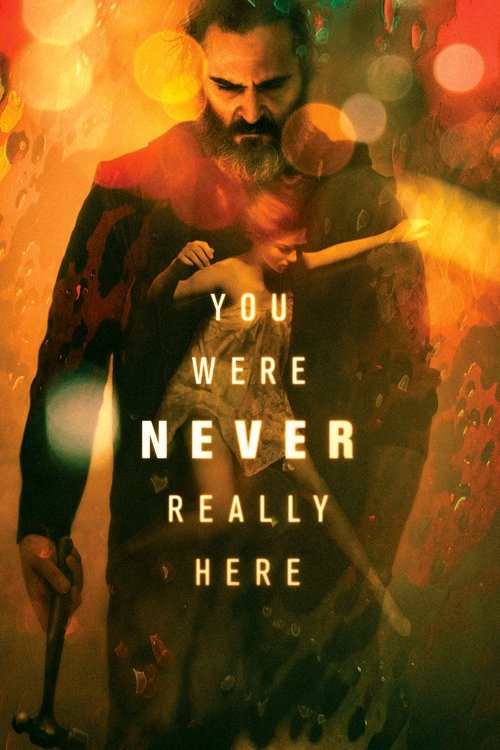
You Were Never Really Here tries to blend raw emotion with a gritty narrative but gets lost in its own artistic choices. While Joaquin Phoenix delivers a haunting performance, the film sometimes feels more like a collection of stylish vignettes than a cohesive story.
A Mixed Bag of Intrigue
You Were Never Really Here is a compelling but flawed exploration of trauma and redemption. While Phoenix's performance is captivating and the film's visual style is striking, its uneven pacing and underdeveloped supporting characters hinder its overall impact. It's worth a watch for those intrigued by psychological depth and grit, but prepare for a pacing that challenges your patience.
Film DNA
While the film excels in visual style and emotional weight, its story depth and rewatchability may leave some wanting more. A unique experience, but not universally appealing.
Pros
- Joaquin Phoenix's standout performance
- Bold and distinctive visual style
Cons
- Uneven pacing detracts from engagement
- Underdeveloped supporting characters
Not for the Faint of Heart
This film is likely to attract viewers who appreciate introspective stories and character studies, especially when they are dark and gritty. Fans of Joaquin Phoenix will find much to admire in his performance, but those looking for straightforward storytelling or action may find themselves frustrated. Its slow pacing and heavy themes will likely alienate casual moviegoers or those who prefer lighter fare. Ultimately, this is a film that caters to a niche audience, making it a tough sell for mainstream viewers.
A Troubled Veteran's Descent
The film follows Joe, a traumatized veteran played by Joaquin Phoenix, who makes a living by rescuing missing girls. As he takes on a new job that spirals into chaos, he grapples with his own dark past and the horrors of his violent profession. Haunted by flashbacks and the trauma of war, Joe begins to unravel a larger conspiracy that intertwines with his personal demons. The film’s exploration of his psyche is compelling, but the narrative feels disjointed at times, leaving the audience questioning the overall purpose of Joe's journey.
Phoenix Carries the Weight
Joaquin Phoenix is undoubtedly the standout performer, embodying Joe with a raw intensity that lingers long after the credits roll. His portrayal of PTSD and the struggles of a broken man is both haunting and deeply affecting. However, other characters like Nina Votto, played by Ekaterina Samsonov, feel underdeveloped, lacking sufficient screen time to forge a significant connection with Joe. The supporting cast, while competent, often feels like they exist merely to prop up Phoenix's character rather than adding depth to the story. This uneven character development diminishes the emotional impact of the film's climax.
Bold Style, Mixed Clarity
Lynne Ramsay's direction is stylistically bold, featuring stark visuals and unconventional editing that often prioritizes atmosphere over narrative clarity. The use of close-ups and fragmented shots creates a disorienting experience that reflects Joe’s mental state. However, this approach can also lead to moments of confusion, as the film sometimes sacrifices coherence for aesthetic flair. The sound design complements the visuals well, with an eerie score that amplifies the tension, but the heavy reliance on mood can also detract from character-driven storytelling, leaving audiences detached at times.
Heavy Themes, Uneven Pacing
Watching You Were Never Really Here is an emotional rollercoaster that oscillates between profound moments and stretches of disconnection. While some sequences are profoundly haunting, others drag on, making the 89-minute runtime feel longer than necessary. The pace often fluctuates, with moments of tension undermined by stretches of silence that may compel some viewers to lose interest. The film captures the bleakness of Joe's life effectively, yet its heavy themes can feel oppressive, leading to moments where the weight of the narrative becomes more exhausting than engaging.
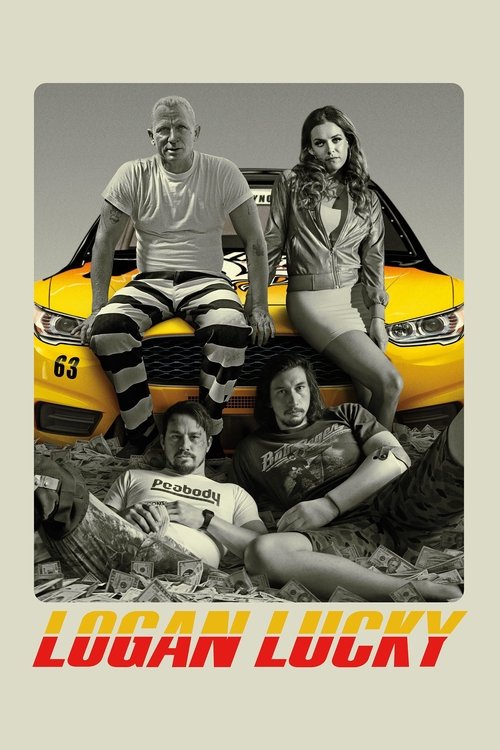
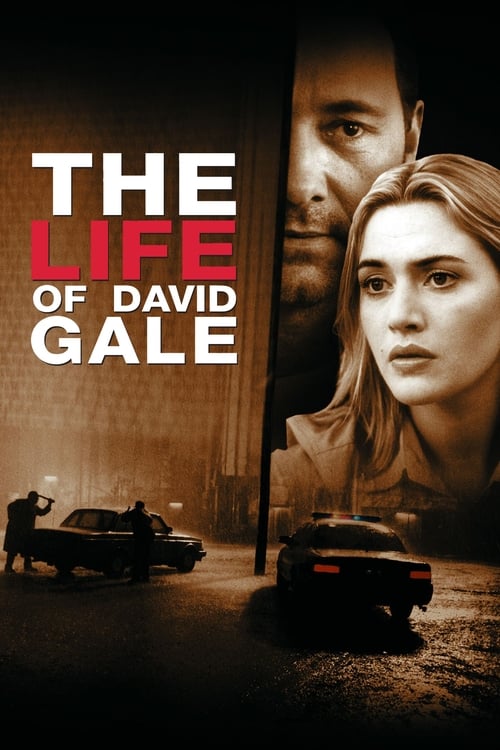
Watch if you liked: Taxi Driver, The Machinist





No comments yet. Be the first to share your thoughts!