Genres
Movie Overview & Analysis
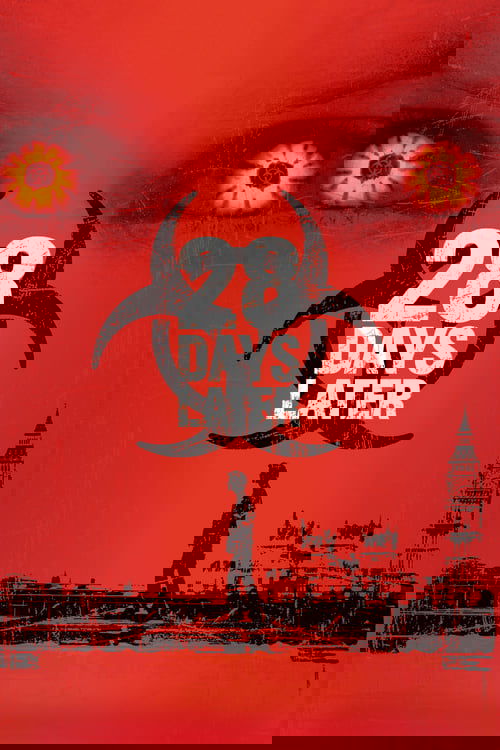
28 Days Later is a distinctive entry in the horror genre that combines the thrill of a zombie apocalypse with deep themes of survival. Directed by Danny Boyle, it offers a gritty look at human nature in dire circumstances.
Strong Yet Flawed Experience
28 Days Later presents a fresh perspective on the zombie genre with a strong cast and impactful direction, though it has its share of flaws in character development. It strikes a balance between horror and emotional depth, making it a worthwhile watch for genre enthusiasts.
Film DNA
The scores reflect a film that excels in originality and visual impact while managing a decent level of emotional weight. Its story depth and rewatchability show it has strengths but may not appeal to everyone.
Pros
- Strong performances from the lead cast
- Effective direction and unique visual style
Cons
- Some characters feel underdeveloped
- Shaky camerawork may be disorienting for some
A Select Audience
28 Days Later will likely appeal to fans of horror and science fiction, particularly those who appreciate a more cerebral take on the zombie genre. It’s a good fit for viewers looking for a film that combines action with deeper themes about humanity. However, those who dislike graphic violence or bleak narratives may want to skip it. The film’s pacing and style may not cater to everyone, especially those seeking more traditional horror tropes.
Surviving the Infected Chaos
The film starts twenty-eight days after a virus wreaks havoc in the UK, turning infected individuals into violent, rage-fueled beings. The narrative follows Jim, played by Cillian Murphy, who wakes from a coma to find London deserted and chaotic. Alongside a small group of survivors, including Selena (Naomie Harris) and Frank (Brendan Gleeson), they navigate the dangers of a world ravaged by the outbreak. Their struggle is not only against the infected but also against the remnants of humanity that threaten their survival. The film explores themes of isolation, trust, and the fragility of civilization.
Characters in Crisis
Cillian Murphy delivers a strong performance as Jim, effectively conveying both vulnerability and determination. Naomie Harris shines as Selena, balancing toughness with emotional depth, while Brendan Gleeson provides an anchoring presence as the protective Frank. However, some characters, like Major Henry West (Christopher Eccleston), feel somewhat underdeveloped, serving more as plot devices than fully realized individuals. Despite this, the chemistry between the main cast adds a layer of authenticity to their fight for survival.
Raw and Gritty Aesthetics
Danny Boyle's direction is notable for its raw and gritty aesthetic, capturing the desolate landscapes of a post-apocalyptic London. The use of handheld cameras creates an immersive experience, enhancing the urgency of the story. The visual choices, including the bleak color palette, effectively reflect the themes of despair and resilience. However, some viewers may find the shaky camerawork disorienting at times, which detracts slightly from the overall visual impact. Still, the film's cinematography aligns well with its tone.
Tense Yet Thoughtful
Watching 28 Days Later is a tense experience that elicits a mix of anxiety and hope. The film does a commendable job of building suspense, drawing viewers into the characters' plight. There are moments of genuine emotional connection, especially in the interactions between Jim, Selena, and Frank. However, the relentless atmosphere of dread may leave some feeling overwhelmed. Overall, the film balances its horror elements with poignant moments that resonate, inviting reflection on human nature in crisis.
Watch if you liked: Train to Busan, The Road


No comments yet. Be the first to share your thoughts!