Genres
Movie Overview & Analysis
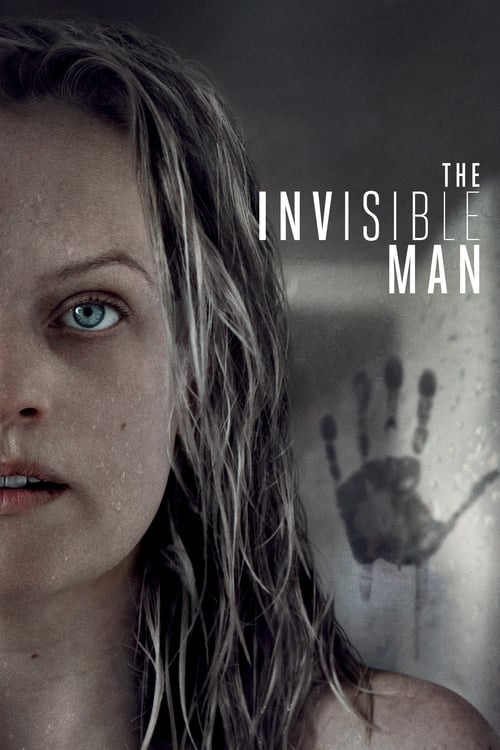
The Invisible Man offers a modern twist on a classic horror tale, blending psychological tension with science fiction. While it effectively builds suspense, some elements may feel predictable.
A Solid Thriller with Depth
The Invisible Man offers a thought-provoking and chilling take on a classic story about abuse and survival. While it has its weaknesses in character development, the film’s strengths lie in its performances and atmospheric direction.
Film DNA
The film scores well in storytelling and visuals but has room for improvement in originality and emotional engagement. It's entertaining but may not invite multiple views.
Pros
- Elisabeth Moss's powerful performance
- Impressive visual effects and direction
Cons
- Some supporting characters lack depth
- Pacing issues in certain scenes
Thriller Fans Will Enjoy
This film will likely resonate with fans of psychological thrillers and horror who appreciate a strong female lead and themes of empowerment in the face of adversity. Those who enjoy suspenseful narratives that tackle serious issues may find it particularly engaging. However, viewers who prefer straightforward horror without deeper emotional undercurrents may want to skip it, as the film leans more towards psychological tension than traditional horror scares. It’s a compelling watch for a modern audience, but it might not suit everyone’s preferences.
A Dark Legacy Unfolds
The film follows Cecilia Kass, portrayed by Elisabeth Moss, who escapes an abusive relationship with her wealthy ex-partner, Adrian Griffin. After his apparent suicide, she inherits his fortune but soon suspects that his death is part of a sinister plot. Cecilia becomes convinced that Adrian has found a way to become invisible and is stalking her, leading to escalating paranoia and a fight for her life. The narrative explores themes of trauma and gaslighting as Cecilia struggles to prove her reality to those around her, showcasing the devastating impact of emotional abuse.
Strong Performances Shine
Elisabeth Moss delivers a standout performance as Cecilia, embodying vulnerability and strength as she navigates through her harrowing experiences. Aldis Hodge and Storm Reid provide solid support as friends who try to help Cecilia, though their characters could use more development to create deeper emotional connections with the audience. Oliver Jackson-Cohen effectively portrays the menacing presence of Adrian, but his character often feels underexplored, limiting the audience's understanding of his motives. Overall, while the performances are compelling, some supporting roles feel slightly underutilized.
Tension Through Visuals
Director Leigh Whannell crafts a tense atmosphere through clever use of space and light, making the invisibility aspect both intriguing and chilling. The film employs a mix of tight close-ups and eerie wide shots that enhance the feeling of isolation that Cecilia experiences. The pacing is generally strong, though a few scenes could benefit from tighter editing to maintain momentum. The practical effects used to depict the invisible man are impressive and contribute to the film's unsettling aura, even if they draw on familiar tropes from the genre.
Unease and Empowerment
Watching The Invisible Man evokes a sense of unease as it taps into real fears surrounding abuse and the struggle to be believed. The film effectively captures the isolation and terror Cecilia feels as she fights against an unseen enemy. While it has moments of tension that leave you on edge, there are also slower segments that may disrupt the flow for some viewers. The emotional weight is palpable, especially for those who can relate to its themes, but its reliance on familiar horror motifs means it doesn't always innovate as much as it could.
Watch if you liked: Get Out, Hereditary





[…] if you liked: The Invisible Man, The Little […]
[…] Watch if you liked: Shirley, The Invisible Man […]
[…] if you liked: The Invisible Man, Perfect […]