Genres
Movie Overview & Analysis
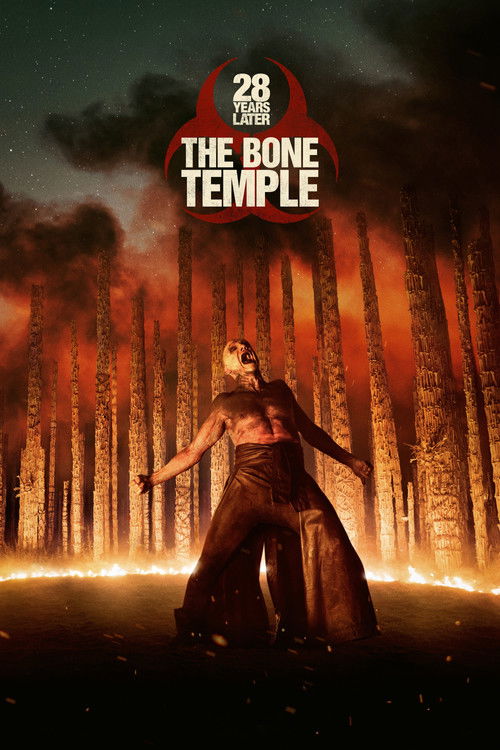
In '28 Years Later: The Bone Temple,' the chilling aftermath of a global catastrophe continues to unfold. While the film offers thrilling moments, it struggles to break new ground in its genre.
Engaging Yet Familiar
'28 Years Later: The Bone Temple' provides a suspenseful addition to the genre, though it doesn't entirely break new ground. It offers moments of intrigue and solid performances, leaving viewers with a mix of satisfaction and a desire for deeper exploration of its characters.
Film DNA
The scores reflect a solid narrative foundation and decent visual impact, but the emotional weight and originality show some room for improvement. Overall, it's an engaging film that may not be groundbreaking.
Pros
- Strong performances, particularly from Fiennes
- Effective visual style that enhances the horror atmosphere
Cons
- Pacing issues detract from the overall impact
- Some characters lack sufficient development
Fans of the Genre Unite
This film will likely appeal to fans of the horror and science fiction genres who enjoy narratives that explore the complexities of human relationships under extreme circumstances. Viewers who appreciate post-apocalyptic settings and themes involving cult dynamics will find much to engage with. However, those seeking a straightforward horror experience may find its pacing and character development lacking. It's not for the faint of heart, but those willing to invest emotionally will likely take more from it than casual viewers.
The Aftermath of Chaos
Set nearly three decades after a devastating apocalypse, the film follows Dr. Kelson, who finds himself entwined in a dark relationship with severe implications for humanity. Meanwhile, Spike's encounter with the enigmatic Sir Jimmy Crystal spirals into a horrifying nightmare. This chaotic mix of survival horror and cult dynamics pulls viewers into a world where every decision can mean life or death. As the plot unfolds, themes of loyalty, sacrifice, and the effects of trauma emerge amidst the backdrop of a crumbling society. The blend of personal struggles and external threats keeps the tension alive throughout the 109-minute runtime.
Performances Under Pressure
Ralph Fiennes delivers a solid performance as Dr. Kelson, embodying the struggle of a man torn between his past and the new world he inhabits. Jack O'Connell's portrayal of Sir Jimmy Crystal is engaging, though at times, his character feels underexplored, leaving viewers wanting more depth. Alfie Williams as Spike also stands out, bringing a relatable sense of dread to his role. While the cast generally performs well, some characters, like Emma Laird's Jimmima, feel somewhat sidelined, lacking the development that could have enhanced their impact on the story.
A Visual Language of Dread
Nia DaCosta's direction employs a visually stark style that complements the film's themes of dread and decay. The cinematography captures both the desolation of the post-apocalyptic landscape and the intimate moments between characters. While some scenes effectively ramp up tension, others suffer from pacing issues, making the film feel uneven at times. The use of practical effects and atmospheric sound design enhances the horror elements, but certain visual choices, like rapid cuts during key moments, might distract viewers rather than build suspense.
A Heavy Atmosphere
Watching '28 Years Later: The Bone Temple' is an experience weighed down by a palpable sense of dread. The emotional beats are there, particularly in Dr. Kelson's internal conflict and Spike's harrowing experiences, but they don't always land with the intended impact. The film oscillates between thrilling action and slower, introspective moments, which can create a disjointed viewing experience. However, there's a haunting quality that lingers, especially during moments of personal sacrifice, making it a thought-provoking piece, even amid its flaws.
Watch if you liked: Dawn of the Dead, 28 Days Later

No comments yet. Be the first to share your thoughts!