Genres
Movie Overview & Analysis
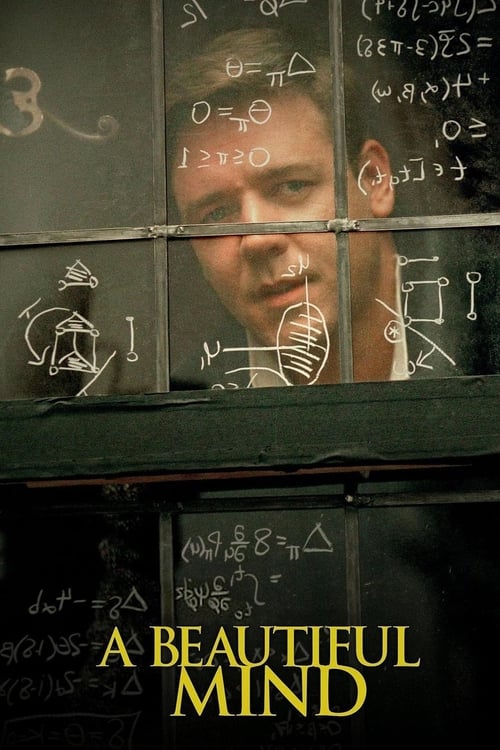
Ron Howard's 'A Beautiful Mind' is a rollercoaster of brilliance and madness. Russell Crowe delivers a compelling performance, but the film occasionally stumbles on its pacing and character development.
Strong Performances with Flaws
'A Beautiful Mind' offers a compelling mix of strong performances and intriguing subject matter, even if it stumbles with pacing issues. It’s a film that pushes viewers to think about the complexities of the human mind, but it could have been tighter. Overall, it’s worth a watch for those intrigued by the story of John Nash and the struggles of mental illness.
Film DNA
The radar scores highlight a well-structured story with solid visuals and emotional engagement, though pacing issues affect entertainment value and rewatchability.
Pros
- Strong performances by Crowe and Connelly
- Intriguing exploration of mental illness
Cons
- Pacing issues in the second act
- Underdeveloped supporting characters
Cerebral or Casual Viewer?
'A Beautiful Mind' will likely appeal to viewers who appreciate biographical dramas and character studies, especially those interested in the intersection of genius and mental illness. Fans of Russell Crowe and Jennifer Connelly will be delighted, as their performances anchor the film. However, audiences seeking fast-paced action or clear-cut resolutions might be left frustrated. The film's more cerebral approach, with its focus on philosophical questions about reality and perception, may alienate those who prefer straightforward storytelling. It's definitely not for everyone, but those who enjoy deeper, reflective narratives may find value here.
A Mind in Turmoil
The film follows John Forbes Nash Jr. (Russell Crowe), a brilliant yet socially awkward mathematician whose groundbreaking work thrusts him into the spotlight. As he begins to accept secretive government work, his life spirals into a world of paranoia and delusion. The narrative weaves between his achievements and the personal struggles brought on by schizophrenia, showcasing both his romantic relationship with Alicia (Jennifer Connelly) and the haunting impact of his mental illness. While Nash’s journey is riveting, it also raises questions about the line between genius and madness, offering a complex portrait of a man battling his own mind.
Performances That Matter
Russell Crowe’s portrayal of John Nash is a standout, offering a nuanced take on a complicated character. Jennifer Connelly shines as Alicia Nash, effectively conveying the emotional burden of supporting a partner with mental illness. However, some supporting characters, like Ed Harris as William Parcher, feel underdeveloped, leaving their motivations vague. Paul Bettany’s Charles Herman provides a welcome touch of levity but often serves more as a plot device than a fully realized character. The cast is strong, but certain roles could have benefited from deeper exploration to add more depth to the story.
Visuals Reflecting Inner Struggle
Ron Howard's direction maintains a steady hand, balancing the emotional weight of Nash's story with visual flair. The cinematography captures both the vibrant academic world and the darker recesses of Nash's mind, effectively using color and shadow to represent his mental state. However, the pacing occasionally falters, particularly in the second act where the tension wanes. The editing could have been tighter, as some scenes linger a bit too long, diluting the overall impact. While the visuals are engaging, there are moments where less could have been more, creating a sharper focus on Nash’s internal struggles.
Frustration and Empathy
Watching 'A Beautiful Mind' is an emotionally intense experience, albeit not without its frustrating moments. The film manages to elicit genuine empathy for Nash's plight, but there are stretches that feel drawn out, causing the narrative to lose momentum. Some viewers may find themselves bored during the slower scenes, particularly in the mid-second act. However, the emotional highs—such as Nash's breakthroughs and tender moments with Alicia—are poignant and resonate throughout the film. It’s a powerful depiction of love’s resilience against the backdrop of mental illness, even if it sometimes feels like it’s treading water.
Watch if you liked: Good Will Hunting, The Imitation Game










[…] Watch if you liked: The Remains of the Day, A Beautiful Mind […]
[…] if you liked: A Beautiful Mind, The Pursuit of […]