Genres
Movie Overview & Analysis
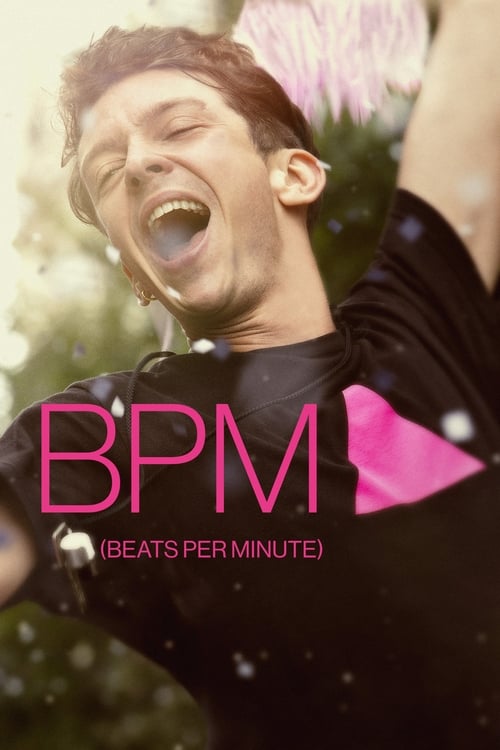
Set in the backdrop of 1990s Paris, BPM (Beats per Minute) is a heartfelt yet challenging watch. It dives into serious themes, but the pacing can be an uphill battle at times.
A Thoughtful Yet Challenging Watch
BPM (Beats per Minute) is a thoughtful film that tackles significant issues but suffers from pacing problems that could alienate some viewers. While its powerful performances and emotional stakes resonate, the drawn-out sequences may leave others feeling fatigued. It's worth a watch for those willing to invest the time and energy into its weighty themes.
Film DNA
The radar scores reflect a film rich in story depth and emotional weight, but it struggles with pacing and entertainment value, making it less accessible for a broader audience.
Pros
- Strong performances that evoke emotion
- Important themes of activism and love
Cons
- Pacing issues can lead to boredom
- Some characters lack development
Audience Divide Ahead
BPM is primarily for those interested in LGBTQ+ history and activism, as well as fans of character-driven stories. If you appreciate films that are heavy on dialogue and explore complex social issues, you may find much to admire here. However, viewers seeking a fast-paced narrative or light entertainment will likely be disappointed. The film's slow pacing and emotional weight can be challenging, making it a tough sit for those unfamiliar with the AIDS crisis or uninterested in activist themes. Those who enjoy films that demand patience and introspection will likely appreciate the depth BPM has to offer.
Activism in 90s Paris
BPM (Beats per Minute) follows the lives of young AIDS activists in Paris during the early 1990s, as they fight against pharmaceutical companies that hoard potential treatments for the disease. Led by passionate characters like Sean (Nahuel Pérez Biscayart) and Nathan (Arnaud Valois), the group engages in direct actions, protests, and intimate gatherings to raise awareness about the crisis. Their struggles are interspersed with personal relationships, love, and loss, highlighting the urgency of their mission while providing a lens into the complex world of activism during a troubling era. The film paints a vivid picture of despair and hope, though its lengthy runtime might test viewers' patience.
Performances That Resonate
The performances in BPM carry a weight that's hard to ignore. Nahuel Pérez Biscayart's portrayal of Sean is particularly striking, managing to convey a mix of vulnerability and fierce determination. Arnaud Valois as Nathan complements him well, although his character development feels somewhat overshadowed at times. Adèle Haenel as Sophie adds a refreshing dynamic but doesn't get enough screen time to fully shine. The supporting cast is solid, yet some characters, like Thibault (Antoine Reinartz), feel underutilized, leaving the audience wanting more depth. Overall, the ensemble delivers a strong emotional impact, but not everyone receives the same level of attention in the narrative.
Grounded Yet Slow
Robin Campillo’s direction in BPM is ambitious, balancing the rawness of activism with intimate moments of connection. The film employs a mix of handheld camera work and static shots that ground the viewer in the gritty reality of the 90s. The visual choices often emphasize the chaotic energy of the protests, yet the film also takes its time with quieter moments, which may lead to a muddled pacing. While the cinematography captures the essence of Paris beautifully, some scenes feel stretched and could have benefited from tighter editing. The gritty realism is appreciated, but a bit more visual variety might have kept the viewer more engaged.
Heavy Moments, Uneven Flow
Watching BPM is an emotional journey, albeit one that can feel laborious. The film excels in moments of high tension and intimate connection, but its lengthy runtime often stalls the pacing. There are lengthy sequences that might leave casual viewers restless, and while they contribute to the atmosphere, they can be a double-edged sword. The film's depiction of grief and activism strikes hard, and many viewers will find themselves moved by the struggles portrayed. However, the overall experience can feel uneven, with some viewers potentially feeling overwhelmed rather than uplifted by the heavy themes and protracted scenes.
Watch if you liked: Paris, je t'aime, The Normal Heart








No comments yet. Be the first to share your thoughts!