Genres
Movie Overview & Analysis
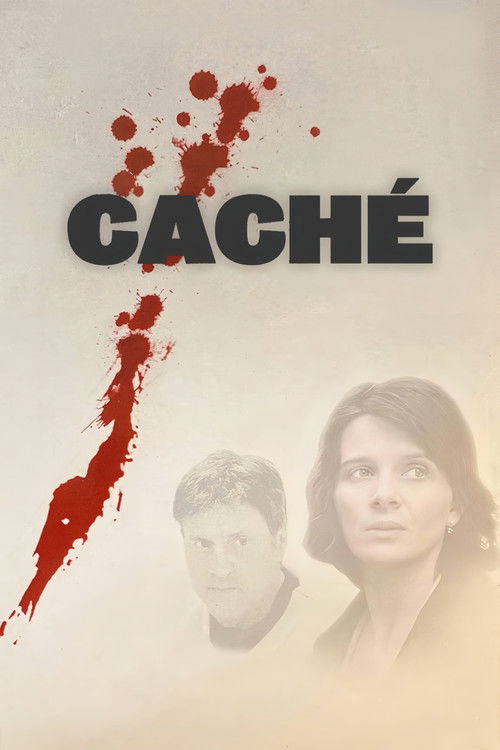
Caché is a film that thrives on discomfort and ambiguity, making you question both the story and the characters involved. While Michael Haneke has crafted a compelling narrative full of tension, it occasionally stumbles into the realm of self-indulgence.
Thought-Provoking Yet Flawed
Caché is an intriguing piece that successfully raises uncomfortable questions while painting a portrait of guilt and surveillance. Though it suffers from pacing issues and occasionally frustrating ambiguity, its strengths lie in its performances and direction. It's worth a watch, especially if you're in the mood for a film that prompts self-reflection.
Film DNA
The radar scores reflect a film rich in narrative depth and originality, but with a visual impact that may not resonate with everyone. Emotional engagement is strong but can be intermittently undermined by pacing issues.
Pros
- Intriguing themes of guilt and surveillance
- Strong lead performances
Cons
- Pacing can be slow and tedious
- Some characters feel underdeveloped
For Fans of Slow Cinema
Caché is tailored for viewers who appreciate cerebral films rich in subtext and moral ambiguity. Fans of slow cinema or psychological thrillers will likely find the film rewarding, as it offers a deep dive into themes of guilt and societal complicity. However, those seeking fast-paced, action-driven narratives will likely be left frustrated and disengaged. It’s a film that demands patience and thought, so if you prefer straightforward storytelling or neatly tied-up endings, this is probably not for you.
A Fractured Family Mystery
In Caché, Georges Laurent (Daniel Auteuil), a prominent television host, begins receiving unsettling videotapes that show him and his family in their private moments. These tapes, coupled with cryptic drawings, hint at a hidden past that Georges wishes to forget. As the mystery unfolds, it becomes increasingly clear that the sender has a deep-seated knowledge of Georges’ life, leading to an exploration of guilt, paranoia, and the consequences of unresolved histories. The film's slow-burn narrative builds a tense atmosphere, though it can leave viewers yearning for clearer resolutions as it progresses.
Strong Performances, Missed Depth
Daniel Auteuil delivers a strong performance as Georges, effectively portraying a man grappling with fear and guilt. Juliette Binoche as Anne, his wife, offers a subtle counterbalance, but her character feels underdeveloped and often sidelined. The supporting cast, including Maurice Bénichou as Majid, serves to deepen the film's tension, yet some characters lack the necessary depth, leaving their motivations frustratingly vague. The emotional weight of the performances carries the film, but one can't help but feel some characters, especially Anne, deserved more screen time to fully realize their arcs.
Minimalism That Provokes Thought
Michael Haneke's direction in Caché is marked by a minimalist, voyeuristic style that plays into the film's themes of surveillance and guilt. He employs long takes and static shots, creating an uncomfortable intimacy that enhances the plot's tension. However, the pacing can feel sluggish, sometimes testing the audience's patience as scenes linger longer than necessary. While the deconstructed visual language is refreshing, it may alienate viewers who prefer a more conventional storytelling approach. The cinematography effectively captures the Parisian landscape, yet it often feels more like a backdrop than an integral part of the story.
Tension with a Side of Frustration
Watching Caché is an exercise in discomfort; the pervasive sense of dread and anxiety leaves a lasting impression, but at times, it borders on frustrating. There are moments where the film's pace drags, making it hard to remain engaged. The film's ambiguous nature can also produce a sense of disconnection, as viewers might find themselves grappling with unresolved questions rather than experiencing a payoff. While some will appreciate the open-endedness as a thought-provoking feature, others might find it a source of irritation. The emotional impact is strong, but it requires a willingness to embrace uncertainty.
Watch if you liked: The Lives of Others, Funny Games





No comments yet. Be the first to share your thoughts!