Genres
Movie Overview & Analysis
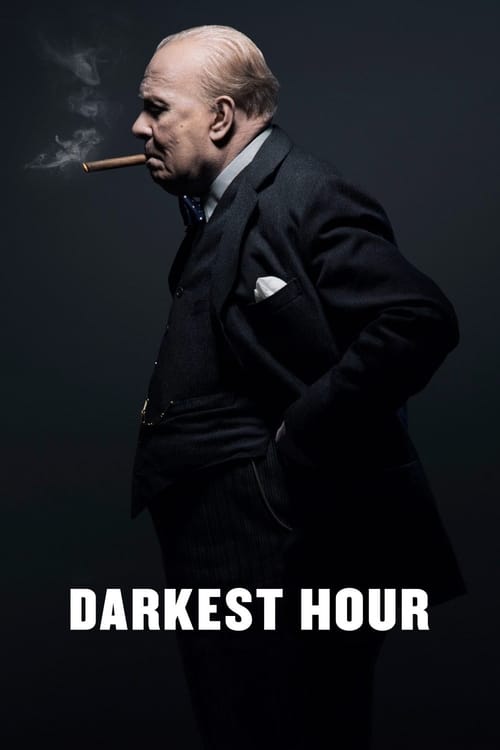
If you're looking for a historical drama that steps into the shoes of Winston Churchill during one of Britain’s most perilous moments, 'Darkest Hour' might just fit the bill. However, be prepared for the pacing to drag at times, as it meanders through the political landscape of World War II.
A Strong Performance, Mixed Execution
'Darkest Hour' is a strong film buoyed by Gary Oldman's outstanding performance, capturing the tension of a pivotal moment in history. However, its uneven pacing and underdeveloped supporting characters hold it back from truly shining. It's worth a watch for history buffs, but those seeking a more dynamic narrative might want to look elsewhere.
Film DNA
The radar scores reflect a film that excels in visual impact and depth of story, but struggles with pacing and emotional engagement at times. It's engaging enough for a one-time watch, though it may not hold up to repeated viewings.
Pros
- Strong performance from Gary Oldman
- Impressive visual style capturing the era
Cons
- Pacing issues and some dull stretches
- Underdeveloped supporting characters
For Historical Drama Enthusiasts
'Darkest Hour' appeals to those who appreciate historical dramas and are interested in the intricacies of political leadership during turbulent times. If you're a fan of biographical films that take their time to unfold, this may resonate with you. However, viewers looking for a fast-paced, action-oriented experience or those uninterested in political discourse will likely find themselves disengaged. The film's slower pacing and focus on dialogue-heavy scenes mean it won’t suit everyone’s taste, especially casual viewers seeking entertainment rather than reflection.
Churchill's Critical Decision
'Darkest Hour' centers around Winston Churchill, portrayed by Gary Oldman, during a critical juncture in May 1940. As the threat of Nazi Germany looms large, Churchill grapples with the daunting decision of whether to negotiate with Adolf Hitler or rally the British people to fight on. The film explores the complexities of political maneuvering, the pressure from his peers, and the rising tension within the government, particularly from figures like Viscount Halifax. Interspersed with moments of personal reflection, the narrative paints a picture of a man confronting his own doubts while leading a nation teetering on the brink of collapse.
Oldman Shines, Supporting Cast Falters
Gary Oldman delivers a commendable performance as Churchill, fully immersing himself in the role with an impressive transformation both physically and vocally. However, some of the supporting characters, like Stephen Dillane as Viscount Halifax, feel underdeveloped, with their motivations and conflicts not fully explored. Lily James, as Churchill's secretary Elizabeth Layton, provides a gentle contrast to Churchill's strong persona but lacks significant screen time, which leaves her character feeling a bit one-dimensional. Overall, while Oldman's portrayal stands out, the supporting cast could have been fleshed out more.
A Darkly Lit Landscape
Directed by Joe Wright, 'Darkest Hour' presents a visually rich tapestry of 1940s London, utilizing dark tones and shadowy lighting to accentuate the weight of the decisions at hand. The cinematography is striking, with tight close-ups that draw the viewer into the emotional turmoil of Churchill. However, the pacing occasionally falters, especially in the second act, where some scenes linger longer than necessary. The film's editing could have cut back on these moments to maintain a more engaging rhythm. While the visuals are impressive, they sometimes contribute to a sluggish narrative that tests patience.
Weighty but Drags at Times
Watching 'Darkest Hour' is a mixed bag. The weight of history feels pressing, and Oldman's performance evokes a range of emotions—from admiration to frustration. Yet, there are significant moments where the film drags, particularly during drawn-out political discussions that feel repetitive. While the emotional beats are present, they can be overshadowed by the film's slower sections, leaving viewers fidgeting in their seats at times. It’s a film that demands attention but might also prompt some eye-rolling at its more tedious moments.
Watch if you liked: The King's Speech, Bridge of Spies


No comments yet. Be the first to share your thoughts!