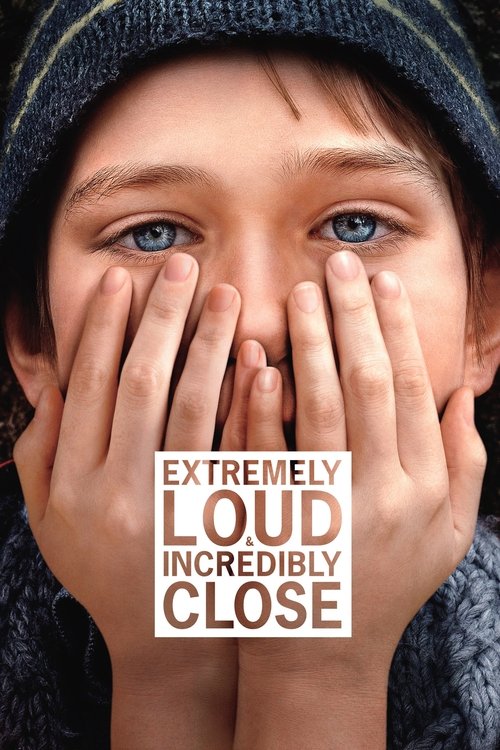
Genres
Movie Overview & Analysis
This film attempts to tackle profound themes of grief and loss but often stumbles under the weight of its ambitions. While it has its moments, 'Extremely Loud & Incredibly Close' struggles with pacing and character believability.
A Bit Overstuffed
While it bravely tackles tough themes, 'Extremely Loud & Incredibly Close' struggles with uneven pacing and character development. The film is worth a watch for its heartfelt intentions, but it ultimately falls short of delivering a truly impactful experience.
Film DNA
The scores suggest a film that has depth and originality but struggles with emotional impact and entertainment value. It may resonate for its subject matter but lacks the execution to keep it engaging.
Pros
- Strong performances from the leads
- Unique premise with potential for depth
Cons
- Pacing issues lead to moments of boredom
- Underdeveloped characters detract from emotional resonance
For Grief Seekers
This film might appeal to audiences who are drawn to narratives about loss and the complexities of personal grief, particularly those who appreciate a good family drama. However, viewers who prefer straightforward storytelling or fast-paced plots may find 'Extremely Loud & Incredibly Close' frustratingly slow and overly sentimental. If you're not interested in films that challenge emotional boundaries or dissect grief, this one probably isn't for you.
A Boy's Search for Closure
Set in the aftermath of 9/11, the film follows Oskar Schell, a precocious boy grappling with the loss of his father, played by Tom Hanks. After discovering a mysterious key he believes his father left for him, Oskar embarks on a scavenger hunt across New York City, hoping to find the lock it belongs to. Along the way, he meets various characters who share their own stories of loss and resilience. The narrative is interspersed with flashbacks, revealing the relationship between Oskar and his father while ultimately exploring themes of connection and healing in the darkest of times.
Performances That Shine and Falter
Young Thomas Horn delivers a commendable performance as Oskar, though it sometimes feels like he’s teetering on the edge of caricature. Tom Hanks is notably strong in his limited role as the father, but his time on screen feels too brief to make a lasting impact. Sandra Bullock plays Oskar’s grieving mother but often ends up feeling underdeveloped and lacking depth. Some supporting characters, like Max von Sydow’s Renter, provide intriguing moments but could have benefited from more backstory to enhance their emotional weight in the narrative.
Visuals That Aim High
Stephen Daldry’s direction aims for emotional resonance but often leans too heavily on sentimentality. The visual style of the film is a mixed bag; some scenes are beautifully shot, showcasing the vibrant chaos of New York, while others feel a bit cluttered and unfocused. The use of color and light attempts to mirror Oskar’s emotional landscape but at times comes off as gimmicky. The editing could have been tighter, as the film drags in certain areas, causing it to lose momentum during its more poignant sequences.
Lost in Emotion
The film aspires to evoke a range of emotions but can feel heavy-handed in its approach. While there are moments that genuinely tug at the heartstrings, the pacing issues result in stretches of monotony where the audience’s engagement wanes. Oskar’s quest, which should feel urgent and poignant, often meanders into territory that feels convoluted or forced. The emotional beats, rather than flowing naturally, sometimes come across as contrived, leaving viewers more confused than moved by the end.
Watch if you liked: The Pursuit of Happyness, A Monster Calls




No comments yet. Be the first to share your thoughts!