Genres
Movie Overview & Analysis
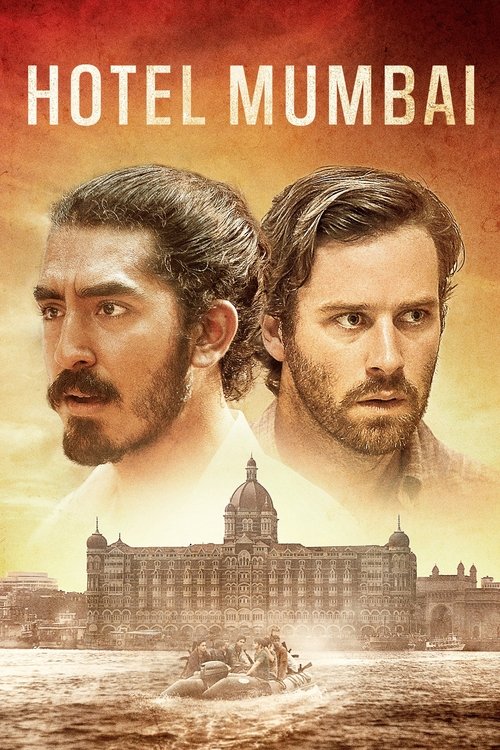
Hotel Mumbai serves as a harrowing reminder of real-life terror, even if it occasionally falls into the traps of melodrama. While the film captures the chaos of the 2008 attacks, its execution can feel uneven at times.
Almost Hits the Mark
Hotel Mumbai succeeds in creating a tense atmosphere and features strong performances, but it ultimately suffers from pacing issues and some underdeveloped characters. While it effectively conveys the horror of the tragic events, it doesn't quite reach its full potential, leaving viewers both moved and frustrated.
Film DNA
The radar scores reflect a film that excels in visual impact and story depth but falters in emotional weight and rewatchability. It's entertaining but might not hold up to multiple viewings.
Pros
- Strong performances from Dev Patel and Anupam Kher
- Tense atmosphere and effective cinematography
Cons
- Pacing issues that lead to moments of boredom
- Some characters feel underdeveloped and clichéd
Intense Drama Seekers Only
This film is meant for those who appreciate dramatizations of real-life events and can handle the heavy themes of terrorism and survival. However, if you're seeking a purely entertaining thriller with non-stop action, you might find this offering unsatisfactory. Viewers who dislike slow burns or heavy emotional content will likely find Hotel Mumbai frustrating, as it requires patience to navigate its emotional landscape and narrative pace. Fans of political dramas might enjoy it, but casual moviegoers may want to skip it.
The Siege of the Taj
Set against the backdrop of the tragic 2008 terrorist attacks in Mumbai, this film focuses on the siege of the Taj Mahal Palace Hotel. Guests and staff, such as Arjun (Dev Patel) and chef Hemant Oberoi (Anupam Kher), must grapple with the immediate threat of violence and make harrowing choices to survive. As chaos unfolds outside, personal stories intertwine, showcasing both the courage and fear that emerges in life-or-death situations. The film aims to portray not just the horror, but also the resilience of the human spirit in the face of brutality.
Performances Under Pressure
The performances in Hotel Mumbai range from compelling to pedestrian. Dev Patel brings a certain earnestness to his role as Arjun, effectively portraying the character's struggle. However, Armie Hammer, playing David, feels underutilized, often relying on a generic 'family man' trope that lacks depth. Tilda Cobham-Hervey as Sally and Nazanin Boniadi as Zahra fare better, managing to inject some emotional weight into their performances. Though the ensemble cast offers moments of authenticity, the dialogue at times feels stilted, which detracts from their efforts.
Tense Direction, Uneven Execution
Anthony Maras’ direction walks a fine line between tension and theatrics. The film's cinematography captures the chaos well, particularly during the attack scenes, with tight framing that heightens the sense of claustrophobia. Yet, some visual choices lean too heavily on dark tones that might confuse rather than clarify the action unfolding. Pacing becomes an issue as the middle drags slightly, veering into repetitive territory that dampens the initial excitement. Ultimately, while the visuals effectively depict horror, they sometimes overshadow character development.
Tension with Moments of Lull
Watching Hotel Mumbai is an emotional rollercoaster, yet not always for the right reasons. The film's intensity is palpable, especially in the opening scenes, but it loses momentum as it progresses. Moments of boredom creep in during lengthy exposition and repetitive action sequences. While the intent is to build suspense and convey the gravity of the events, the pacing falters, leading to scenes that feel dragged out. It can be hard to stay invested when the film oscillates between gripping and monotonous.
Watch if you liked: United 93, Hotel Rwanda








No comments yet. Be the first to share your thoughts!