Genres
Movie Overview & Analysis
Money Monster tries to blend a high-stakes hostage scenario with commentary on financial markets, but ends up feeling like a missed opportunity. While it has its moments of tension, they often feel overshadowed by predictable plot points and rushed character development.
Missed Opportunities
Overall, Money Monster has a strong premise and a capable cast but stumbles in execution. It’s entertaining enough to pass the time but ultimately feels like it could have delivered much more than it actually does.
Film DNA
The radar scores reflect a film that has some entertaining elements but ultimately lacks depth and emotional resonance. With a mix of originality and entertainment, it’s decent but far from a standout.
Pros
- Strong performances from Clooney and Roberts
- Interesting premise with real-world relevance
Cons
- Lack of character depth and development
- Pacing issues that detract from tension
A Niche Appeal
Money Monster might appeal to viewers interested in financial dramas or those who enjoy George Clooney and Julia Roberts' star power. However, those seeking a tightly plotted thriller or a deeper exploration of financial ethics will likely be disappointed. The film's pacing and lack of character development may alienate those who prefer thoughtful narratives over sensationalism. Fans of traditional hostage thrillers may find it enjoyable, but it may not satisfy audiences looking for a fresh perspective on the genre.
Tension in the Financial Spotlight
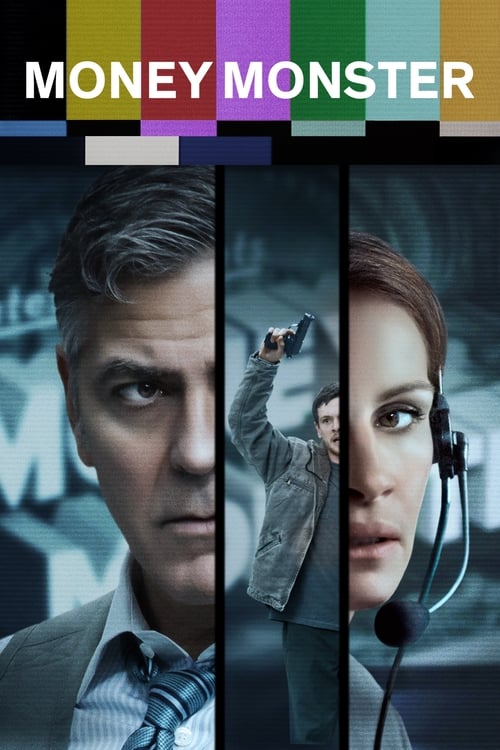
At its center, Money Monster revolves around Lee Gates, a flamboyant financial TV host, and his producer, Patty Fenn. Their lives take a dramatic turn when an angry investor, Kyle Budwell, takes them hostage during a live broadcast. Kyle, having lost everything due to dubious stock advice from Lee, demands answers, putting the duo in a race against time to understand his plight and prevent a tragic outcome. The backdrop of Wall Street and the financial crisis adds a layer of relevance, yet the film often gets bogged down in exaggerated theatrics rather than meaningful commentary.
A Mixed Bag of Performances
George Clooney brings his usual charm to the role of Lee Gates, portraying a mix of bravado and vulnerability. Julia Roberts as Patty offers a strong counterbalance, though her character sometimes feels like a cliché of the supportive female role. Jack O'Connell's performance as Kyle is intense but lacks depth—a missed opportunity to flesh out the character's backstory. The supporting cast, including Dominic West as the absent CEO, doesn’t get enough screen time to make a lasting impact, leaving viewers wanting more from these intriguing characters.
Direction That Misses the Mark
Jodie Foster's direction attempts to inject urgency into the narrative but often results in a disjointed visual style. The film oscillates between handheld camera work during tense moments and static shots that feel uninspired. While the New York City backdrop should offer a dynamic vibe, it sometimes feels underutilized, lacking the vibrancy that could enhance the story. The pacing also suffers, with moments of tension giving way to drawn-out dialogues that derail the urgency built up earlier in the film.
Uneven Emotional Engagement
Watching Money Monster is a mixed experience. There are moments where the tension is palpable, especially when the hostages try to negotiate their way out of a dire situation. However, the film often loses momentum, with long stretches of dialogue that dwell too much on the financial backstory instead of focusing on character dynamics. The emotional beats sometimes feel forced, leading to frustration when the film could have easily delivered genuine connection. Overall, the film lacks the emotional depth necessary to make the viewer truly care about the outcome.
Watch if you liked: The Big Short, Inside Man









No comments yet. Be the first to share your thoughts!