Genres
Movie Overview & Analysis
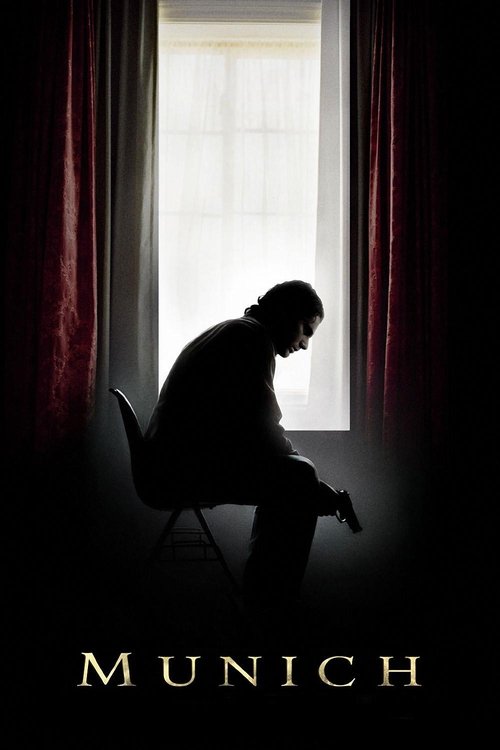
Munich is a tense historical drama that reflects on the consequences of violence and the impact of trauma. Directed by Steven Spielberg, the film captures a dark chapter in history that's both unsettling and thought-provoking.
A Thoughtful Experience
Munich is a solid film that effectively tackles a sensitive subject matter with care and depth. While it has minor pacing issues and underdeveloped characters, it ultimately engages the viewer in a meaningful conversation about revenge, justice, and the cost of violence.
Film DNA
The scores indicate Munich excels in story depth and visual impact, while its emotional weight is substantial, making it a serious yet rewarding watch. However, lower rewatchability suggests it may not appeal to everyone equally.
Pros
- Strong performances from the cast
- Thought-provoking themes and depth
Cons
- Some pacing issues
- Underdeveloped supporting characters
Target Audience Insight
Munich is likely to resonate with audiences who appreciate historical dramas and politically charged narratives. Fans of Spielberg's work will find familiar themes regarding the moral complexities of violence and justice. However, those looking for fast-paced action or light-hearted entertainment may want to skip this film, as it is more focused on character development and moral dilemmas than on high-octane sequences. Additionally, viewers who are sensitive to themes of terrorism and violence might find parts of it challenging.
Mission for Justice
Set against the backdrop of the 1972 Munich Olympics, the film follows Avner Kaufman (Eric Bana), a Mossad agent tasked with avenging the murder of eleven Israeli athletes by a Palestinian terrorist group. The narrative unfolds as Avner and his team, including characters played by Daniel Craig and Ciarán Hinds, embark on a covert mission to track down and eliminate those responsible. As they navigate the moral implications of their actions, the line between justice and vengeance becomes increasingly blurred. The story grapples with themes of identity, loss, and the cyclical nature of violence, making it a gripping watch from start to finish.
Strong Performances Overall
Eric Bana delivers a strong performance as Avner, portraying the character’s internal conflict with nuance. Supporting performances by Daniel Craig and Ciarán Hinds also stand out, each adding layers to the emotional weight of the mission. However, some characters seem underutilized; for instance, Ayelet Zurer as Daphna feels somewhat sidelined and does not receive the development her character deserves. Overall, the cast works well together, effectively capturing the tension and moral dilemmas involved in their mission.
Realism and Tension
Steven Spielberg's direction in Munich is marked by a steady pace and a focus on realism, which adds to the film’s emotional depth. The cinematography captures the stark contrasts between the vibrant Olympic setting and the grim realities of the assassination missions. Spielberg's use of light and shadow enhances the tension, while the editing remains sharp, keeping viewers engaged throughout the film’s lengthy runtime. However, some scenes may feel prolonged, which could test the patience of viewers less invested in the political intricacies.
Heavy but Reflective
Watching Munich can be a heavy experience, as it doesn’t shy away from depicting the harsh realities of conflict and the toll it takes on individuals involved. There’s a palpable sense of dread and moral ambiguity, as Avner wrestles with the repercussions of his actions. The film manages to create an atmosphere of anxiety that lingers, encouraging viewers to reflect on the broader implications of violence. While it offers moments of intense engagement, the darker themes may not sit well with everyone, creating a complex viewing experience.
Watch if you liked: Atonement, The Lives of Others







No comments yet. Be the first to share your thoughts!