Genres
Movie Overview & Analysis
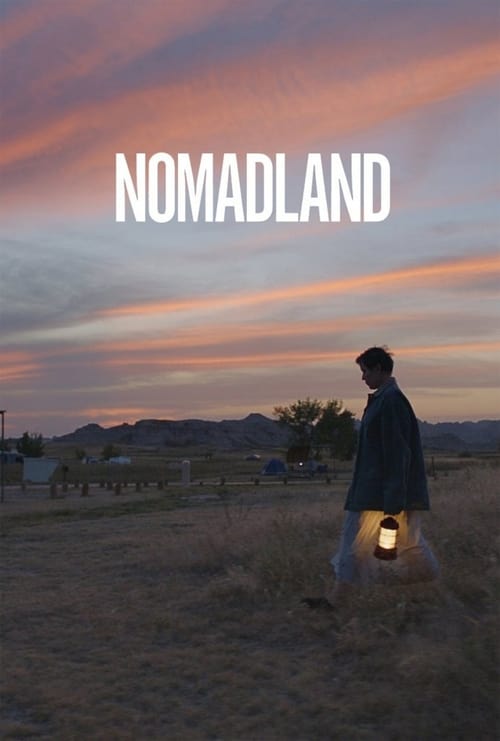
Nomadland presents a moving portrayal of a woman navigating life after loss. With its intimate storytelling and grounded performances, it offers a reflective experience.
A Profound Cinematic Experience
Overall, Nomadland presents a thoughtful examination of life on the fringes of society, anchored by strong performances and beautiful visuals. While its pacing may not appeal to everyone, the film succeeds in offering a contemplative experience.
Film DNA
The scores indicate a film rich in story depth and visual impact, though with moderate emotional weight and rewatchability. Its originality and entertainment value contribute to a well-rounded experience.
Pros
- Strong central performance by McDormand
- Beautiful cinematography capturing the landscape
Cons
- Pacing may feel slow for some
- Underdeveloped supporting characters
Ideal for Introspective Viewers
Nomadland is likely to resonate with viewers who appreciate character-driven stories and a slower narrative style. Those who enjoy contemplative films that reflect on life’s challenges and the human spirit will likely find it rewarding. Conversely, those who prefer fast-paced action or intricate plots might struggle with its pacing. It’s a film best suited for viewers looking to engage with themes of resilience, community, and personal growth, rather than traditional cinematic thrills.
A Journey of Resilience
The film follows Fern, played by Frances McDormand, a woman in her sixties who loses everything in the Great Recession. She embarks on a journey across the western United States, adopting a nomadic lifestyle in her van. As she meets fellow nomads and confronts her past, the film explores themes of resilience, community, and the search for belonging. The narrative unfolds gently, allowing viewers to connect with the characters and their struggles. Through Fern’s eyes, we witness the beauty and harshness of life on the road, as well as the poignant moments that remind us of what it means to truly live.
Genuine Performances Shine
Frances McDormand's performance as Fern is the standout, bringing a depth to the character that feels both authentic and relatable. David Strathairn as Dave adds warmth to the story, while the real-life nomads, like Linda May and Swankie, provide a genuine touch to the film. However, some characters, particularly those who appear briefly, feel underdeveloped, which slightly detracts from the overall immersion. While the focus on Fern serves the narrative well, a more in-depth exploration of the supporting cast could have enhanced the emotional landscape.
A Thoughtful Visual Approach
Chloé Zhao’s direction is characterized by its understated yet effective storytelling style. The cinematography captures the vast, haunting beauty of the American landscape, contrasting moments of solitude with the intimate experiences of nomadic life. Zhao’s choice to include real-life nomads adds authenticity, making the cinematography feel less like a backdrop and more like a character itself. The pacing is slow but deliberate, inviting viewers to reflect rather than rush through the plot. Yet, some might find the leisurely pace a bit too drawn out, impacting engagement at times.
Reflective and Bittersweet
Watching Nomadland feels like an emotional journey through grief and healing. The atmosphere is both calming and reflective, evoking a sense of wanderlust intertwined with the bittersweet reality of Fern’s life. The film does an admirable job of portraying the struggles faced by those living on the fringes of society. Moments of quiet joy and connection are contrasted with scenes of isolation, creating a balanced emotional weight. While it might not hit every viewer in the same way, there’s a resonant quality that may linger long after watching.
Watch if you liked: The Florida Project, Little Woods




No comments yet. Be the first to share your thoughts!