Genres
Movie Overview & Analysis
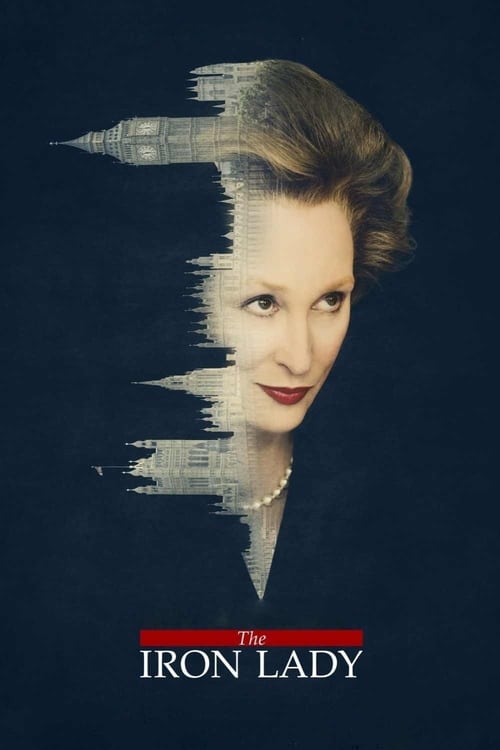
The Iron Lady attempts to shed light on the life of one of the most controversial figures in British politics. While Meryl Streep delivers a commendable performance, the film struggles to provide a gripping narrative amidst its historical context.
A Complex Figure, A Simple Film
The Iron Lady provides a well-acted look at the life of Margaret Thatcher but is hampered by pacing issues and a lack of depth in its storytelling. While Streep shines in her role, the film struggles to balance personal and political elements effectively.
Film DNA
The scores reveal a film that is moderately engaging but doesn't delve deeply enough into its subject matter. While Streep's performance elevates the film, pacing issues and a scattered narrative reduce its rewatchability.
Pros
- Meryl Streep's strong performance
- Interesting historical perspective
Cons
- Pacing issues lead to dull moments
- Underutilization of supporting characters
For Political History Buffs
This film may resonate with those interested in political history or fans of Meryl Streep looking for her dramatic range. However, anyone expecting a straightforward political biopic focusing on Thatcher's policies and their implications might find themselves disappointed. The Iron Lady skirts around the more contentious aspects of her tenure, making it less appealing to viewers wanting a critical examination of her legacy. Moreover, those who prefer fast-paced narratives or character-driven plots might find the slower scenes tedious.
A Political Life Unfolds
The Iron Lady offers a glimpse into the complex life of Margaret Thatcher, the United Kingdom's first female Prime Minister. Focused on both her political ascent and the personal sacrifices she made along the way, the film intersperses flashbacks of her past with her present-day struggles with Alzheimer’s disease. While it aims to humanize an iconic yet polarizing figure, the narrative often feels scattered, failing to fully explore the nuances of her policies and the impact they had on the nation. Instead, it hovers around her relationship with her husband, Denis, and her role as a mother, which at times feels like a missed opportunity.
Streep’s Standout Performance
Meryl Streep’s portrayal of Margaret Thatcher is undoubtedly the film's strongest aspect, earning her an Oscar for her effort. She embodies Thatcher's quirks and mannerisms effectively, making her performance memorable. However, Jim Broadbent, as Denis Thatcher, feels more like a supportive character than a fully fleshed-out partner, leaving a void that dampens some emotional moments. Meanwhile, Olivia Colman's role as Carol Thatcher is underused, missing the chance to explore their mother-daughter dynamic more deeply. The supporting cast does their job, but there’s a lack of complexity that could have added depth to the story.
Muted Tones, Uneven Pacing
Phyllida Lloyd’s direction, while competent, doesn't elevate the material in a significant way. The film's pacing is erratic; scenes that could build tension or provide insight often drag, contributing to a sense of disconnection. Visually, the film employs a muted color palette that serves to highlight the somber themes, but the cinematography lacks the striking moments that could transform historical drama into an engaging visual narrative. The editing is sometimes choppy, jumping between time periods in a way that can confuse rather than clarify the overall arc of Thatcher’s life.
Engaging Yet Frustrating
Watching The Iron Lady is a mixed experience. There are poignant moments, particularly when reflecting on Thatcher's personal struggles, but they often feel overshadowed by a slower pace and uneven storytelling. Instead of a deep dive into the complexities of her legacy, viewers are left with surface-level portrayals that can lead to frustration. While the film occasionally elicits sympathy for Thatcher's human frailty, it also risks losing the viewer's interest with its less dynamic moments. At times, it feels like a missed chance to engage with the audience on a deeper emotional level.
Watch if you liked: The Queen, Selma





[…] if you liked: The Iron Lady, […]