Genres
Movie Overview & Analysis
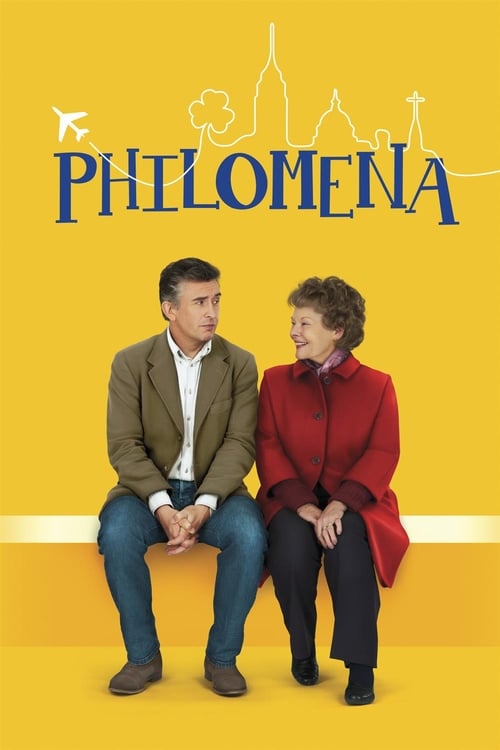
Philomena is an emotionally charged tale that balances humor with deep-seated sorrow. While it delivers some powerful moments, it occasionally drags its feet when it could have sprinted.
A Worthwhile Emotional Experience
Philomena has much to offer in terms of emotional impact and strong performances, particularly from Judi Dench. Its shortcomings in pacing and some characterizations prevent it from fully realizing its potential, but it remains a worthwhile watch for those who enjoy introspective dramas.
Film DNA
The radar scores reveal a film with solid emotional depth and storytelling, although its visual impact and pacing hinder its overall rewatchability and entertainment value.
Pros
- Judi Dench's powerful performance
- Thoughtful exploration of complex themes
Cons
- Pacing issues in the middle act
- Some supporting characters feel underdeveloped
A Select Audience
Philomena is likely to resonate with audiences who appreciate character-driven dramas centered around themes of loss, redemption, and forgiveness. Fans of Judi Dench will find her performance a compelling reason to watch. However, those who prefer fast-paced narratives or action-packed dramas will likely find this film painfully slow. Additionally, viewers looking for a more conventional biopic might be frustrated by its quirky humor and digressive storytelling choices.
A Mother’s Heartfelt Search
At the heart of Philomena is the poignant story of a mother, played by Judi Dench, who embarks on a quest to find her son, taken from her as a child by a convent. Set against the backdrop of Ireland and the oppressive religious culture, Philomena's journey is filled with both heartache and quirky humor. Accompanied by Martin Sixsmith, a journalist portrayed by Steve Coogan, their dynamic offers both tension and levity. As they traverse from Ireland to the U.S., the film candidly reveals the moral complexities of adoption, faith, and forgiveness, showcasing the lengths a mother will go to in reclaiming her lost child.
Strong Performances, Mixed Characters
Judi Dench delivers a heartfelt performance as Philomena, embodying the character’s vulnerability and resilience with grace. Steve Coogan as Martin complements her well, providing a balance of skepticism and warmth, though his character occasionally feels underdeveloped. The supporting cast, including Sophie Kennedy Clark as Young Philomena, adds depth, but some roles, like Sister Hildegarde played by Barbara Jefford, feel more caricatured than fully fleshed out. Yet, it's Dench's emotional depth that shines through, effectively carrying the film even when the narrative falters.
Simple Direction, Uneven Pacing
Director Stephen Frears adopts a straightforward yet effective style that often allows the story to unfold naturally. The cinematography captures the contrasting locales—from the stark, almost claustrophobic convent to the vibrant streets of Washington, D.C.—though it rarely ventures beyond functional visuals. The pacing, particularly in the middle act, struggles to maintain momentum, leading to moments that feel overly drawn out. While the film isn’t visually groundbreaking, its simplicity allows the narrative and performances to take center stage, which is both a strength and a limitation.
Emotional Highs and Pacing Lows
Watching Philomena can be a rollercoaster of emotions—there are moments of laughter juxtaposed with deep sadness that truly resonate. However, the film's pacing issues occasionally disrupt the flow, leaving you restless as it lingers on scenes that could have been tighter. While the emotional weight is present, some viewers may find themselves yearning for a more kinetic experience. The film successfully evokes empathy but also tests patience, especially during certain drawn-out scenes that can seem unnecessarily prolonged.
Watch if you liked: The Blind Side, Philippe Petit: Man on Wire






No comments yet. Be the first to share your thoughts!