Genres
Movie Overview & Analysis
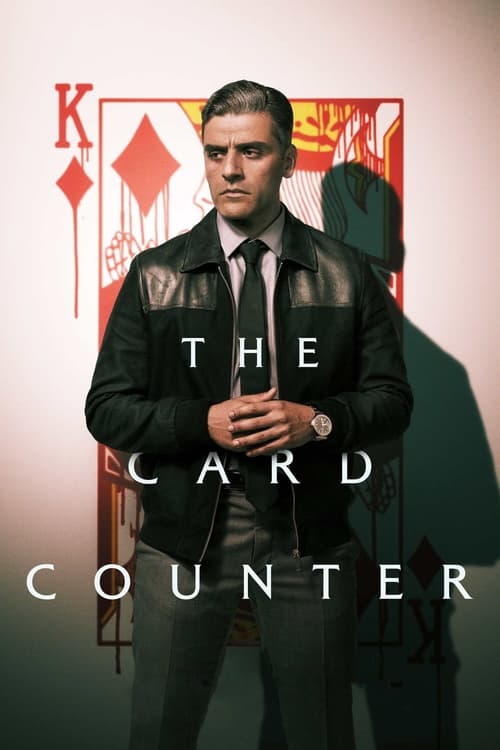
In Paul Schrader's "The Card Counter," we find ourselves in the world of gambling and regret. Oscar Isaac delivers a steady performance, but the film struggles to maintain momentum throughout its runtime.
An Interesting But Flawed Listen
Ultimately, "The Card Counter" has a lot of potential that feels unfulfilled. While it offers strong performances and some thought-provoking moments, the pacing issues and lack of character depth can detract from the experience. It's worth a watch for its thematic explorations but be prepared for a slow burn.
Film DNA
The radar scores reflect a film with solid visual artistry and unique themes, but uneven pacing and emotional depth limit its overall enjoyment. The originality is commendable, but the entertainment value suffers.
Pros
- Strong performances from Oscar Isaac
- Interesting exploration of guilt and redemption
Cons
- Pacing issues lead to boredom
- Some characters feel underdeveloped
Audience with Patience Needed
This film will resonate with those who appreciate character studies and slow-paced dramas, particularly those interested in the psychological aspects of gambling and military trauma. Fans of Schrader's previous work might find value in the thoughtful sequences. However, viewers who prefer plot-driven narratives or faster pacing will likely find this film frustrating. It's not for those looking for high-stakes excitement; instead, it caters more to a contemplative audience willing to sit with discomfort and murky emotions.
A Gambler's Redemption Quest
William Tell, played by Oscar Isaac, is a poker player who seems to have mastered the art of living on the fringes of society. His life takes a turn when Cirk, a troubled young man, seeks his guidance to plot revenge against a military officer. As their bond deepens, Tell sees an opportunity for redemption while grappling with the ghosts of his past. The film bounces back and forth between their interactions and Tell's memories from his time in a military prison, creating a layered narrative that ultimately aims to explore themes of guilt and atonement, though not always with clarity.
Characters on the Edge
Oscar Isaac shines as William Tell, embodying both the stoic gambler and a man haunted by his past. Tiffany Haddish, as La Linda, is underutilized and doesn’t quite bring the spark her character needs. Tye Sheridan gives a solid performance as Cirk, but his character often feels like a vehicle for Tell's journey rather than a fully fleshed-out individual. Willem Dafoe’s Gordo appears sporadically, leaving viewers wishing for more depth in his role. The cast does what they can, yet some performances feel disconnected, which detracts from the overall emotional impact.
Cinematography with Grit
Schrader’s direction is marked by a meditative pace, which sometimes works but often leads to sluggishness. The film is visually striking, with a muted color palette that evokes a sense of despair and detachment. The casino settings are well-shot, capturing the stark contrast between the glitz of gambling and the darkness of Tell's internal struggles. However, the slow pacing can become tedious, making it hard to stay engaged. While some scenes are beautifully crafted, others feel drawn out, leaving viewers waiting for the plot to gain traction.
Pacing That Drags
Watching "The Card Counter" is like playing a hand of poker: there are moments that feel like a winning streak and others that are painfully dull. The weight of the themes—guilt, redemption, and the impact of violence—could have been profound, yet the execution too often falls flat, leading to stretches of boredom. The film has its emotionally charged moments, particularly in Tell's flashbacks, but they occasionally get overshadowed by a languid pace and excessive introspection. The weight of emotional stakes is often diluted, leaving one feeling more detached than engaged.
Watch if you liked: The Master, First Reformed






No comments yet. Be the first to share your thoughts!