Genres
Movie Overview & Analysis
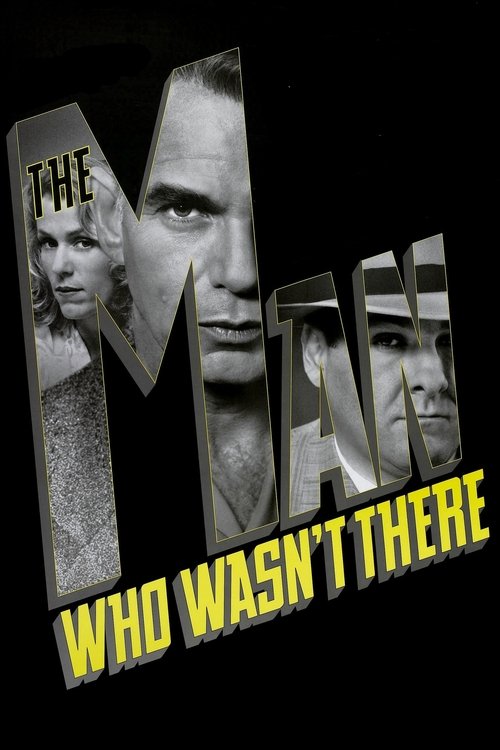
The Man Who Wasn't There isn't your typical crime drama. Joel Coen delivers a moody, black-and-white exploration of moral ambiguity, but it sometimes feels like it’s trying a bit too hard to be obscure.
Intriguing but Divisive
The Man Who Wasn't There is an intriguing exploration of existential despair cloaked in noir aesthetics. While it has its merits, particularly visually, its slow pacing and some underdeveloped characters may deter many viewers. Still, for those who appreciate the Coen brothers' unique storytelling, it’s worth giving a shot.
Film DNA
The scores reflect a film rich in visual style and originality but lacking in emotional engagement and pacing. While it captivates with its visuals, the storytelling may leave some viewers feeling underwhelmed.
Pros
- Striking black-and-white cinematography
- Unique exploration of moral ambiguity
Cons
- Pacing drags at times
- Underdeveloped characters
An Acquired Taste
This film is tailored for those who appreciate stylistic choices over mainstream storytelling. Fans of noir and Coen brothers' work will likely find value in its unique approach. However, viewers seeking fast-paced action or straightforward narratives will likely be left scratching their heads. It's not for casual moviegoers; rather, it caters to an audience willing to embrace its deliberate pacing and explore its philosophical inquiries. If you prefer films with more dynamic storytelling, you'd probably want to pass on this one.
A Barber's Dark Descent
Set in the summer of 1949, the film follows Ed Crane, a barber in a small California town who feels stuck in a mundane life. His marriage to Doris is strained due to her infidelity, and a chance encounter introduces him to a web of crime, murder, and insurance fraud. Ed's quiet desperation leads him down a dark path as he grapples with his own morality. The narrative unfolds slowly, offering glimpses into the lives of the people around him, including his enigmatic lover Birdy and the shady businessman Big Dave Brewster, ultimately leading to a dramatic climax that questions the lengths one will go to for change.
Performances in the Shadows
Billy Bob Thornton as Ed Crane delivers a understated yet compelling performance that captures the character's existential crisis. Frances McDormand as Doris serves as the flawed counterpart, but her character lacks sufficient depth, making her infidelity feel somewhat disconnected. The supporting cast, including James Gandolfini and Scarlett Johansson, deliver solid performances but don't have much to do beyond serving the plot. The characters sometimes feel underdeveloped, as if the narrative prioritizes style over substance, leaving audiences wanting more from their arcs.
Black-and-White Noir Style
Joel Coen's direction brings a distinctive aesthetic to the film with its striking black-and-white cinematography, which enhances the noir atmosphere. The slow pacing can be both a strength and a weakness; it creates tension but may test the patience of viewers looking for more action. Visual elements like shadows and framing are meticulously crafted, yet some scenes drag on longer than necessary, leading to moments where the viewer’s attention fades. The film's visual style is captivating at times, but it could have benefited from tighter editing to maintain engagement.
Slow Burn with Mixed Emotions
Watching The Man Who Wasn't There is an exercise in patience. The slow burn can lead to moments of introspection, but it also results in segments that feel like they meander without purpose. While the film does evoke a sense of melancholy and dread, there are times when it slips into boredom. Key emotional moments are undercut by a lack of connection to the characters, making it hard to feel invested in their fates. Overall, it’s a mixed bag in terms of emotional impact—thought-provoking at times, but occasionally frustratingly drawn out.
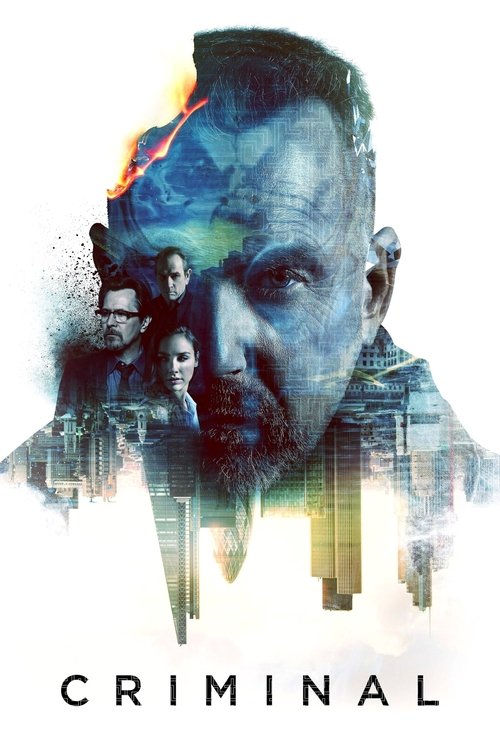
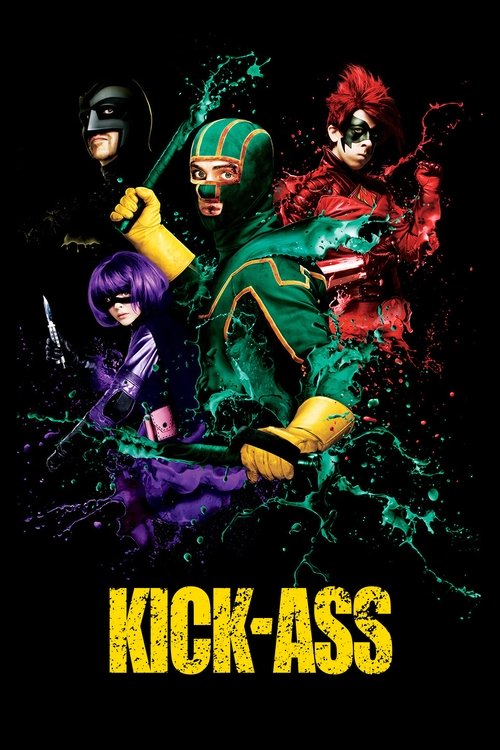
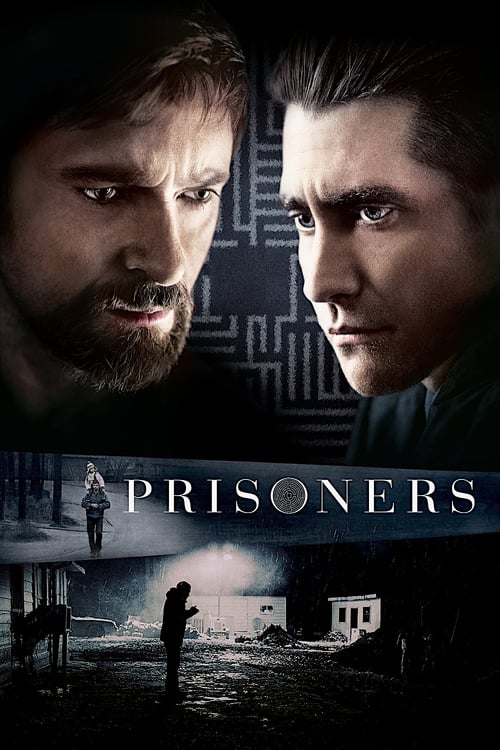
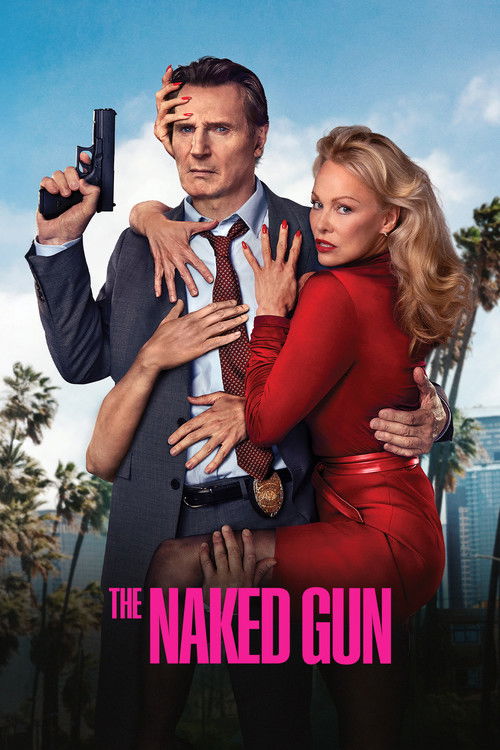
Watch if you liked: Fargo, The Big Lebowski


No comments yet. Be the first to share your thoughts!