Genres
Movie Overview & Analysis
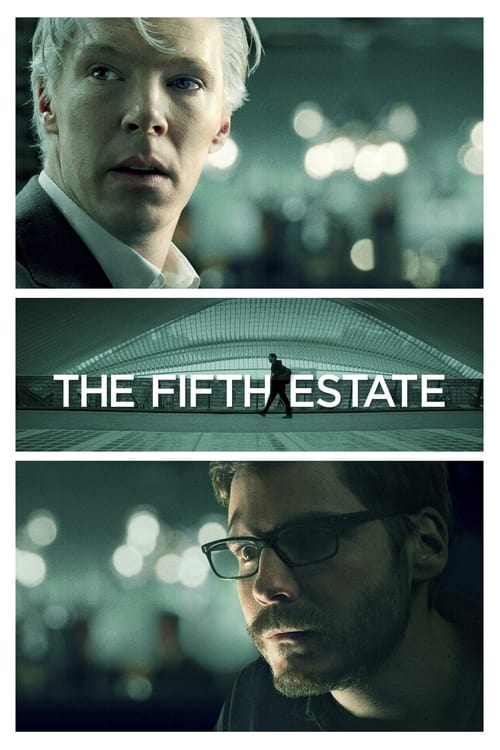
The Fifth Estate attempts to unravel the complex relationship between Julian Assange and Daniel Domscheit-Berg, but it often feels like it's just skimming the surface. While the film offers some intriguing insights into WikiLeaks, it struggles to maintain momentum.
Thoughtful, Not Thrilling
The Fifth Estate raises important questions about transparency and the price of truth but ultimately falls short of delivering a gripping narrative. While the performances shine in places, the film gets caught in its own slow pacing and uneven storytelling.
Film DNA
The radar scores reflect a film with solid originality and visual appeal but low emotional impact and rewatchability. It's engaging enough for a single view but lacks the depth and entertainment for multiple watches.
Pros
- Strong performances from Cumberbatch and Brühl
- Interesting themes around information and ethics
Cons
- Inconsistent pacing and editing
- Underdeveloped supporting characters
Niche Appeal
This film is best suited for those intrigued by real-life controversies and the digital age's ethical dilemmas. If you're a follower of WikiLeaks or interested in journalistic integrity, there's enough material here to pique your interest. However, viewers looking for a straightforward thriller or clear resolutions might be disappointed. The film's slow pacing and heavy reliance on dialogue may alienate those who prefer more action-driven storytelling. This is not a movie for everyone; if you enjoy quick cuts and rapid plot progression, steer clear.
WikiLeaks and Broken Trust
The film chronicles the tumultuous relationship between Julian Assange, played by Benedict Cumberbatch, and his former ally Daniel Domscheit-Berg, portrayed by Daniel Brühl. As WikiLeaks rises to prominence, the duo initially shares a vision of transparency and information freedom. However, as controversies mount and ethical dilemmas arise, their bond fractures. The narrative attempts to balance the thrilling aspects of whistleblowing with the personal dynamics of its characters, but it often gets bogged down in exposition, leaving viewers wanting more depth in both the story and the character arcs.
Performances with Mixed Impact
Benedict Cumberbatch delivers a committed performance as Julian Assange, capturing his enigmatic persona but occasionally veering into caricature. Daniel Brühl holds his own as Domscheit-Berg, bringing a relatable vulnerability but at times feels overshadowed by Cumberbatch's intensity. Anthony Mackie and Laura Linney provide solid supporting roles, though their characters are disappointingly underdeveloped, coming off as mere plot devices rather than fully fleshed-out individuals. The film would have benefitted from a deeper exploration of the ensemble cast instead of relying predominantly on the central duo.
Stylish but Disjointed
Bill Condon's direction navigates the film through various high-stakes scenarios, but it sometimes lacks the urgency these moments demand. The pacing feels inconsistent, with certain scenes dragging while others rush through critical developments. Visually, the film employs a slick, modern aesthetic that matches its tech-savvy subject matter. However, the editing choices occasionally distract from the narrative flow, making it hard to stay engaged. The use of flashbacks adds layers, but they often feel disjointed rather than cohesive, leaving the viewer feeling slightly lost.
Engagement vs. Monotony
Watching The Fifth Estate yields a mixed bag of emotions. Moments of genuine tension and moral ambiguity are counterbalanced by lengthy stretches of dialogue that test patience. While the film raises significant questions about privacy, accountability, and the price of information, it doesn't fully engage with these themes in a meaningful way. As a viewer, you might find yourself zoning out during the drawn-out explanations and wishing for a tighter narrative that keeps you invested in the characters’ conflicts, both personal and ideological.
Watch if you liked: The Fifth Estate, The Social Network
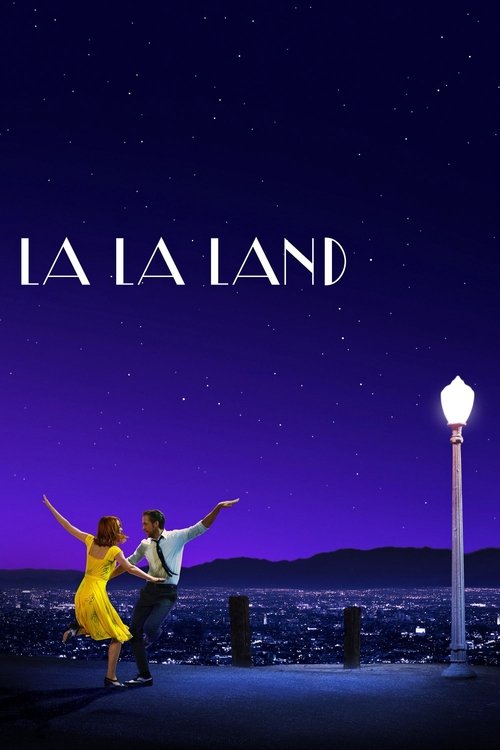
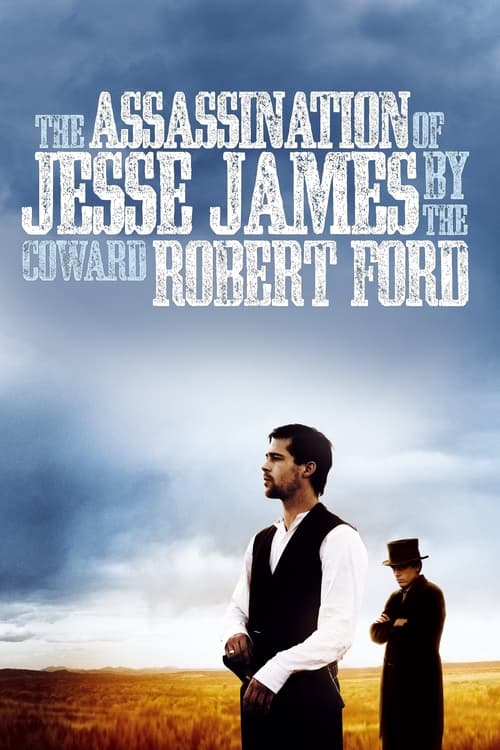
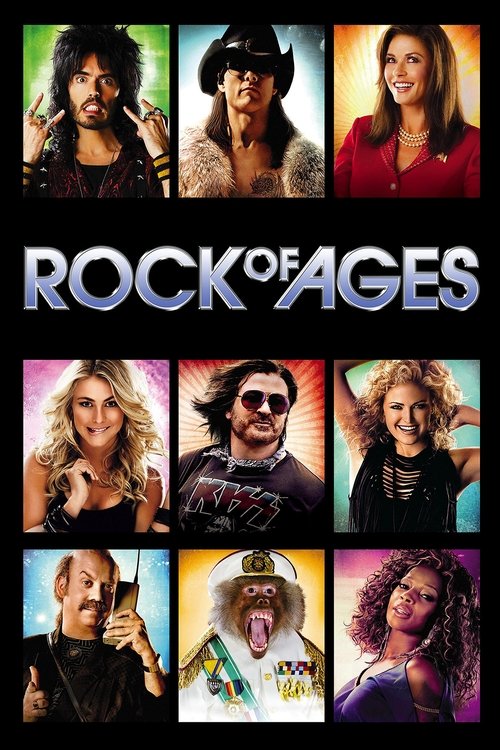



[…] if you liked: The Fifth Estate, […]