Genres
Movie Overview & Analysis
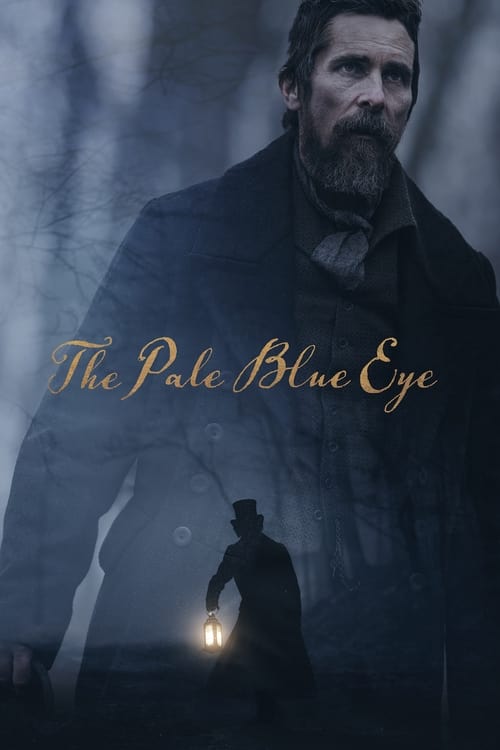
The Pale Blue Eye offers a mix of gothic horror and detective mystery set in the early 19th century. With a unique premise involving Edgar Allan Poe, it attempts to blend historical fiction with a murder investigation.
A Unique Tale Worth Watching
The Pale Blue Eye provides an intriguing blend of history and mystery, anchored by solid performances from its leads. While it has some pacing issues and underdeveloped characters, it ultimately offers a unique story that may resonate with fans of its genre.
Film DNA
The radar scores indicate a film with strong originality and a decent narrative depth, though it struggles with emotional weight and rewatchability. Visual impact is solid but not groundbreaking.
Pros
- Strong lead performances, especially from Bale and Melling
- Unique premise blending history with mystery
Cons
- Pacing issues leading to sluggishness
- Underdeveloped supporting characters
Niche Audience Appeal
This film will likely appeal to fans of historical mysteries and gothic horror, especially those interested in the life of Edgar Allan Poe. Viewers who appreciate slow-burn narratives and atmospheric storytelling will find a lot to enjoy here. However, those who prefer fast-paced thrillers or more mainstream horror may find it lacking in excitement. It's a thoughtful watch that may attract a niche audience over broad appeal.
A Dark Mystery Unfolds
Set in 1830 at West Point, New York, the film centers around the investigation of a cadet found hanged with his heart removed. Augustus Landor, portrayed by Christian Bale, is called in to solve this macabre case. He reluctantly teams up with a young Edgar Allan Poe, played by Harry Melling, whose unconventional methods and insights add an unexpected twist to the investigation. As the pair delves deeper into the mystery, they uncover dark secrets that challenge their perceptions of friendship and morality amidst the backdrop of a burgeoning military academy.
Solid Performances Shining Bright
Christian Bale delivers a strong performance as Augustus Landor, showcasing his character's internal conflict and determination. Harry Melling as Edgar Allan Poe brings a quirky yet profound energy to the film, capturing the essence of the iconic writer. However, some supporting characters, like Lucy Boynton's Lea Marquis, feel underdeveloped, missing opportunities for depth that could have enriched the overall story. The dynamic between Bale and Melling is where the film shines most, effectively conveying the tension and camaraderie in their partnership.
Mood and Tone in Focus
Scott Cooper's direction provides a moody atmosphere that complements the film's gothic elements. The cinematography effectively captures the stark winter setting of West Point, enhancing the sense of isolation and dread. However, at times, the pacing drags, leading to a feeling of sluggishness in certain scenes. The visual style is well-thought-out, but the editing could be tighter to maintain suspense and engagement throughout the film's runtime.
Intrigue with a Somber Touch
Watching The Pale Blue Eye evokes a sense of intrigue and melancholy, reflecting the emotional weight of the characters' struggles. The film's somber tones and haunting visuals create a thoughtful atmosphere, encouraging viewers to contemplate the nature of grief and loss. While it successfully builds tension and mystery, some may find the emotional impact to be muted by the slow pacing and less engaging side plots. Overall, it feels like a film that rewards patience but may leave some viewers wanting more in terms of emotional connection.
Watch if you liked: The Good Shepherd, The Lighthouse

No comments yet. Be the first to share your thoughts!