Genres
Movie Overview & Analysis
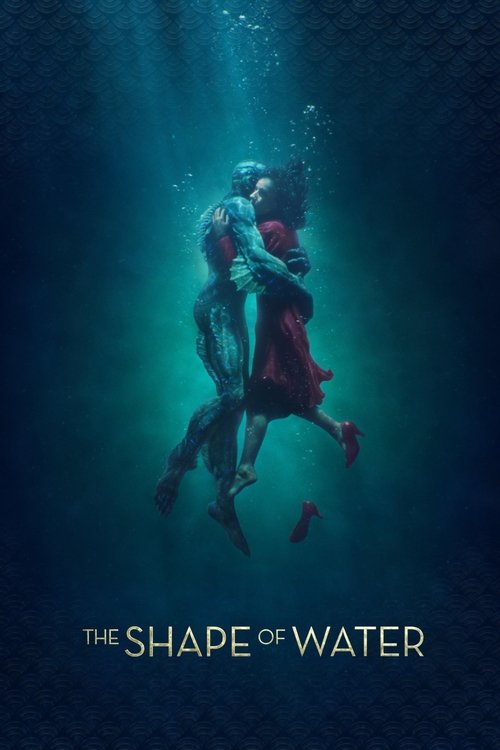
Watching 'The Shape of Water' feels like stepping into a meticulously crafted dream. Guillermo del Toro delivers a visually rich fairy tale that unfolds in a unique yet familiar world.
Enchanting but Uneven
'The Shape of Water' succeeds in creating a visually enchanting world and a heartfelt story, even if it occasionally falters in pacing and character development. It makes for a unique viewing experience that combines romance, fantasy, and social commentary.
Film DNA
The film scores well on visual impact and originality, but its pacing and emotional weight might not appeal to everyone. Overall, it's a compelling mix.
Pros
- Stunning visuals and production design
- Emotionally resonant performances
Cons
- Pacing can be slow at times
- Some characters feel underdeveloped
Artful Yet Niche Appeal
'The Shape of Water' is likely to resonate with fans of romantic fantasy and those who appreciate del Toro’s unique storytelling style. Viewers who enjoy visually stunning films with layered narratives will find much to admire. However, those looking for fast-paced action or conventional storytelling might feel alienated by its slower rhythm and thematic depth, making it less appealing for a mainstream audience. It’s best suited for a more art-inclined viewer looking for a thought-provoking cinematic experience.
A Love Beyond Words
Set against the backdrop of 1962 Cold War America, 'The Shape of Water' tells the story of Elisa Esposito, a mute janitor who finds love in the unlikeliest of places. Working in a secret government laboratory, she discovers an amphibious man who is being held captive. As Elisa forms a deep connection with him, she hatches a plan to free him from his oppressors. The film combines elements of fantasy and romance, creating a distinct narrative about love, acceptance, and defiance in a society that shuns the unconventional.
Standout Performances
Sally Hawkins delivers a touching performance as Elisa, effectively conveying her emotions without spoken words. Her chemistry with Doug Jones, who plays the Amphibian Man, is pivotal, bringing a sense of depth and beauty to their unique love story. Michael Shannon's portrayal of the antagonist, Richard Strickland, is intense and menacing, though at times it feels somewhat one-dimensional compared to the more nuanced characters. Richard Jenkins as Giles and Octavia Spencer as Zelda provide solid supporting performances, contributing to the film’s engaging dynamics, though their characters could have been explored further.
Visuals That Dazzle
Guillermo del Toro's direction shines with his signature blend of dark whimsy and visual storytelling. The film is beautifully shot, making use of contrasting tones that evoke both the magical and the oppressive atmosphere of the era. The production design is particularly noteworthy, as it brings the underwater world to life while grounding the narrative in a tangible, shadowy reality. However, some may find the pacing slow at times, which can disrupt the overall flow despite the visual splendor.
A Blend of Wonder and Melancholy
The film evokes a mixture of wonder and melancholy as it explores themes of isolation and connection. The atmosphere is one of quiet yearning, making the romance between Elisa and the Amphibian Man feel both extraordinary and relatable. Moments of levity offered by supporting characters add a balance to the more somber themes of love and sacrifice. Although the film has a dreamlike quality, it can sometimes leave viewers feeling emotionally distanced due to its stylistic choices, making it feel less accessible for some audiences.
Watch if you liked: Pan's Labyrinth, Amélie






No comments yet. Be the first to share your thoughts!