Genres
Movie Overview & Analysis
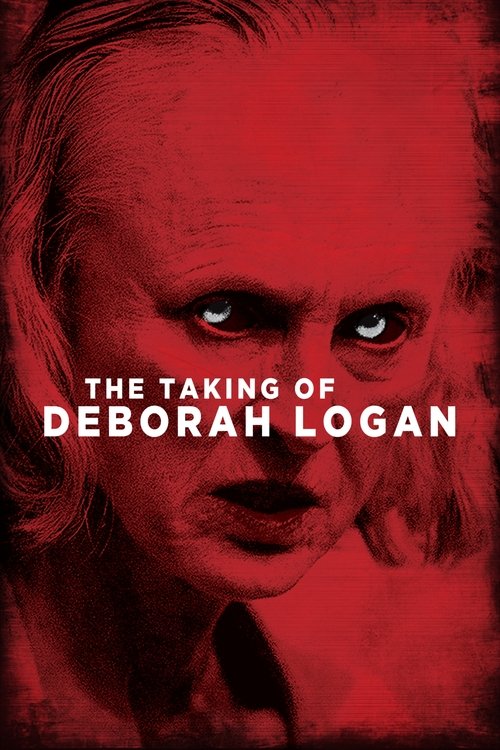
As an unconventional horror film, 'The Taking of Deborah Logan' presents a unique twist on the found footage genre. The film's exploration of dementia adds a chilling layer that makes it stand out, but it doesn't escape some common pitfalls of the genre.
A Unique Horror Film Experience
Overall, 'The Taking of Deborah Logan' presents a fresh take on horror by merging a personal story with supernatural elements. While it has its flaws, particularly in pacing and character depth, the performances and unique premise make it a noteworthy watch for horror fans.
Film DNA
The scores reflect a film that has meaningful emotional weight and originality, but faces challenges with pacing and visual consistency. While it offers a unique perspective, its rewatchability may be limited.
Pros
- Strong performances, particularly from Jill Larson
- Unique blend of personal story and horror elements
Cons
- Pacing issues at times
- Underdeveloped supporting characters
Target Audience Insights
This film may appeal to those who enjoy psychological horror interwoven with real-life struggles. Fans of found footage films and supernatural thriller enthusiasts will likely find something to appreciate here. However, viewers seeking a straightforward horror experience may want to skip it, as the documentary style and slower pacing might not cater to those looking for constant thrills. Additionally, those sensitive to topics surrounding mental health may find the film unsettling.
A Tale of Dementia and Horror
The film begins as a documentary focused on Deborah Logan, an elderly woman battling Alzheimer's disease, and her daughter Sarah, who is struggling to care for her. As the documentary crew captures their daily lives, they soon find themselves facing unsettling occurrences that hint at something far more sinister beneath the surface. What started as a heartfelt exploration of dementia takes a darker turn as supernatural elements come into play, blurring the line between reality and madness. The film evolves into a frantic fight for sanity, making viewers question the nature of the horrors that plague both Deborah and her family.
Performances with Real Stakes
Jill Larson delivers a haunting performance as Deborah Logan, embodying the terrifying transformation that dementia brings. Her portrayal is both heartbreaking and chilling, making her character's descent into fear palpable. Anne Ramsay as Sarah provides a solid counterbalance, showcasing the emotional toll of caregiving. However, some supporting characters, like Mia and Harris, feel underdeveloped and serve more as plot devices than as fully fleshed-out individuals. This lack of depth can detract from the overall emotional weight of the film, though the leads hold it together.
Cinematography with Uneven Focus
Director Adam Robitel employs a found footage style that feels both intimate and claustrophobic, effectively immersing the audience in Deborah's deteriorating world. The cinematography often leans into dark, shadowy corners, enhancing the unsettling atmosphere. However, the film occasionally suffers from shaky camera work that can be disorienting and detracts from key moments. While the visual choices effectively contribute to the horror elements, a more stable approach might have allowed the tension to build more organically.
A Heavy Yet Uneasy Experience
Watching 'The Taking of Deborah Logan' evokes a mix of emotions, from empathy for the struggles of caregivers to unease at the unfolding horrors. The film's heavy themes surrounding dementia are both relatable and discomforting, providing a thought-provoking experience. The emotional impact is heightened by the raw performances, especially during crucial scenes that examine the fragility of the mind. However, the shift from a heartfelt narrative to a more traditional horror setup can feel jarring, potentially leaving some viewers disconnected from the characters' emotional journeys.
Watch if you liked: The Taking of Pelham 123, A Quiet Place



No comments yet. Be the first to share your thoughts!