Genres
Movie Overview & Analysis
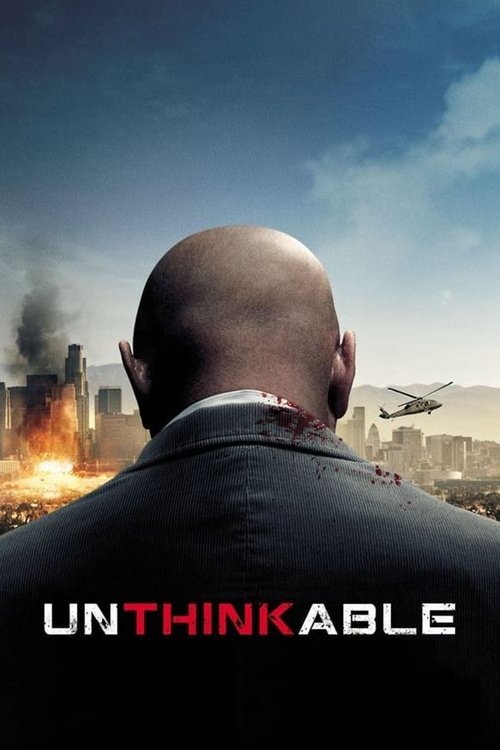
Unthinkable presents a tense scenario where moral dilemmas loom large. The film's exploration of ethics in crisis situations is both engaging and unsettling, leaving viewers to ponder their own responses.
A Complex Thriller Experience
Unthinkable offers a thought-provoking look at the lengths people will go to in the name of safety, backed by solid performances and a strong premise. While it may not be for everyone due to its slower pace and heavy themes, it succeeds in raising ethical questions that linger in your mind.
Film DNA
The radar scores reflect a film that excels in story depth and emotional weight, but may lag in visual impact and rewatchability. Overall, it offers a solid experience for those interested in its themes.
Pros
- Strong performances by Samuel L. Jackson and Michael Sheen
- Engaging moral dilemmas that provoke thought
Cons
- Pacing may feel uneven at times
- Some characters feel underdeveloped
Thought-Provoking Audience
Unthinkable is likely to appeal to viewers who enjoy psychological thrillers that provoke thought and discussion. Fans of intense moral dilemmas and ethical quandaries will find much to ponder within its narrative structure. However, those seeking light entertainment or fast-paced action may want to skip it, as the film's pacing can be slow, with a strong focus on dialogue and character interaction over action. If you appreciate films that take their time to explore serious themes and psychological tension, this film may resonate with you.
High Stakes and Tough Choices
In Unthinkable, the clock is ticking as a government team works against the odds to locate three hidden nuclear bombs that threaten America. The film centers on seasoned interrogator Henry 'H' Humphries, portrayed by Samuel L. Jackson, who is tasked with extracting critical information from Steven Arthur Younger, played by Michael Sheen. As the tension escalates, the film delves into intense moral questions regarding torture and the lengths to which individuals will go to protect their country. Agent Helen Brody, portrayed by Carrie-Anne Moss, adds another layer to the story, serving as a voice of reason amidst the chaos. With the stakes incredibly high, the narrative forces characters to confront their motivations and ethics in a dire scenario.
Strong Performances, Mixed Depth
The performances in Unthinkable succeed in elevating the material, particularly Samuel L. Jackson's portrayal of H, who brings a commanding presence to his role. His emotional range is impressive, capturing both determination and the heavy burden of his choices. Michael Sheen's character, Younger, is equally compelling, portraying the internal struggle of a man caught in a horrific situation. Carrie-Anne Moss holds her own as Agent Brody but feels somewhat underutilized in a role that could have benefited from deeper exploration. Other supporting characters like Charles Thompson, played by Stephen Root, provide a solid foundation, but their arcs remain somewhat simplistic, leaving room for further development.
Realism Meets Tension
Gregor Jordan's direction in Unthinkable leans towards a gritty realism, effectively setting a tense atmosphere that complements the narrative's urgency. The visual choices often employ close-ups, creating an intimate feeling that draws viewers into the characters' emotional states. The dark color palette and shadowy lighting choices reflect the film's serious themes and the moral ambiguities at play. However, some viewers may find the pacing uneven, as certain scenes stretch on, possibly losing momentum. Overall, while the visuals support the film's tone, they sometimes lack the dynamic quality that would elevate the experience further.
Heavy Themes to Contemplate
Watching Unthinkable elicits a heavy emotional response as it forces you to confront uncomfortable truths about morality and sacrifice. The intensity of the interrogation scenes is palpable, leading to a lingering unease that sticks with you long after the credits roll. There's a sense of dread and urgency that permeates the film, making it hard to detach from the dire stakes at play. While some viewers might appreciate the philosophical discussions on ethics, others may find the weight of the subject matter overwhelming. It’s a film that challenges your comfort zone, making you question your own beliefs in the face of national security.
Watch if you liked: The Last House on the Left, Prisoners









No comments yet. Be the first to share your thoughts!