Genres
Movie Overview & Analysis
Carrie presents a familiar tale of alienation and revenge through the lens of a teenage girl with extraordinary abilities. While it nods to Stephen King's classic, it occasionally struggles to find its own footing.
A Familiar Yet Flawed Retelling
Carrie offers a familiar yet engaging retelling of a classic horror story. While it has its strengths, particularly in performances, it stumbles in places, leaving some viewers wanting more depth and originality.
Film DNA
The scores suggest that while Carrie has solid emotional weight and entertainment value, its originality and visual impact leave room for improvement.
Pros
- Strong performances by the lead cast
- Engaging themes of bullying and revenge
Cons
- Predictable plot progression
- Underutilized supporting characters
Who Will Enjoy It?
Carrie may appeal to fans of horror and drama alike, especially those who appreciate stories about the consequences of bullying and revenge. Viewers seeking a horror film with a deeper message will likely find some value here. However, those looking for a fresh take or a unique horror experience might find it lacking, as it closely follows its source material. Additionally, viewers sensitive to themes of bullying and religious fanaticism may want to brace themselves for heavier moments.
Carrie's Painful Journey
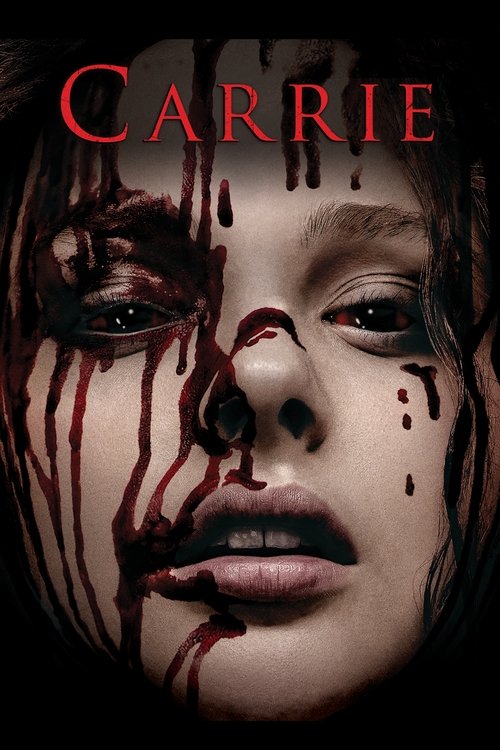
In this adaptation of Stephen King's novel, Carrie White (Chloë Grace Moretz) is a socially awkward high school girl with telekinetic powers. Abused at home by her overbearing, religious mother Margaret (Julianne Moore) and bullied by her peers, Carrie often feels trapped and powerless. The plot escalates as she finally experiences a sense of normalcy when invited to prom by Tommy Ross (Ansel Elgort). However, the night takes a disastrous turn due to a cruel prank, unleashing Carrie's pent-up rage and powers. The film explores themes of bullying, revenge, and the impact of parental influence, ultimately leading to a tragic conclusion.
Performances That Stand Out
Chloë Grace Moretz delivers a solid performance as Carrie, capturing her vulnerability and rage effectively. Julianne Moore's portrayal of the fanatically religious mother is intense, but at times, it borders on over-the-top. Ansel Elgort as Tommy provides a nice contrast to Carrie's struggles and is somewhat underutilized in the grand scheme of the story. The supporting cast, including Judy Greer as Miss Desjardin, adds depth but often fades into the background, missing opportunities for further development.
A Simple Directing Style
Director Kimberly Peirce opts for a straightforward approach, focusing on character-driven storytelling rather than stylistic flourishes. The cinematography is clean, with some effective use of lighting to emphasize the emotional tone, particularly during key moments of Carrie's transformation. However, the film could have benefitted from a more distinct visual palette to enhance its horror elements. The pacing feels uneven at times, with the buildup to the climax occasionally dragging, detracting from the overall tension.
Hits Hard, But Not Enough
Watching Carrie evokes a range of emotions, from empathy for the socially isolated girl to discomfort during scenes of bullying. The film's depiction of heartbreak and rage is palpable, particularly in the lead-up to the prom. However, the emotional payoff may feel somewhat diluted for viewers familiar with the original story. The film tries to strike a balance between horror and drama, but it occasionally gets lost in its own narrative, leaving the audience with mixed feelings about its impact.
Watch if you liked: The Craft, Prom Night





No comments yet. Be the first to share your thoughts!