Genres
Movie Overview & Analysis
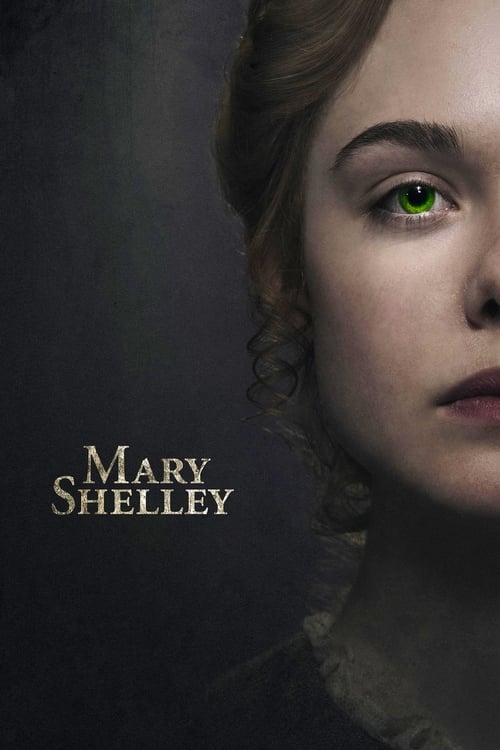
Mary Shelley offers a glimpse into the turbulent life of the famed author behind Frankenstein. With a focus on her romance with Percy Bysshe Shelley, the film paints a portrait of creativity and heartache.
A Solid Look at Mary Shelley
Overall, Mary Shelley is a thoughtful portrayal of an iconic figure that offers intriguing insights, even if it has some pacing issues. While it may not resonate with everyone, it presents a solid exploration of love and creativity that many will appreciate.
Film DNA
The radar scores reflect a film that excels in originality and storytelling depth, yet may struggle with emotional weight and pacing, impacting its overall entertainment value.
Pros
- Strong performances, particularly from Elle Fanning and Douglas Booth
- Rich visual style that evokes the time period
Cons
- Pacing issues that can detract from emotional impact
- Some supporting characters feel underdeveloped
Ideal for Literary Fans
Mary Shelley will likely appeal to those interested in literary history, romance, and biographical dramas. Fans of classic literature and discussions on the lives of influential women in history may find it particularly captivating. However, viewers expecting a fast-paced narrative might be disappointed, as the film leans heavily into the slow-burning aspects of Mary’s life. For those who enjoy character-driven stories that are more reflective in nature, this may be a worthwhile watch, while others seeking action or high drama might want to skip it.
A Romantic Literary Journey
Set in the early 19th century, Mary Shelley follows the life of Mary Wollstonecraft Godwin (played by Elle Fanning) as she navigates her passionate relationship with poet Percy Bysshe Shelley (Douglas Booth). Mary faces societal pressures and family challenges as their bond deepens, helping to inspire her groundbreaking novel, Frankenstein. The film explores the dynamics of love, ambition, and the complexity of creation, with a backdrop of historical figures such as Lord Byron and Mary’s own tumultuous family history. It attempts to merge the personal with the literary context, revealing how her experiences shaped her legendary work.
Performances That Shine
Elle Fanning’s portrayal of Mary Shelley is a highlight, capturing her evolution from a passionate young woman to a determined author. Douglas Booth also delivers a strong performance as Percy, embodying the romantic yet troubled spirit of the poet. Bel Powley, as Claire Clairmont, adds depth to the narrative, though her character sometimes feels underdeveloped. Stephen Dillane (William Godwin) and Joanne Froggatt (Mary Jane Clairmont) provide solid support, but some characters, including Tom Sturridge as Lord Byron, appear briefly and miss the chance for deeper exploration, leaving audiences wanting more.
Visuals with Historical Flair
Directed by Haifaa al-Mansour, the film employs a delicate visual style that complements its historical setting. The cinematography captures the lush landscapes and moody interiors of early 19th-century England, creating a fitting backdrop for the narrative. Al-Mansour's approach balances intimate moments with broader societal themes, although some pacing issues arise in the second act. While the direction is generally competent, there are moments where tighter editing could have improved the flow, making some scenes feel drawn out instead of engaging.
A Reflective Emotional Experience
Watching Mary Shelley is a mix of emotional highs and lows. The film effectively conveys the intensity of Mary’s love and the pressures she faces, leading to moments of genuine heartache. However, the emotional impact is somewhat hampered by the film's pacing; some scenes linger longer than necessary, diluting their effectiveness. The atmosphere evokes a sense of nostalgia and contemplation, inviting viewers to reflect on both Mary’s struggles and her literary genius, yet it occasionally feels like it lacks momentum to fully draw audiences into its emotional depths.
Watch if you liked: Shirley, The Invisible Man





No comments yet. Be the first to share your thoughts!